
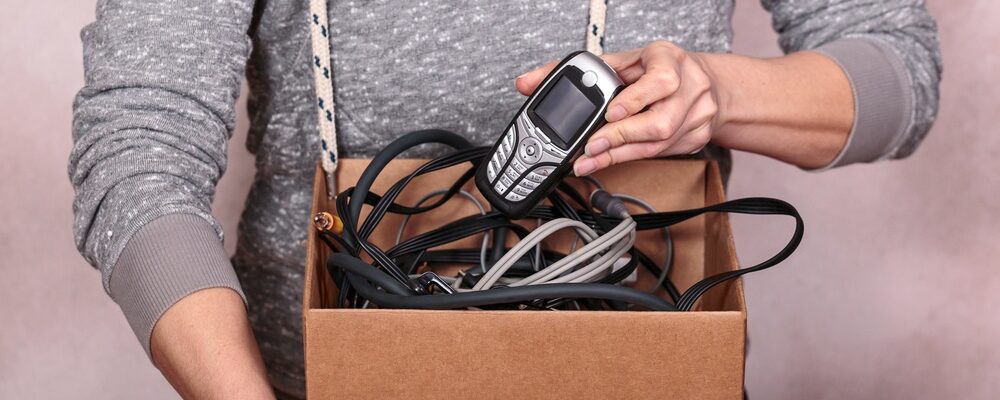
E-waste is short for electronic waste, and refers to any discarded product with a plug, battery or circuit board, from smartphones and laptops to refrigerators and air conditioners. Once these items are thrown away, they enter a waste stream. This is also known as Waste Electrical and Electronic Equipment, or WEEE, and you may sometimes see this term instead.
Why is it a problem
E-waste is the world’s fastest growing waste stream, and it is expanding far quicker than the systems built to recycle it. In 2022, the world generated 62 million tonnes of e-waste, an 82 percent jump from 34 million tonnes in 2010, yet only 22.3 percent of it was formally collected and recycled that year.
If left unmanaged, discarded electronics can leak hazardous substances such as mercury into soil and water, posing risks to both ecosystems and human health.
At the same time, e-waste holds real value: the raw materials inside it were worth an estimated 91 billion US dollars in 2022, though only a fraction of that was ever recovered through proper recycling.
How Japan tackles e-waste
Since April 2001, Japan’s Home Appliance Recycling Law has required manufacturers to take back and recycle four major appliance categories, which includes air conditioners, television sets, refrigerators and washing machines. Consumers cover the recycling fee, retailers handle collection, and manufacturers are responsible for processing the returned units.
2012’s Act on Promotion of Recycling of Small Waste Electrical and Electronic Equipment (2012) extended similar principles to smaller devices such as mobile phones, digital cameras and game consoles, with municipalities setting up dedicated collection boxes nationwide.
The latest information about e-waste in Japan
- 2026-07-07: Renet Japan expands e-waste recycling network to 771 municipalities
- 2026-06-14: NTT and Mitsubishi Materials launch NTT Circurust to track recycled metals
- 2025-10-11: Daiei Kankyo unveils world-first automated plant for e-waste sorting
- 2025-10-10: New partnership in Shizuoka to turn e-waste into jobs for disabled workers
- 2025-01-24: Survey insights on e-waste and repairability in Japan