Infrastructure tourism is travel built around facilities such as dams, bridges, harbours and historic sites. Visitors can see massive structures up close, enter places normally closed to the public, watch construction that is visible only for a limited time, and learn from guides why each facility was built.
Japan’s Ministry of Land, Infrastructure, Transport and Tourism (MLIT) sees infrastructure tourism as a way to deepen public understanding of infrastructure and draw visitors to nearby attractions, supporting local revitalisation. The government first promoted the idea in 2013, and a nationwide tour portal opened in January 2016. Tours are run either by facility managers or by private travel companies as paid packages.
Examples of infrastructure tourism in Japan
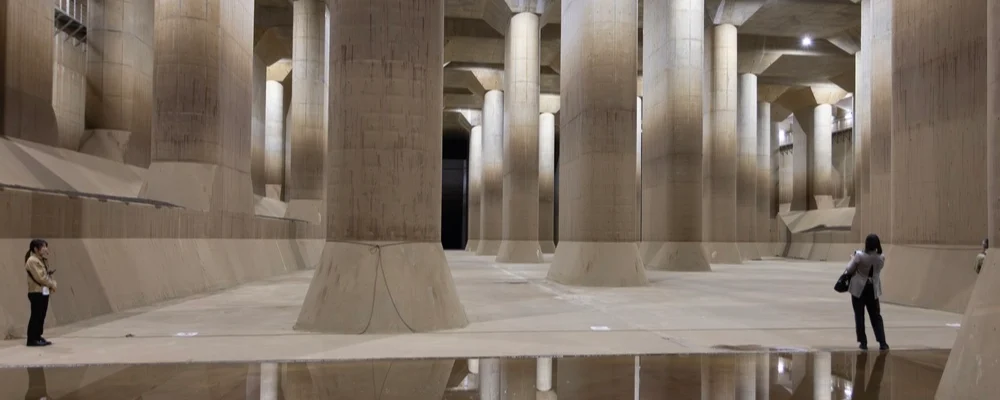
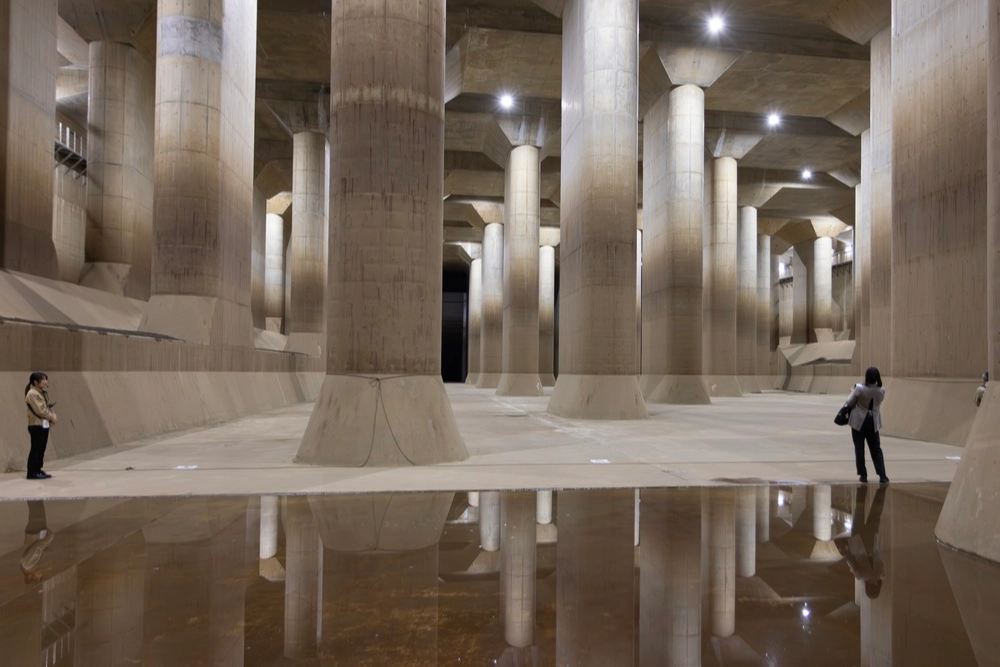
Metropolitan Area Outer Underground Discharge Channel in Saitama Prefecture is popular. You can see videos of this place going round social media from time to time, because of the rare view this place offers. This flood-control tunnel system in Kasukabe runs 50 metres underground and is among the world’s largest of its kind. Its vast pressure-adjusting tank is nicknamed the “underground temple”. A 2025 upgrade of its tours aims to help visitors treat disaster risk as their own concern.
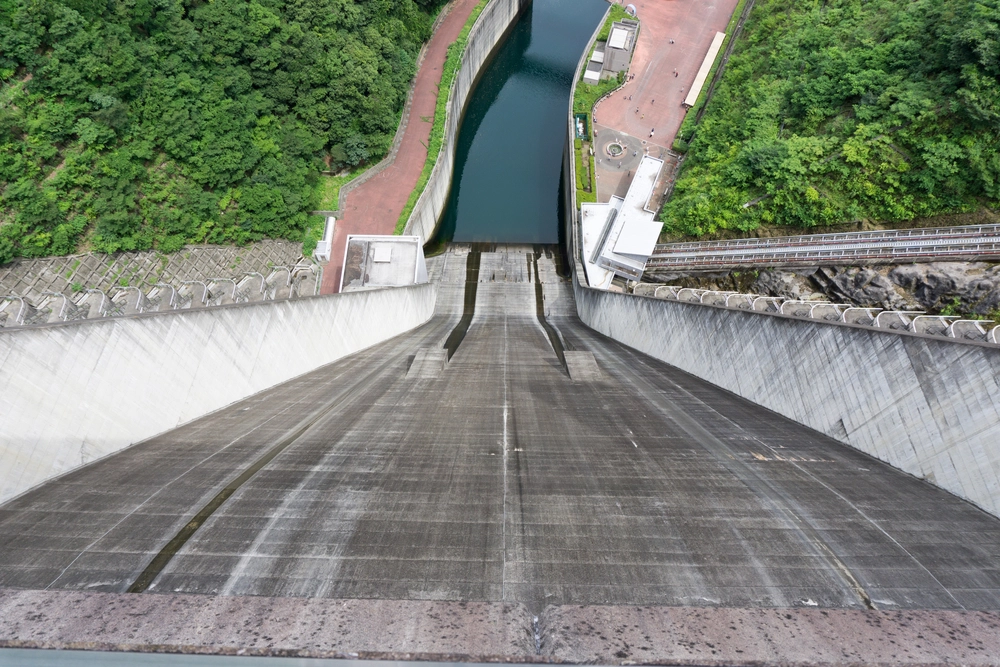
Dams are also popular destinations in Japan. For example, Gunma Prefecture’s Yamba Dam. Construction-site tours were offered before the dam was finished. It was completed in March 2020. The dam crest, a museum and an elevator to the base are open for free, unguided visits.
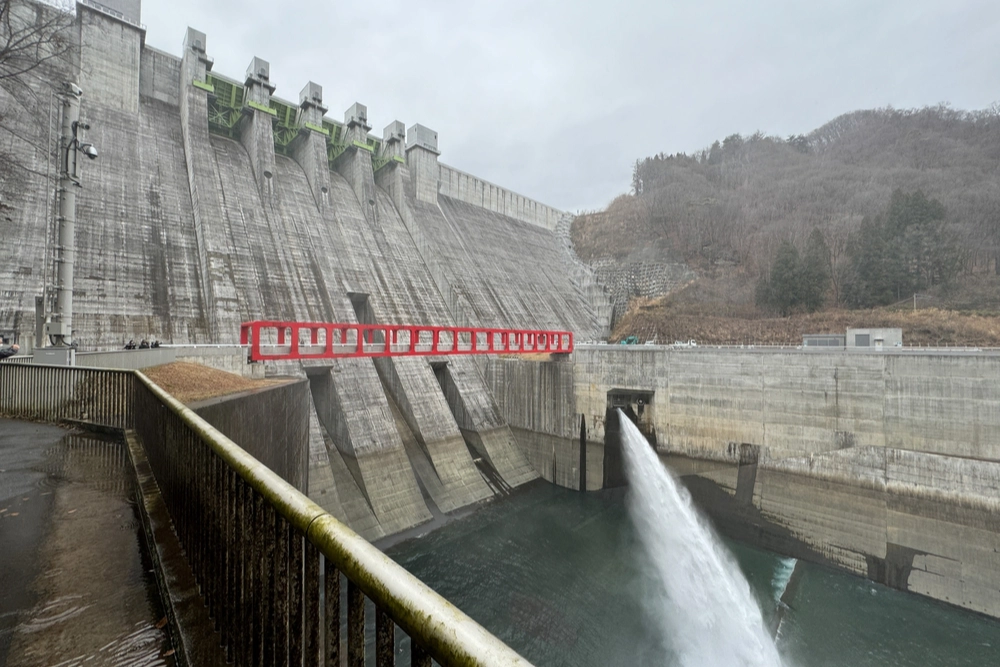
Another popular spot is the Miyagase Dam in Kanagawa Prefecture. The dam holds scheduled “tourist discharges” between April and November, which is unusual in Japan. The discharges drew more than 100,000 visitors in 2017.
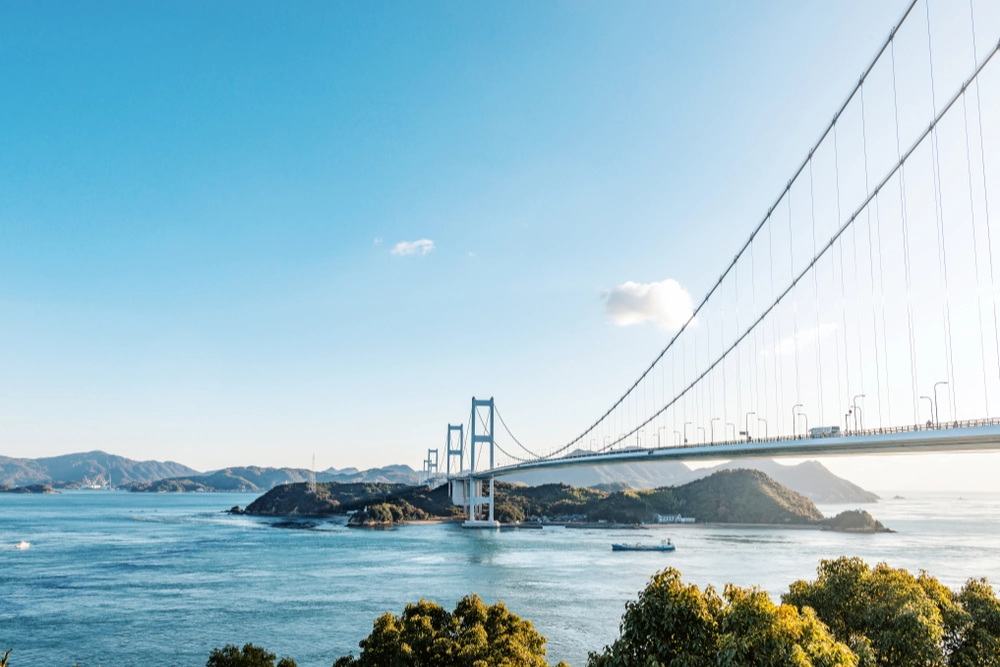
There many bridges with scenic views in Japan, so they are also often sought out for a visit. An example is Kurushima Kaikyo Bridge in Ehime Prefecture. MLIT named it one of five model districts in 2019, alongside Yamba Dam, for trial tours and wider regional circuits.