
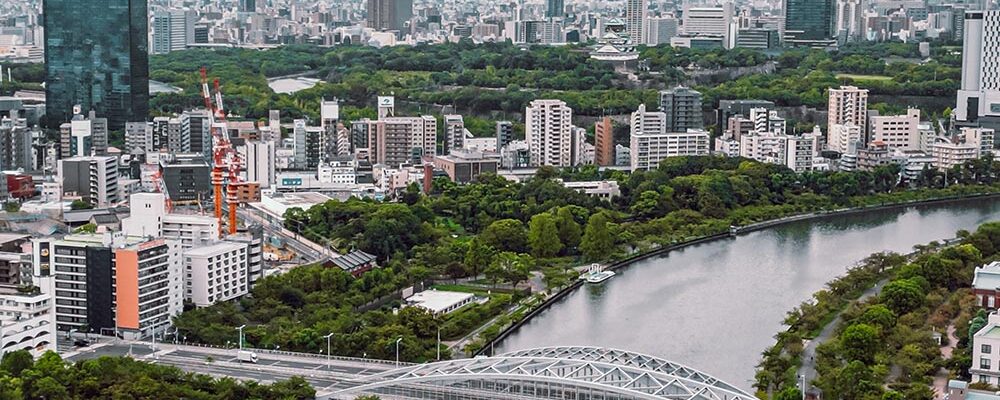
Japan’s SDGs Future City is a national initiative designed to select and support local governments that propose outstanding projects to achieve the United Nations’ Sustainable Development Goals (SDGs). The program was officially launched in 2018 by SDGs Promotion Headquarters as part strategy for regional revitalisation in Japan.
Cities selected as SDGs Future City serve as “model cases” for the rest of the country. It is a designated given to municipalities that demonstrate a high potential for achieving sustainable development by creating new value in terms of Economy (creating jobs and industrial growth), Society (tackling issues like aging populations, health, and education), and Environment (including decarbonisation and resource recycling).
Municipalities wishing to apply would submit detailed proposals to the Cabinet Office. They will then go through an evaluation process to see how feasible their proposals are, and how involved the stakeholders are (including businesses and citizens).
A committee of experts and government officials reviews the plans to see if they can realistically solve regional issues while aligning with the 17 global SDGs. Selected sities are deemed to have the most pioneering projects and receive direct financial subsidies to help jumpstart their implementation.
As of 2025, there are 215 cities (representing 216 municipalities designated as SDGs Future Cities.
[Reference] Regional Revitalisation Feature Site (Japanese)Glossary List
0~9
A
B
C
- Carbon Offset
- Circular Economy
- Circular Economy Commerce
- Circular Edonomy
- Closed-loop system
- Cradle to Cradle
D
E
F
- Fair trade
- J-Credit Scheme
- Food waste
- Forest bathing (Shinrin-yoku)
- FSC Certificate
- Furoshiki
- FutureCity initiative
G
H
I
J
K
L
M
O
P
R
S
- Sanpo Yoshi
- Satoumi
- Satoyama
- Satoyama Initiative
- SDGs (Sustainable Development Goals)
- SDG Compass
- SDG Future City
- SDG Global Indicators
- Sharing Economy
- Shimatsu no kokoro
- Shinto
- Shojin Ryori
- Shokunin
- Shokuyojo
- Society 5.0
- Sushi
- Sustainable Aviation Fuel