
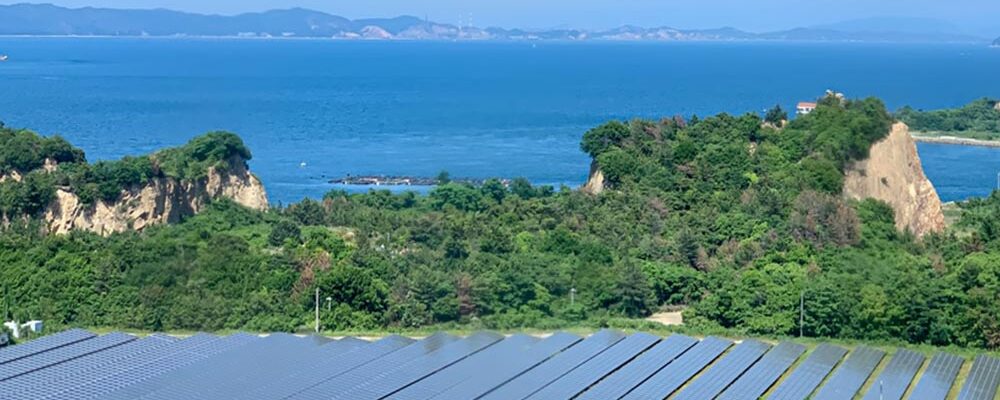
The J-Credit Scheme is Japan’s primary national carbon credit program. It is a carbon offset system where the Japanese government certifies the amount of greenhouse gas (GHG) emissions reduced or removed from the atmosphere as “credits” that can be bought and sold.
Under this scheme, activities that reduce CO2 emissions or increase CO2 absorption are quantified. The government verifies them, reductions are issued as J-Credits (measured in t-CO2), and purchased by large corporations and organizations that purchase these credits to “offset” their own emissions to meet sustainability goals, CSR targets, or carbon-neutrality pledges. J-Credits are sold by small and medium-sized enterprises (SMEs), local governments, and forest owners who implement green projects.
The scheme is jointly managed and operated by Ministry of Economy, Trade and Industry (METI), Ministry of the Environment (MOE), Ministry of Agriculture, Forestry and Fisheries. They oversee the certification committee that approves methodologies and ensures the environmental integrity of the credits.
The J-Credit Scheme was officially launched in April 2013 to streamline its system, as it had two separate systems: the Domestic Credit Scheme (which was focused on industrial energy saving) and the J-VER Scheme (focused on forest sinks and voluntary offsets). The government merged them into the J-Credit Scheme to create a more user-friendl, and efficient market.
At the same time, it encourages businesses and local communities to take voluntary climate action. It provides a financial incentive for entities to invest in low-carbon technology, especially in many small businesses and forest owners lack the capital to invest in green technology.
Glossary List
0~9
A
B
C
- Carbon Offset
- Circular Economy
- Circular Economy Commerce
- Circular Edonomy
- Closed-loop system
- Cradle to Cradle
D
E
F
- Fair trade
- J-Credit Scheme
- Food waste
- Forest bathing (Shinrin-yoku)
- FSC Certificate
- Furoshiki
- FutureCity initiative
G
H
I
J
K
L
M
O
P
R
S
- Sanpo Yoshi
- Satoumi
- Satoyama
- Satoyama Initiative
- SDGs (Sustainable Development Goals)
- SDG Compass
- SDG Future City
- SDG Global Indicators
- Sharing Economy
- Shimatsu no kokoro
- Shinto
- Shojin Ryori
- Shokunin
- Shokuyojo
- Society 5.0
- Sushi
- Sustainable Aviation Fuel