
Many will be familiar with kaizen as a philosophy of business efficiency and continuous improvement, the idea being: small, consistent changes can lead to long-term progress.
This Japanese word is a compound of two other terms, kai (meaning change) and zen (meaning for good). It gained global fame when the Toyota Production System gained popularity, which also included the concepts for “Just-in-Time” (elimination of waste) and “Jidoka” (seeking quality in process).
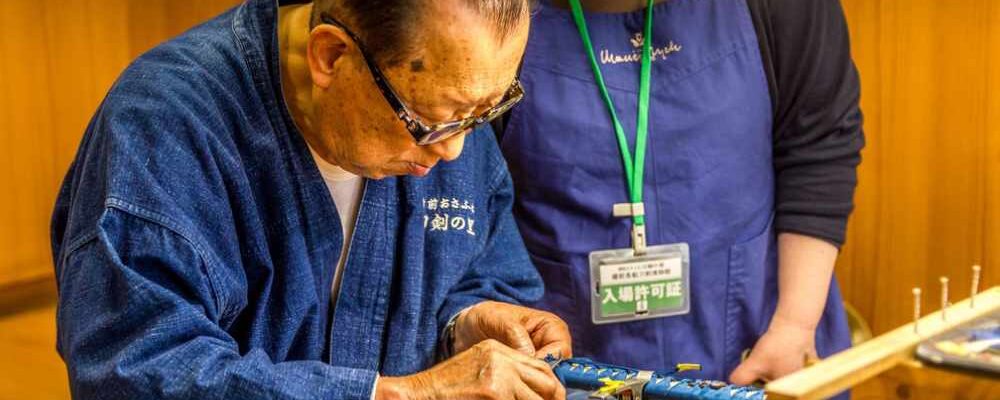
However, the term is not just used in business context. Kaizen is a common concept even in daily lives, and to seek continuous improvement in whatever we do is applaudable. It is a self-improvement mindset that we can find in aspects like healthcare, organising local festivals, and creative work. Perhaps one of the oldest examples of kaizen is in traditional Japanese crafts, where craftspeople and artisans perfect their skills throughout the years.
Kaizen is also particularly important for sustainability, because it makes us think of sustainability as an ongoing process instead of a goal. For example, a business having removed single-use plastics from its operations do not stop there and feel satisfied. Instead, they will continue to look for other aspects to improve, which can be shifting towards renewable energy, or creating a closed system where disused materials are upcycled.
Therefore, there is no need to seek perfection, especially for anyone looking to take the first step for sustainability, ethical lifestyle, circularity etc. Small, consistent improvements to our efforts can lead to big, significant changes. As such, kaizen complements the concept of zero waste well.
Glossary List
0~9
A
B
C
- Carbon Offset
- Circular Economy
- Circular Economy Commerce
- Circular Edonomy
- Closed-loop system
- Cradle to Cradle
D
E
F
- Fair trade
- J-Credit Scheme
- Food waste
- Forest bathing (Shinrin-yoku)
- FSC Certificate
- Furoshiki
- FutureCity initiative
G
H
I
J
K
L
M
O
P
R
S
- Sanpo Yoshi
- Satoumi
- Satoyama
- Satoyama Initiative
- SDGs (Sustainable Development Goals)
- SDG Compass
- SDG Future City
- SDG Global Indicators
- Sharing Economy
- Shimatsu no kokoro
- Shinto
- Shojin Ryori
- Shokunin
- Shokuyojo
- Society 5.0
- Sushi
- Sustainable Aviation Fuel