 Zenbird Editorial Team
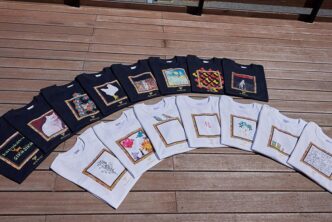
Nestled in Gowa Town, Amakusa City, a company named Circulife is ushering in a new era of sustainable fashion. They’ve unveiled a revolutionary dyeing method that’s not only environmentally-friendly but also aligns with the concept of circular economy — the world’s first inkjet plant-based dyeing technology.
Traditionally, the dyeing industry, heavily reliant on chemical solutions and high thermal energy, has been a significant contributor to environmental degradation. Processes would often demand conditions like maintaining 80°C for 30 minutes, leading to an immense carbon footprint and producing a vast amount of wastewater.
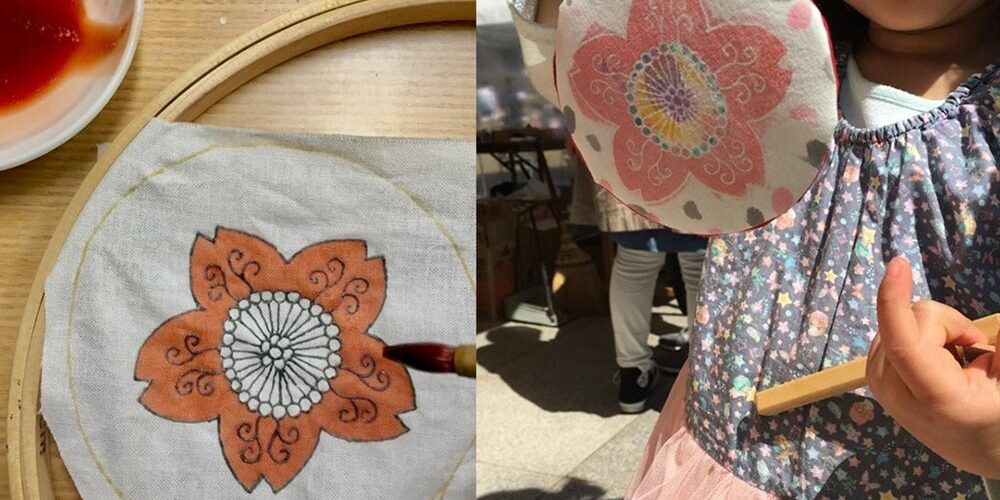
Circulife’s groundbreaking approach stands in stark contrast. Their inkjet method uses plant-based dyes capable of coloring materials at 25°C within just 15 seconds, with the most impressive feature being the zero dyeing wastewater output.
While inkjet dyeing technology, known for producing negligible wastewater, has been gaining traction among companies, they’ve predominantly used chemical dyes. Circulife’s innovation lies in marrying this technique with natural dyes. This union surmounts previous challenges like high costs, low productivity, and limited design versatility that often stymied the scalability of plant-based dyeing.
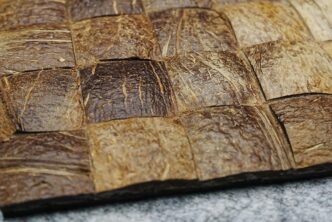
This leap towards sustainability doesn’t stop at dyeing. The company is also pushing the boundaries with “wood thread” or “Mokuito.” Sourced from thinning timber, often left untouched in forest maintenance, this material is transformed into threads. The move not only gives a second life to the timber but also paves the way for a potential resurgence in local forestry, giving a nod to circularity principles.
Collaborative efforts are also in full swing. Circulife has joined hands with the Koguni Forest Union, aiming to roll out products derived from Koguni cedar, further emphasizing the importance of sustainable and ethical material sourcing.
In an age where the fashion industry’s environmental toll is under scrutiny, Circulife’s endeavors present a beacon of hope. Their innovative methodologies, deeply rooted in sustainability and circularity, might just chart the course for others to follow, propelling the industry into a greener future.
[Website] Circulife HomepageMore on circular economy in Japan
- 2026-10-13: Satoyama initiative closes loop, converting food waste into fertiliser
- 2026-10-06: Meiji and TOPPAN begin paper yogurt cup recycling trial in Yokohama
- 2026-10-04: Tokyo selects three community projects to boost resource recovery
- 2026-10-01: Japan METI's Cicrular Economy Action Week begins today
- 2026-10-01: Seven-Eleven Japan begins reusing power units via remanufacturing