 Misato Noto
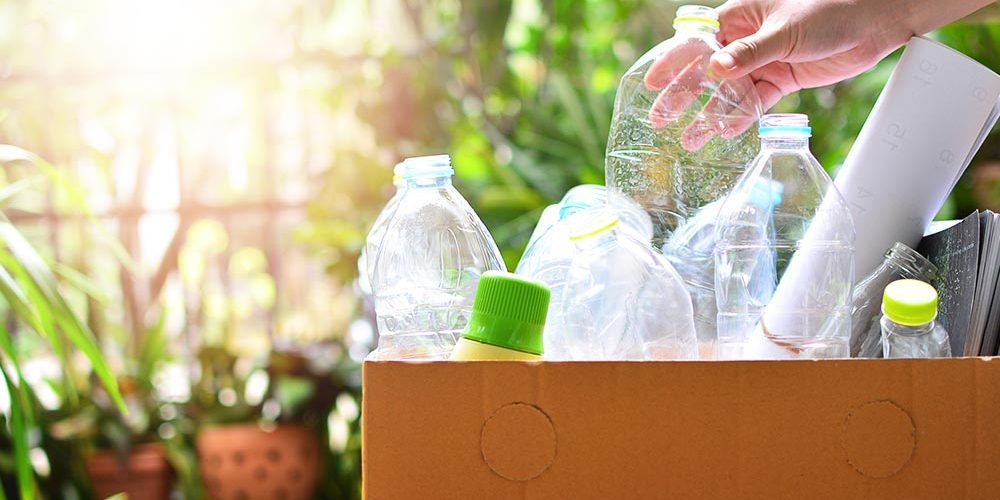
Recycling is one of the most beneficial waste management practices. It saves resources, energy and the environment while reducing landfill usage.
Take plastics, for instance, the versatile yet problematic material at the center of the global waste reduction movement. Plastics are made from fossil fuels such as coal, natural gas and crude oil, whose extraction can disrupt wildlife habitats. Moreover, air and water pollution generated from the processing of plastics involves chemical additives that could put human health at risk.
Recycling means using materials that have been used more than once, reducing the need to consume new resources. This also saves the energy required to make new products from scratch. If waste isn’t recycled, it means that it’ll be sent to landfill sites. Giving plastics another life delays the final disposal, after which it usually takes more than 400 years for them to degrade in landfills.
Read more about circular economy in Japan
- 2026-10-13: Satoyama initiative closes loop, converting food waste into fertiliser
- 2026-10-06: Meiji and TOPPAN begin paper yogurt cup recycling trial in Yokohama
- 2026-10-04: Tokyo selects three community projects to boost resource recovery
- 2026-10-01: Japan METI's Cicrular Economy Action Week begins today
- 2026-10-01: Seven-Eleven Japan begins reusing power units via remanufacturing