 Roger Ong
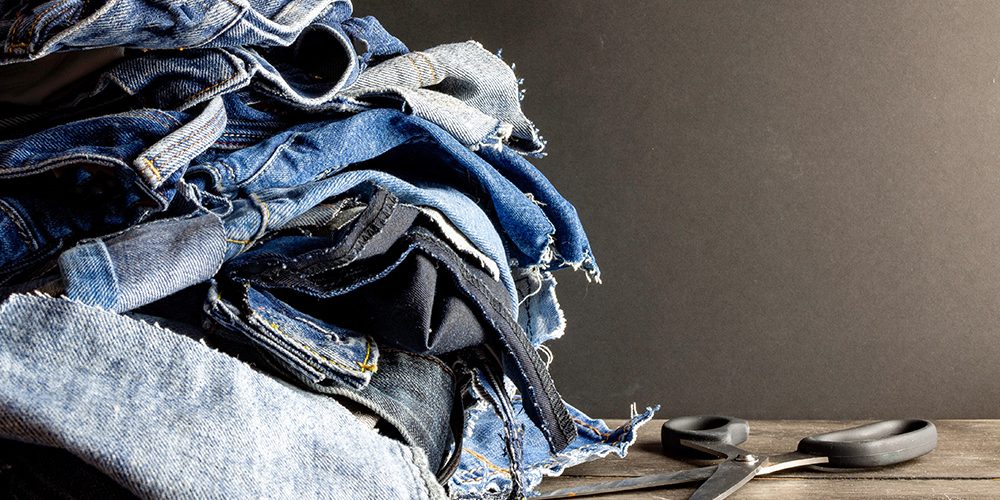
Both upcycling and reusing (secondhand) clothes have their place in reducing waste, taking us a step closer to zero waste and a circular economy. So we want to include both as better alternatives to discarding them as garbage.
If we have to say, we’d prefer secondhand clothing over upcycled clothing. A circular economy keeps all resources in the economy and keeps reusing the material. In that sense, we don’t need new resources to make new clothes but renew old resources. And one of the key concepts is to extend the lifespan of the clothing. The longer the clothes are used, the later we can delay in making new clothes. Upcycling would be our next step, when the life cycle of secondhand clothing ends, and upcycle into new clothes to begin a new life cycle.
Of course, it’s just an example because it isn’t always thread-to-thread. And sometimes we can’t reuse clothing, so we immediately look at upcycling, like upcycling textile shreds from clothing factories.
Did you know that there are also other ways other than upcycling and reusing too? (Like repair and dyeing!)
More about sustainable fashion here
- 2026-10-21: Nagase ChemteX develops resin that extends clothing lifespan
- 2026-08-19: Japan launches cross-ministry scheme to transform fashion circularity
- 2026-07-20: Survey: Young consumers now view sustainable fashion as stylish
- 2026-06-30: SEAL launches bag collection using upcycled Fujikura parachute fabric
- 2026-06-25: Discarded hotel clothing upcycled for inclusive fashion show in Gifu
- 2026-06-24: Transforming vintage textiles into everlasting upcycled roses