 Misato Noto
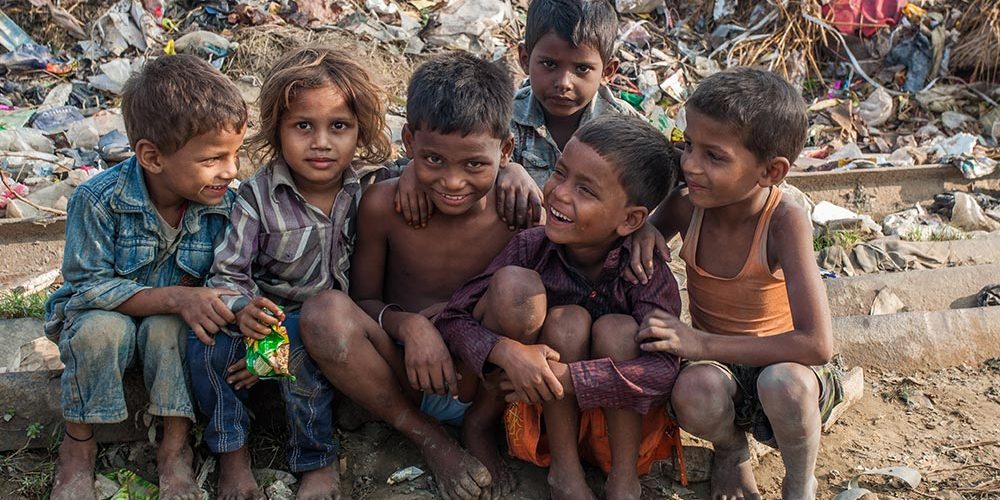
In emerging Asian countries, improving access to affordable housing in urban settings is a major concern. Slums often develop in cities with rapid rural-urban migration and tight housing supplies. As a result, in these informal settlements, dwellers live in unsafe, overcrowded, unhealthy homes with limited access to basic services.
The government of India is aiming to build 20 million affordable houses by March 2022. The country also envisions sourcing time-saving, durable and cost-effective technologies to achieve this goal in a way that is less harmful to the environment.
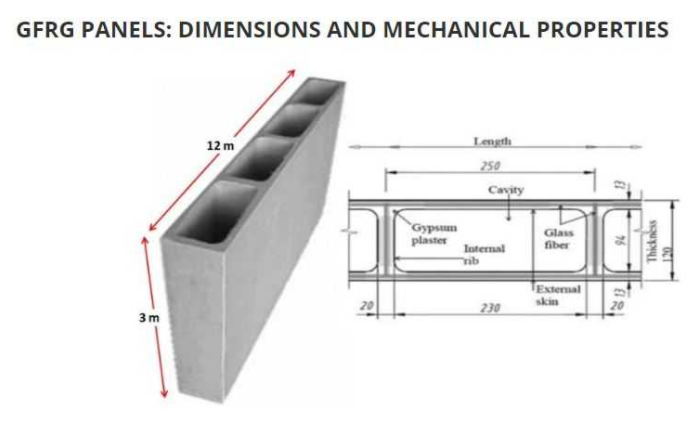
Glass Fiber Reinforced Gypsum is one such technology commonly used in India, manufactured from high-quality gypsum plaster and glass fiber. Owing to their strength and durability, GFRG panels can be used for both external and internal walls. It can also be cut to desired sizes for many elements of a building, including floors, roofs and sunshades. GFRG panels don’t require conventional raw materials such as steel, sand and cement, and they emit less CO2 than other building materials. Therefore, they make an ideal solution for eco-conscious construction.
Read more about circular economy in Japan
- 2026-10-26: Circular economy starts in cities: Asia-Pacific takes its first step from declaration to action [APCC 2026 Report]
- 2026-10-13: Satoyama initiative closes loop, converting food waste into fertiliser
- 2026-10-06: Meiji and TOPPAN begin paper yogurt cup recycling trial in Yokohama
- 2026-10-04: Tokyo selects three community projects to boost resource recovery
- 2026-10-01: Japan METI's Cicrular Economy Action Week begins today