 Zenbird Editorial Team
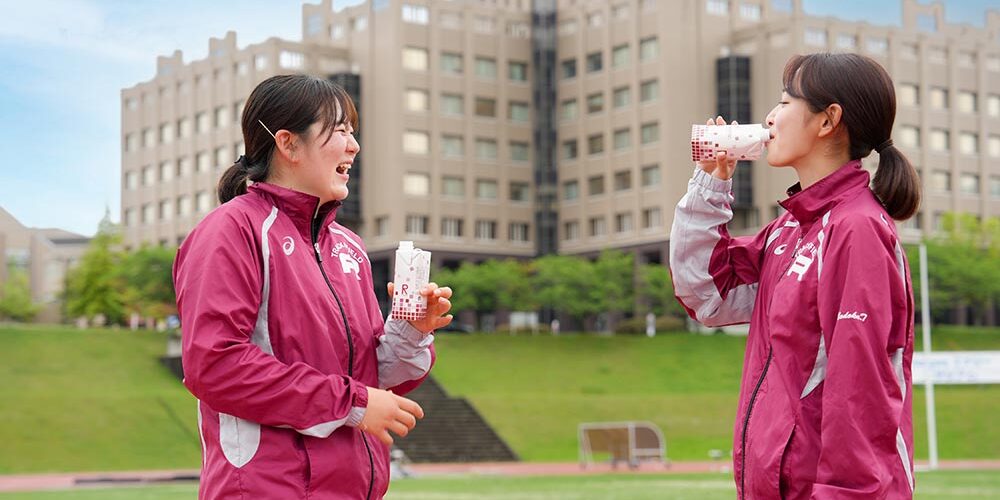
Ritsumeikan University has teamed up with Havarys to produce original design bottles, marking a significant step toward a circular economy. The initiative leverages Havaries’ advanced recycling ecosystem, where used containers are collected and recycled, contributing to a sustainable loop. Sourced from Kyoto’s water, the bottles are part of a supply chain optimized to cut CO2 emissions significantly.
The university, with a mission to achieve a carbon-neutral campus by 2030, the collaboration is expected to reduce CO2 emissions by 2.25 tons annually, alongside decreasing plastic waste. The bottle’s design, created by Kaho Kobara, a student in Ritsumeikan’s Environmental Urban Design Course, features the university’s tagline, “Futurize. Your will, our future,” and its symbol, “Square.” The design integrates themes of water and environmental sustainability. The bottles are set to be distributed widely through various campus events.
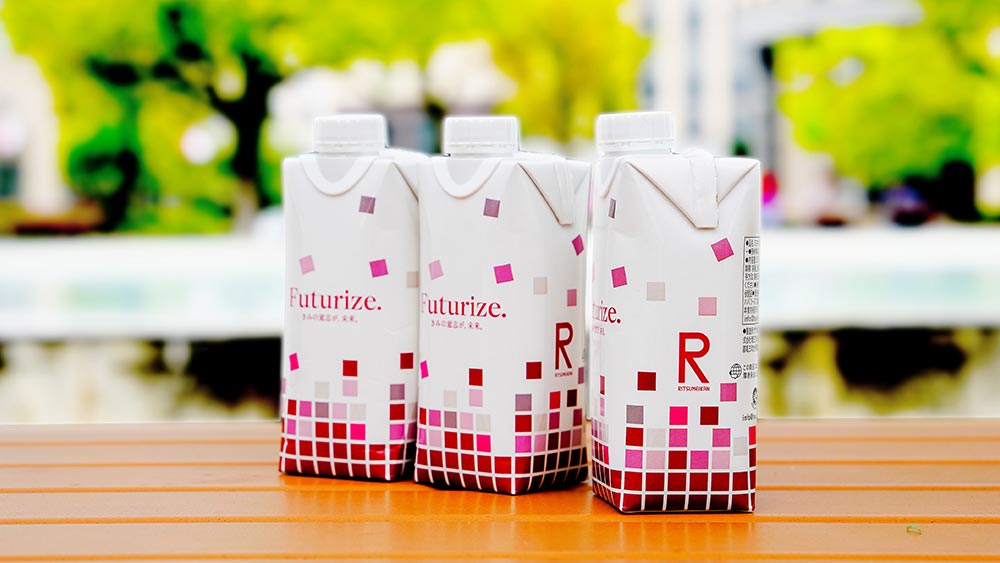
Founded in 2020, Havarys is a Kyoto-based social startup committed to a decarbonized and circular society. The company’s motto, “one bottle of water can change the world,” reflects its dedication to sustainability. The bottles use FSC-certified renewable materials and Bonsucro-certified sugarcane caps, ensuring responsible sourcing. These paper containers reduce CO2 emissions by over 46% compared to PET bottles and by over 59% compared to aluminum cans, according to LCA evaluations.
Havarys promotes comprehensive recycling actions, from material procurement to consumption, collection, and regeneration. On campus, used containers are collected and recycled into toilet paper at a zero-emission factory. Five 330ml bottles convert into one roll, reducing the carbon footprint by over 60% compared to virgin pulp products. The aluminum film is repurposed into construction fuel, and treated wastewater is returned to the sewage system, promoting a circular economy through visible paper resource recycling.
This partnership highlights both the potential for sustainable practices and sets a precedent for integrating environmental responsibility into everyday life.
“Sustainable City Guide: KYOTO” now on sale!
Zenbird, an online magazine sharing sustainable ideas and initiatives from Japan in English, is offering the Sustainable City Guide: KYOTO, packed with information for travelling sustainably.
Drawing on our extensive experience covering sustainable brands, we’ve curated a selection of Kyoto’s most sustainable hotels, restaurants, shops and more, all brought together in this one guidebook.
Whether you’re planning a trip to Japan and want the perfect travel companion, or simply wish to soak up the atmosphere and charm of Kyoto from afar, this guide is designed for you. Find out more and purchase your copy here!
More on new from Kyoto
- 2026-02-16: Kyoto brand SANS-SERIF upcycles British bus roll signs into two-way bags
- 2026-02-12: Kameoka City revolutionising farming on individual-level
- 2026-01-28: Mercure Kyoto Station earns Green Key first for Kyoto prefecture
- 2026-01-27: Kyoto Environmental Festival 2026 brings climate learning to the city
- 2026-01-06: Local wisdom in circular living from Kameoka’s cultural heritage (Tour report Part 2)