 Zenbird Editorial Team
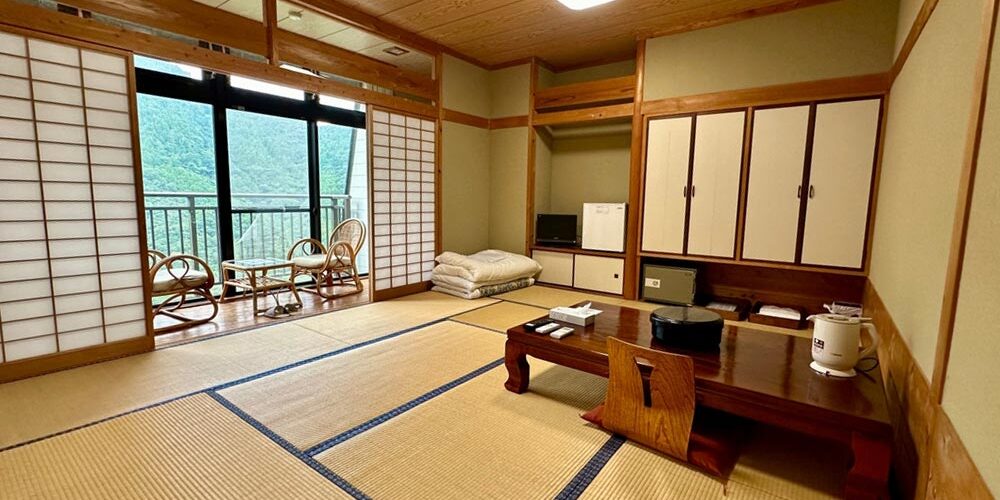
Japanese authorities have introduced a subsidy scheme to support sustainable upgrades in lodging facilities. The scheme provides financial assistance for hotels and traditional inns (ryokan) to implement energy-efficient improvements, reducing both their environmental impact and operating expenses.
The subsidy covers up to 50% of eligible expenses, with a maximum limit of 10 million yen per facility. Facilities can apply for funding for various upgrades such as energy-efficient air conditioning systems, high-performance boilers, double-glazed windows, solar power installations, water-saving toilets, and modern LED lighting systems.
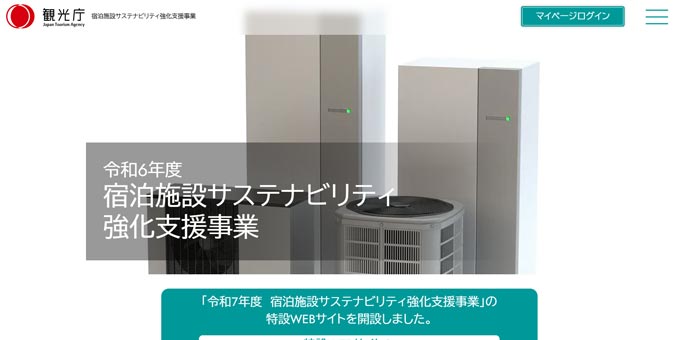
As global awareness of environmental issues grows, many travellers are prioritising sustainable accommodation. These subsidies will support sustainability-focused upgrades for accommodations, giving a boost for Japan’s hospitality sector’s appeal to environmentally conscious tourists. Lodging facilities that reduce their carbon footprint can attract new customers.
Rather than relying on regulations, the government has adopted a more collaborative approach. The subsidy programme encourages voluntary participation by making sustainable investments financially viable. It lowers long-term operational costs for facility owners.
Authorities believe that promoting energy efficiency will strengthen the resilience of the hospitality sector. Sustainable improvements contribute to long-term cost savings, operational stability, and enhanced guest satisfaction, eventually pushing the tourism industry to become more sustainable.
[Website] Japan Tourism Agency (Japanese)More on sustainable tourism in Japan
- 2026-02-27: Tokyu Hotels becomes first Japanese chain to join GSTC
- 2026-02-23: Sustainable tourism trends as 2025 numbers break records
- 2026-02-05: Winter in Agematsu: Nakasendo walk with legends and cypress craft
- 2026-01-29: Fukuoka's Ryokan Ohana wins award 2026 for inclusive heritage
- 2026-01-23: Sweetgrass campsite merges hospitality with sustianable values