 Circular Yokohama
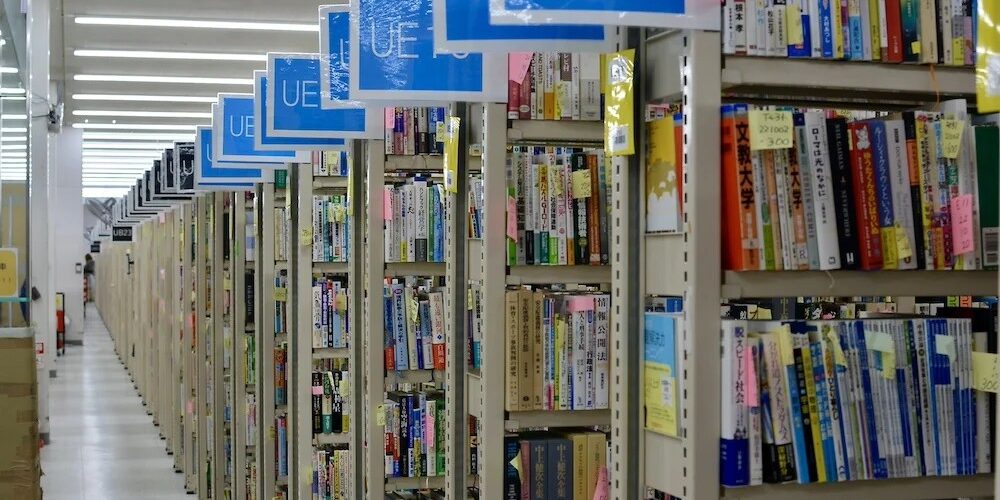
In an age where paperless and digital solutions are increasingly common, how many books are still in use within society? VALUE BOOKS Inc., founded in 2007 and officially certified as a B Corporation, is engaged in the purchase and sale of second-hand books. Its warehouse permanently holds approximately 1.5 million books, making it one of the largest online booksellers in Japan.
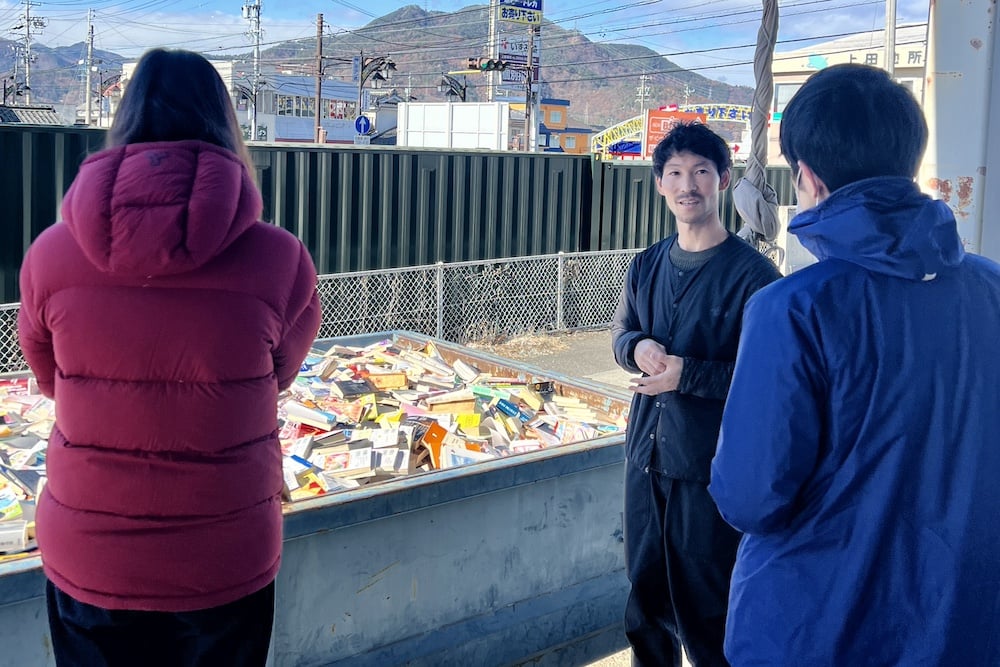
To learn more about how books are being circulated across society, we toured the facility in Ueda, Nagano Prefecture. We also spoke with Kazuyoshi Nakamura, the Vice President of VALUE BOOKS, who revealed to us the current state of the second-hand book market through the initiatives of VALUE BOOKS, “a company that is changing society with books”.
(This article was originally published by Circular Yokohama in 2023. Some information may have changed since then.)
30,000 Books a Day: How many find new life in the reuse market?
The business of buying and selling second-hand books contributes directly to the circulation of resources, delivering books that might have been thrown away or left unread on shelves to their next reader.
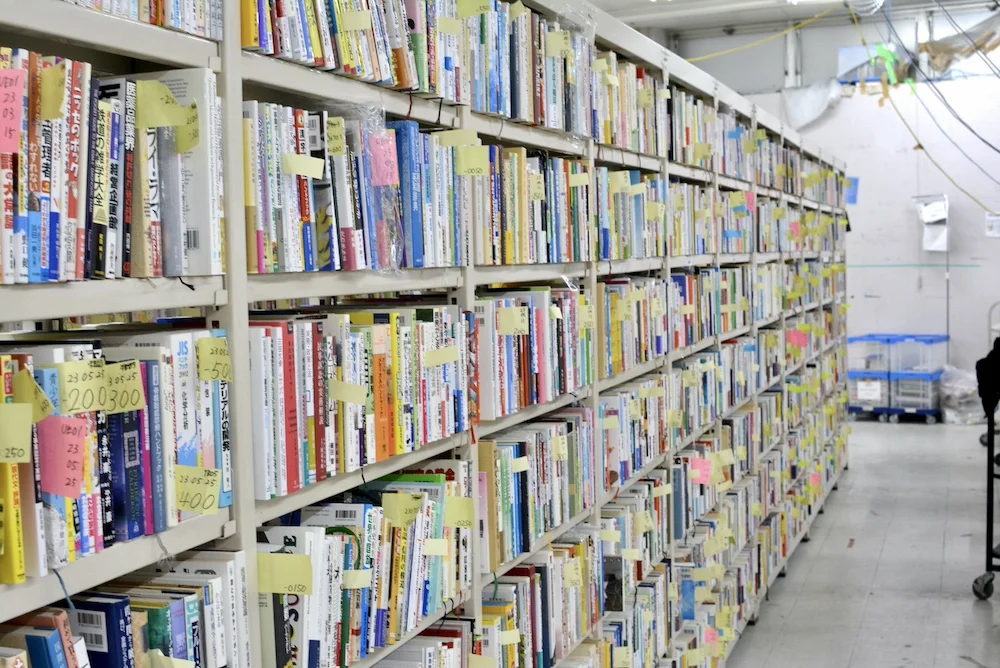
Nakamura: “Nearly 30,000 used books arrive at VALUE BOOKS from all over the country every day. About half of them, around 15,000, enter the reuse market as second-hand books.“
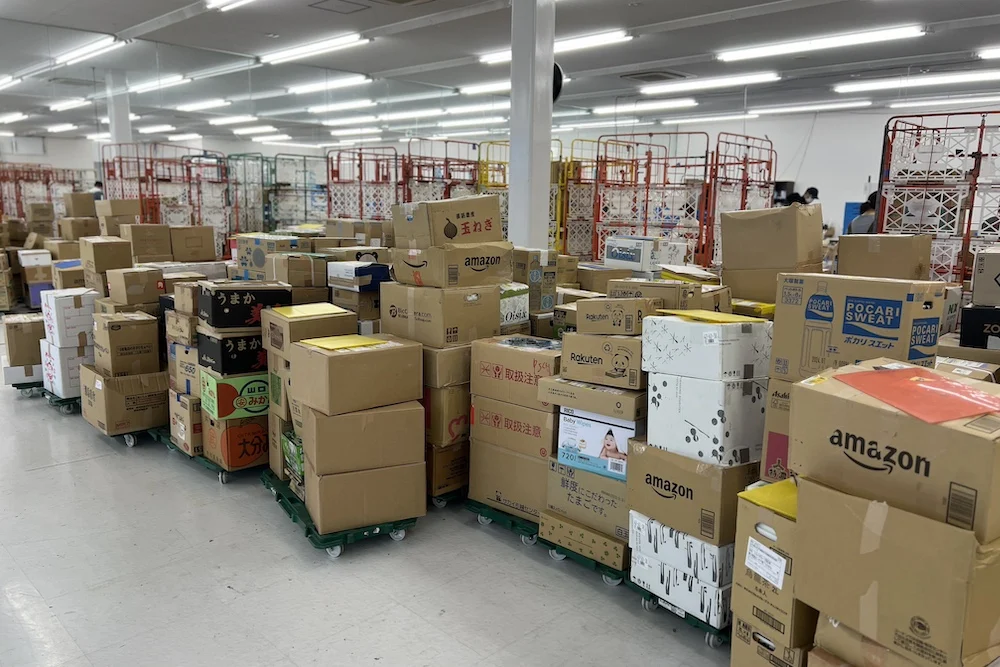
(Image: Circular Yokohama)
The majority of VALUE BOOKS’ market is on online platforms. In addition to direct sales through its own website, the company also lists books on e-commerce sites like Amazon and Rakuten.
(Image: Circular Yokohama)
Of the 30,000 books collected from across the country, only about half are resold on the reuse market. This raises the question of what happens to the remaining books.
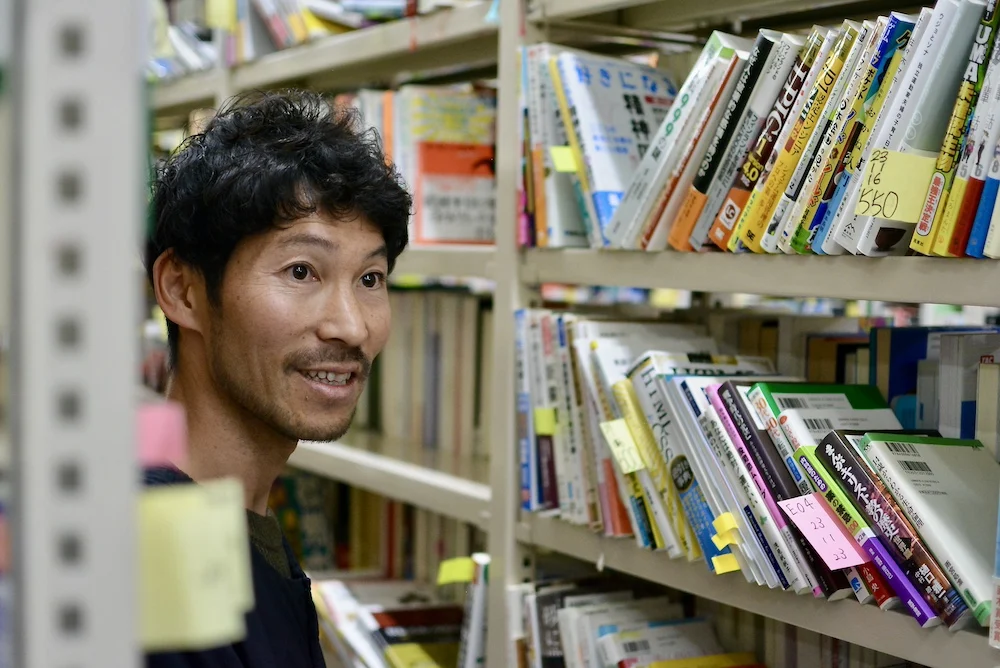
Nakamura: “The other half is difficult to place on a sales channel. When one hears of an ‘unsellable used book’, it’s easiest to imagine the reasons to be deterioration, such as markings, sun damage or tears.
“But in reality, the main reason many books are difficult to resell is not actually their condition, but the balance of supply and demand—that is, ensuring profitability amid fluctuations in market value.”
Nakamura: “Take a bestselling novel, for example. If a large number of new copies are distributed, a large volume will also flow into the second-hand market after a certain period. Our warehouse capacity is limited, so when supply greatly exceeds demand, it becomes difficult to price them for sale.”
In 2022, the average retail price for a paperback book was 711 yen. In the second-hand market, books tend to be sold at a lower price, and online sales also incur shipping costs. Considering that the advantage for consumers is the low price, it is clear why it is difficult for suppliers to ensure economic viability while differentiating from new books.
Some of the books that are difficult to resell are specialist or technical works not intended for a general audience, while many others are actually popular titles that have touched the hearts of numerous readers.
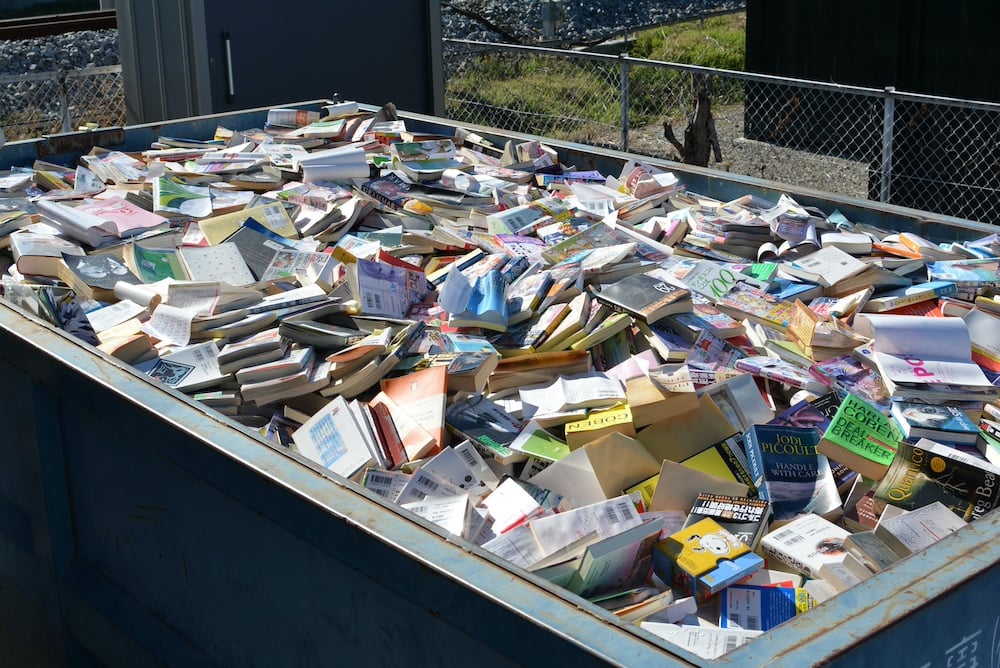
A book loses its value as a book for the sole reason that it “cannot be priced”, despite being in good condition. This could be described as one of the negative consequences of a society built on mass production and mass consumption.
Considering the destination for “unpriced books”
When books arrive at VALUE BOOKS, staff members inspect each one, price it and store it in the warehouse. When a book is ordered, a staff member picks it from the shelf, packages it and dispatches it. VALUE BOOKS currently employs about 300 people.
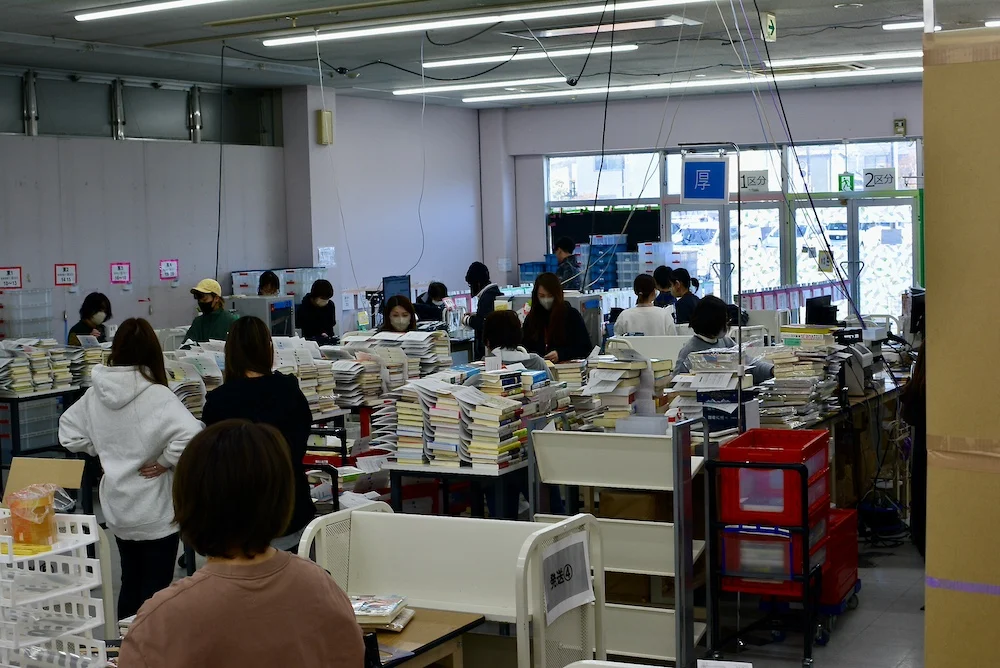
From a purely economic standpoint, it might be easier to simply get rid of books that cannot be priced, or in other words, books that will not sell. However, these are books that have been handled with care, one by one. They cannot be discarded so easily.
VALUE BOOKS participates in numerous projects that make use of these unpriced books, in line with its mission to create an environment where people in Japan and around the world can have open access to books for reading, learning, and enjoyment.
One of these projects is the “Book Gift Project”. Through the project, the company provides books free of charge to various places that need them, with a focus on nurseries and primary schools.
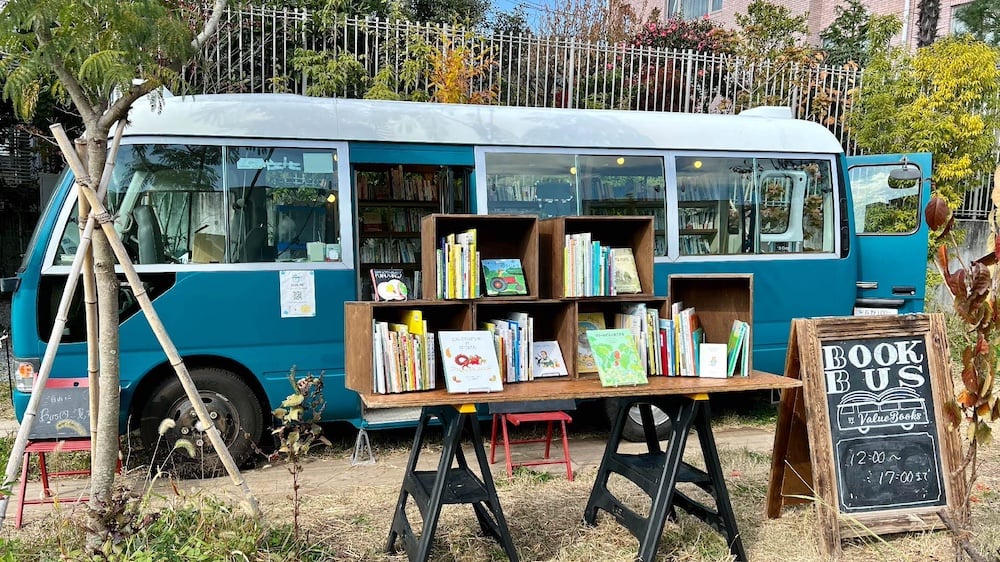
Furthermore, since February 2018, the company has also been running a project to deliver books via its mobile bookshop, the BOOKBUS. The BOOKBUS brings books to communities that feel they’d benefit from free reading spaces, regardless of whether they have bookshelves. To date, it has delivered books to over 40 locations, both in its home of Nagano Prefecture and in Tokyo and the wider metropolitan area.
Two bookshops that convey the sentiment: a book should remain a book
Although VALUE BOOKS’ core business lies in the online sale of second-hand books, promoting the value of used books and supporting better circulation are goals that cannot be fully achieved online alone.
For this reason, the company operates two physical shops near Ueda Station: “Hon to Cha NABO”, a bookshop with a cafe, and “VALUE BOOKS Lab”, a shop that exclusively stocks used books that could not be priced for online sale.
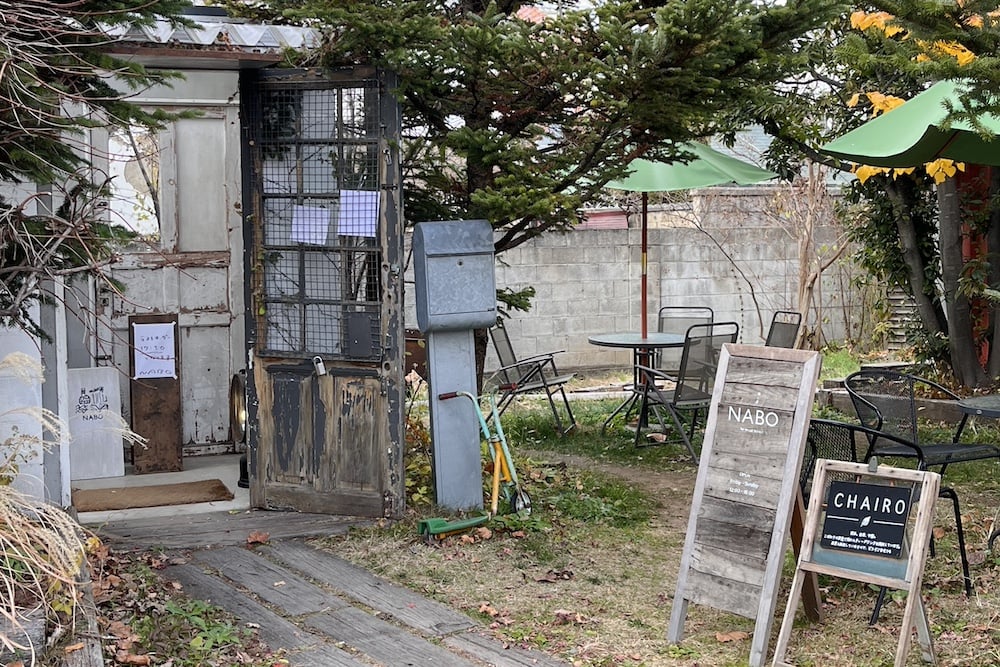
The phrase “Hon to Cha” means “Books and Tea” in Japanese. NABO is, as it is described, a “space with books” provided by VALUE BOOKS. True to its name, the shop features a cafe serving carefully selected teas and a loft with a hideaway atmosphere furnished with chairs and desks. It is designed not just to display books, but to be a place where reading can be enjoyed.
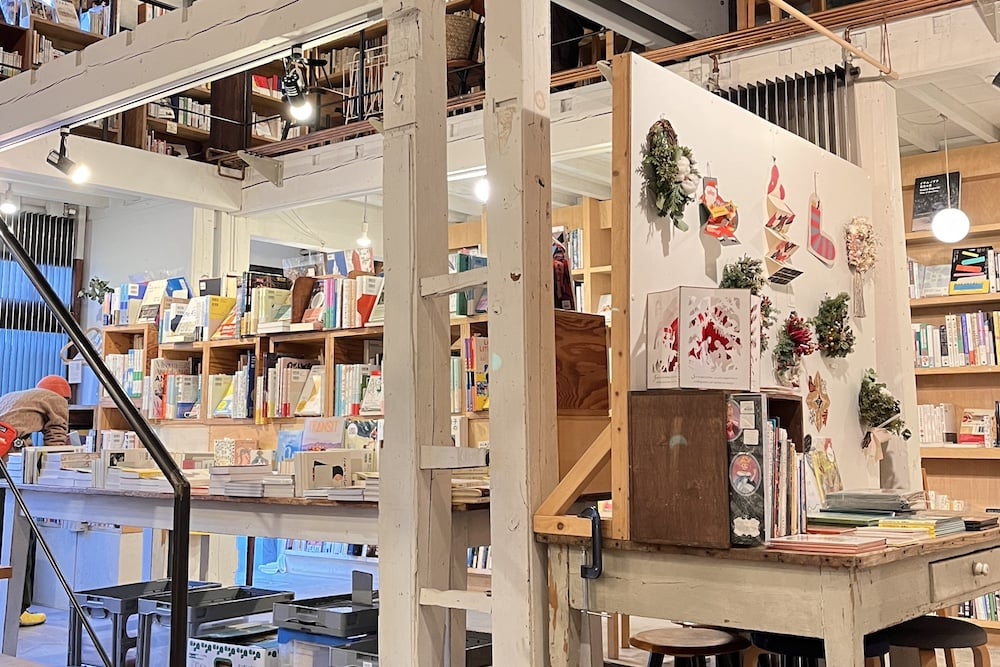
One of its most unique features is that new and used books are arranged on the same shelves. The used books are in a condition comparable to new ones, but a look at the price tags reveals a clear price difference. Visitors realise that the sole fact of being “second-hand” is what lowers their monetary value.
Nakamura: “Even when we sell new and used books on the same shelf, we don’t see a bias of only used books are purchased, or only new ones do. I believe customers decide what to buy based on their interest in the content, not the condition of the book.”
Meanwhile, VALUE BOOKS Lab, located on the same street as NABO, exclusively stocks books that were put up for sale but could not be priced for the online market.
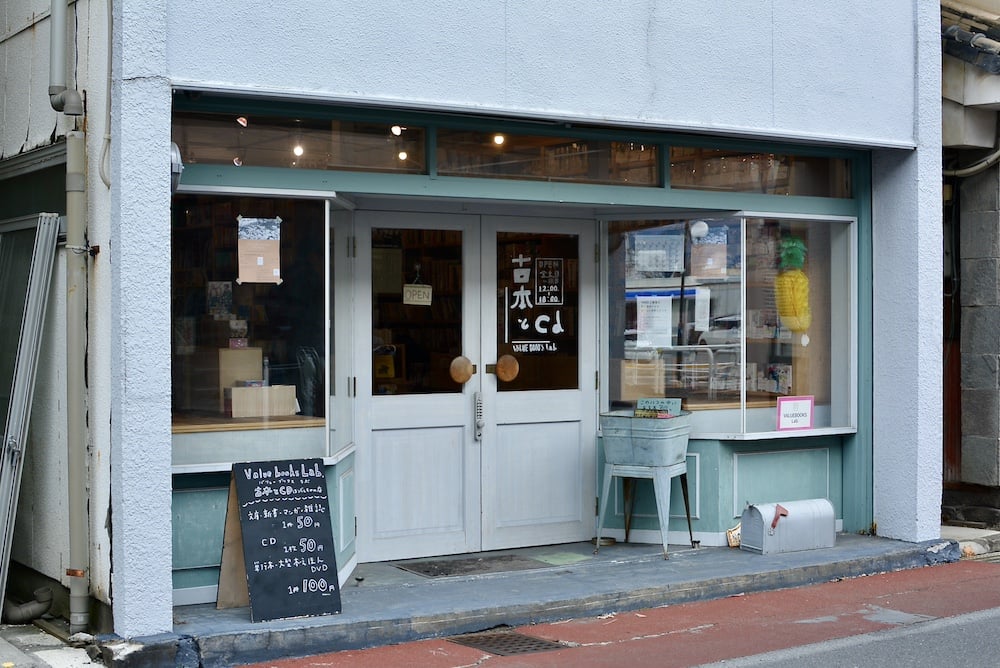
Prices start as low as 50 yen per book, a figure that surprises many customers.
Nakamura: “VALUE BOOKS Lab is not just a discount operation. These are books that would otherwise be sent for paper recycling. We run this space as a way to directly convey our wish for these books to remain active as books.”
The idea that products, once made, should be kept in circulation in their original form for as long as possible to reduce environmental impact is also illustrated in the circular economy’s conceptual “butterfly diagram”.
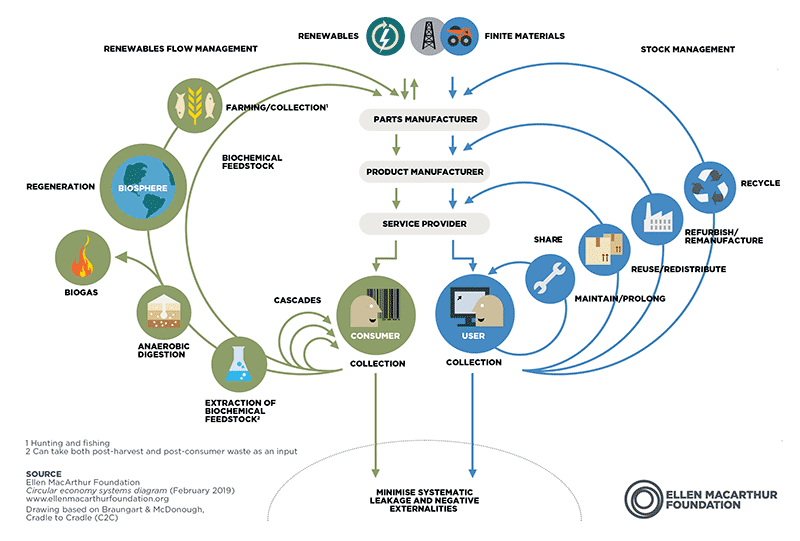
“The Notebook That Was a Book”: Re-examining function and resource value
By keeping books loved as they are, VALUE BOOKS gives a new purpose to countless volumes. Even so, many books are in a condition that makes it difficult to maintain them as books.
Nakamura: ”Books that couldn’t be priced are sent for recycling and turned into recycled paper. While this is one form of circulation, nearly 10,000 books are sent for recycling from VALUE BOOKS every day. It made us think about what more we could do to contribute to this cycle.”
The result is “The Notebook That Was a Book”, made from paperback books that were destined to become waste paper.
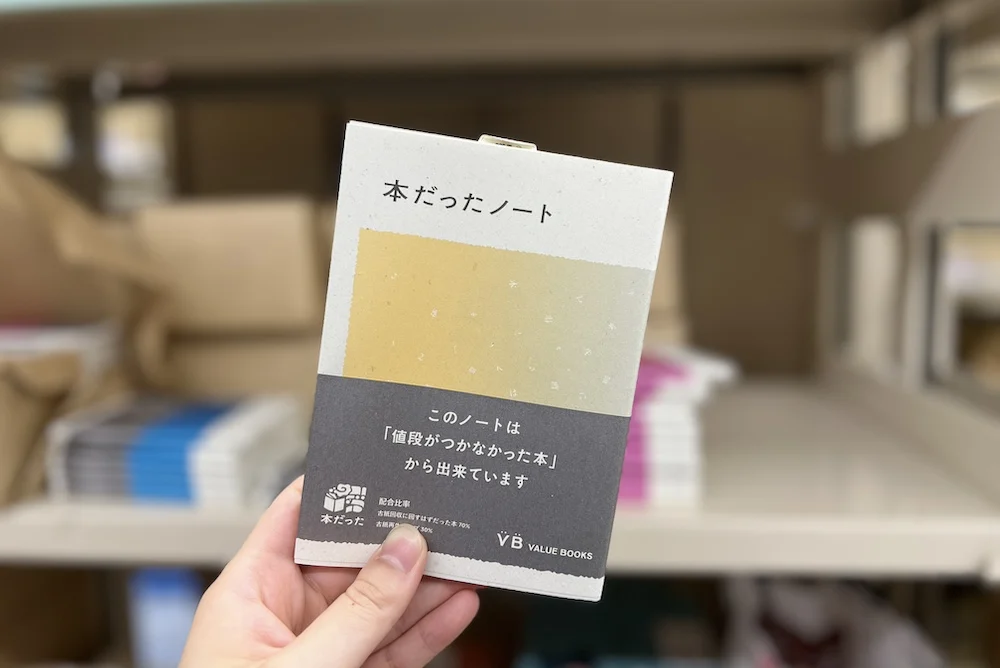
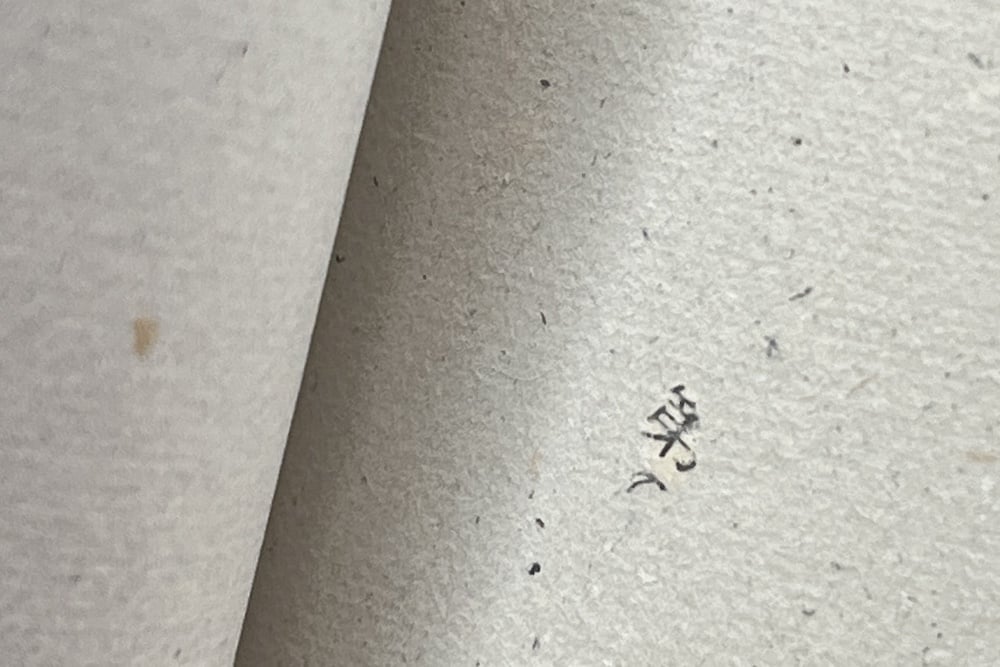
The raw material is 70% used books that arrived at VALUE BOOKS and 30% recycled paper pulp. Unlike typical recycled paper, its main ingredient is books. As a result, traces of text from the original books can be seen on the notebooks’ pages.
Furthermore, the cover of The Notebook That Was a Book is printed using waste ink. The available ink at the print shop is combined for each print run, so not only does the cover colour vary significantly between production lots, but a special printing method also means the colour gradation of each individual notebook is slightly different.
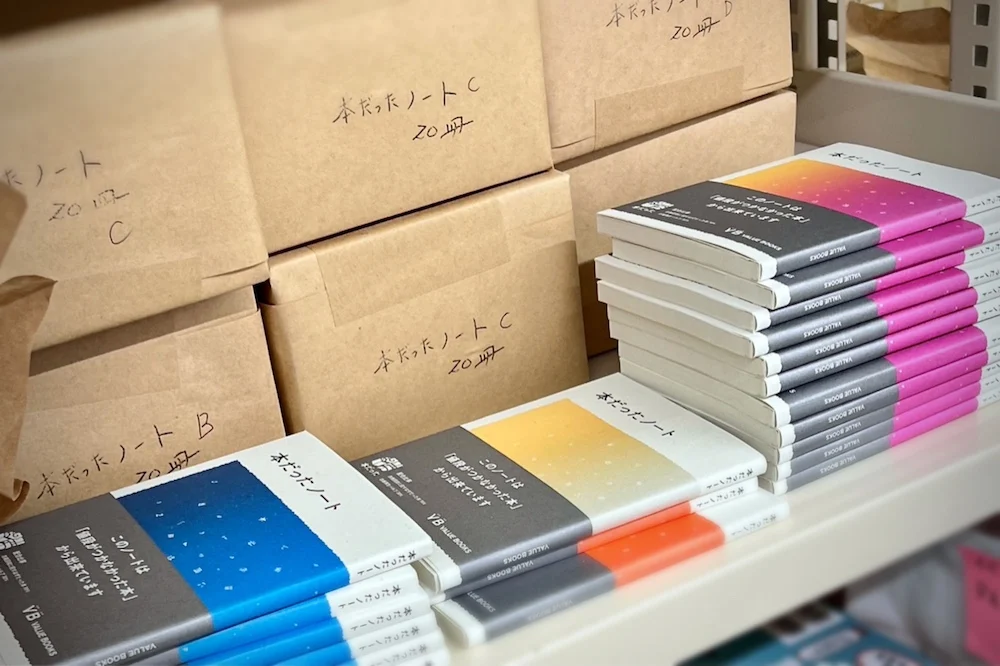
(Image: Circular Yokohama)
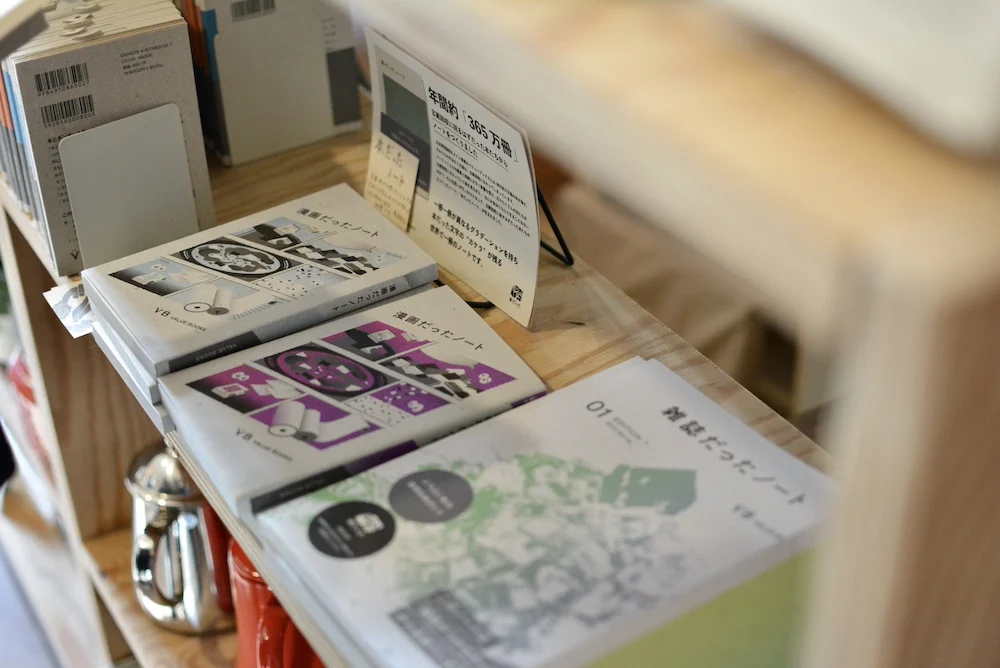
In addition to The Notebook That Was a Book, made from paperbacks, there are also “The Notebook That Was a Manga”, made from manga books, and “The Notebook That Was a Magazine”, made from magazines.
(Image: Circular Yokohama)
Their pages similarly contain remnants of screentones and fragments of photographs.
With modern paper recycling technology, it is possible to create paper that is almost perfectly blank. But when we consider the function of a notebook, which is to write down and record information, how much perfection do we really need from its pages? And is a pristine, blank state what constitutes ‘beauty’ in the first place? This item gives us a chance to pause and question our long-held assumptions.
Editor’s Note
As VALUE BOOKS continues to grow its business and social impact, it has moved beyond the internet to engage in activities with a direct, personal connection.
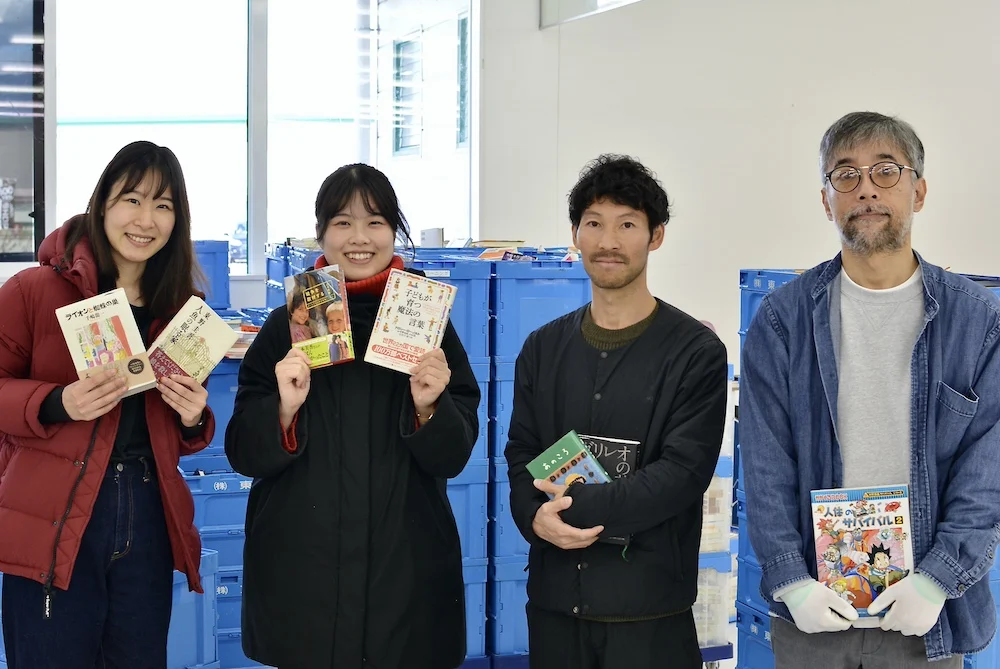
Circular Yokohama’s visit to VALUE BOOKS led to several forms of collaboration. Following the interview, Circular Yokohama received a donation of 500 books in their activity base through the Book Gift Project. It also partnered with VALUE BOOKS as a media partner for its “Book Present” project, which delivers books to children.
The experience has solidified the commitment of the Circular Yokohama team to work alongside VALUE BOOKS in spreading the message of “changing society with books”.
Originally published on Circular Yokohama.
[Reference] VALUE BOOKS, Inc. (Japanese)[Reference] VALUE BOOKS Inc. – Certified B Corporation – B Lab Global
More on circular economy in Japan
- 2026-10-13: Satoyama initiative closes loop, converting food waste into fertiliser
- 2026-10-06: Meiji and TOPPAN begin paper yogurt cup recycling trial in Yokohama
- 2026-10-04: Tokyo selects three community projects to boost resource recovery
- 2026-10-01: Japan METI's Cicrular Economy Action Week begins today
- 2026-10-01: Seven-Eleven Japan begins reusing power units via remanufacturing