 Zenbird Editorial Team
Workstudio Corporation has announced the launch of its Urban Circulation Model, an infrastructure project designed to recycle textile waste within city environments. It will integrate collection, recycling, and supply processes to establish a stable resource base that reduces dependency on external raw materials.
Traditional manufacturing relies heavily on natural fibres, so companies face resource security, and are vulnerable to price volatility, supply chain delays, and geopolitical risks. Furthermore, textile waste is notoriously difficult to process. Contamination and the presence of mixed materials often result in discarded clothing being sent to landfills or incinerators rather than being recycled.
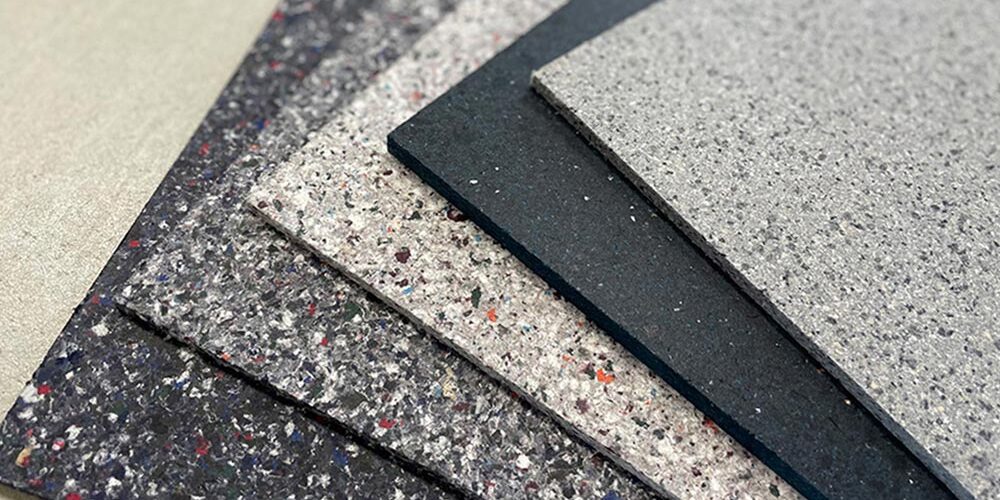
Against these challenges, the company’s PANECO platform will treat the city as an “Urban Forest” that generates its own resources. The system collects discarded textiles and processes them into PANECO boards, which are then supplied back to society as building materials, interior flooring, and furniture. Once these products reach the end of their lifespan, they are collected again and re-processed into new boards, continuing the circulation loop.
This model also allows Workstudio to handle materials previously deemed unrecyclable. This includes contaminated fibres that were traditionally destined for incineration. By incorporating these materials into a mass-production structure, the company has moved beyond conceptual recycling to create a functional social infrastructure.
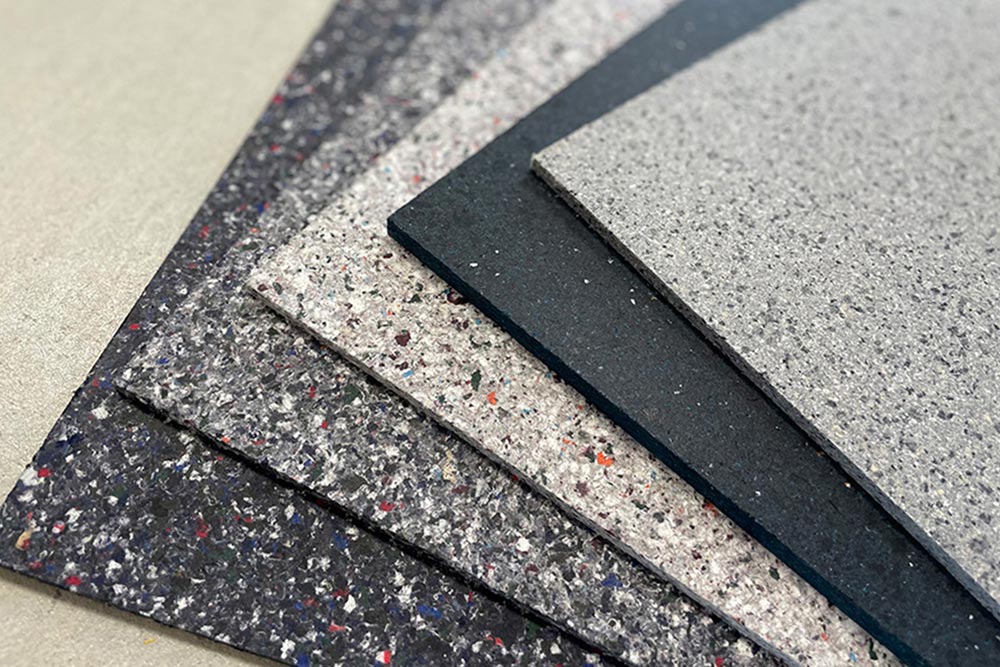
The company currently offers PANECO board S and PANECO board M, which are designed for high-volume supply, allowing the circular model to function across the construction and interior design sectors.
Workstudio plans to expand this regional urban circulation model further, creating it as a standard social infrastructure where circulated resources are continuously reconstructed and reused.
[Reference] Workstudio Notifications (Japanese)