 Zenbird Editorial Team
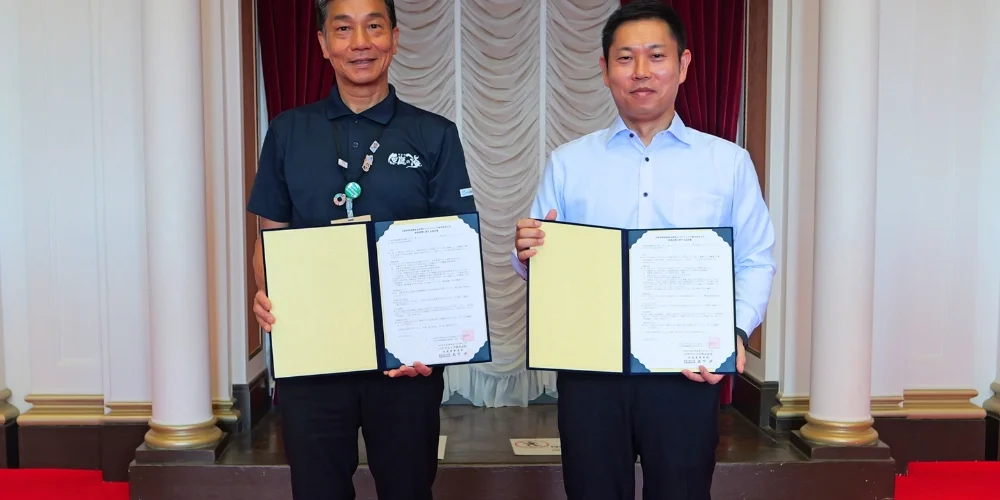
Panasonic Corporation is conducting another demonstration, this time with Osaka Prefecture, to reduce household food waste. By using artificial intelligence cameras installed inside refrigerators to monitor food inventory. A dedicated smartphone application connects to the cameras, helping residents keep track of their ingredients and encouraging them to use food before it spoils. This joint effort creates a practical system that allows households to reduce waste effortlessly in their daily lives.
Osaka Prefecture generated 205,000 tonnes of household food waste in fiscal 2022, accounting for 54 percent of its total food waste. The local government set a target to halve this amount to 161,000 tonnes by fiscal 2030, compared to fiscal 2000 levels. Achieving this goal requires concrete behavioural changes in how residents shop for, store, and cook their food. To approach this challenge, the local government joined forces with Panasonic to introduce a technological intervention that addresses the root causes of food waste, such as overbuying and failing to consume stored ingredients.
The Ministry of the Environment selected this initiative for its model project promoting the reduction of household food waste through consumer behavioural change for two consecutive years. During a previous trial, Panasonic found that approximately 80 percent of the AI camera users experienced increased awareness and modified their behaviour regarding food waste.
Building on the trial results, the company and Osaka prefecture scheduled a new demonstration project from August to December 2026. Osaka supports the project by disseminating information, recruiting participants, and providing advice on experimental design and data analysis. Panasonic manages the operations and quantitatively evaluates how effectively the AI cameras and the application reduce food waste.
[Reference] Panasonic News (Japanese)