 Misato Noto
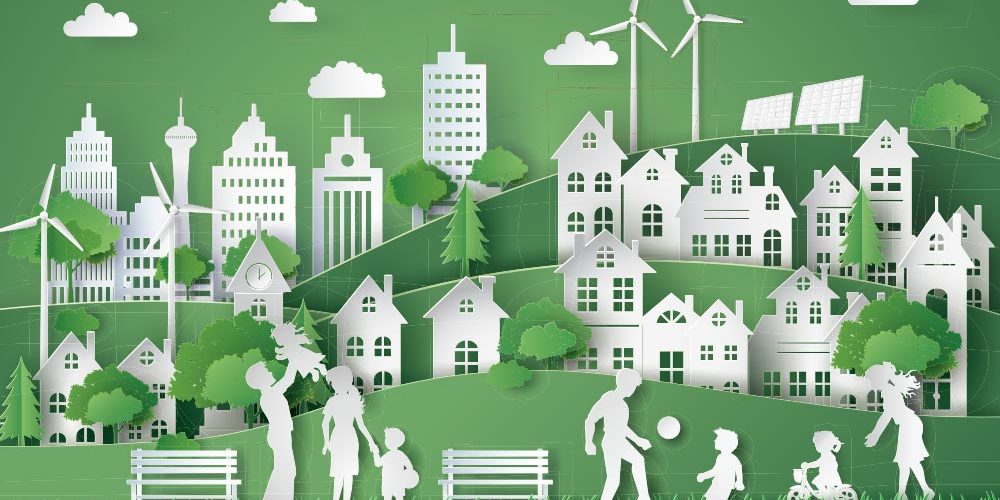
Simply put, sustainability means that our society can continue without negatively impacting future generations’ quality of life. At its core, it’s about finding the right balance of development between society, the economy and the environment. However, the problem is that we’re far from meeting this ideal.
The unprecedented economic growth our society has enjoyed was made possible thanks to natural resources, which have been used as raw materials and fuel. However, their intense exploitation is jeopardizing the future of our planet through rising temperatures, loss of biodiversity and pollution.
Given that the economy affects the way we live as a society, we need to ensure that growth benefits everyone, not just the wealthiest. Nonetheless, if we do not reorient economic development around sustainability, the 21st century could be characterized by social instability, environmental disasters and reversal of global progress.
[Related article] Sustainability in Japan|ZenbirdRead more about circular economy in Japan
- 2026-10-13: Satoyama initiative closes loop, converting food waste into fertiliser
- 2026-10-06: Meiji and TOPPAN begin paper yogurt cup recycling trial in Yokohama
- 2026-10-04: Tokyo selects three community projects to boost resource recovery
- 2026-10-01: Japan METI's Cicrular Economy Action Week begins today
- 2026-10-01: Seven-Eleven Japan begins reusing power units via remanufacturing