 Misato Noto
A linear economy has long been promoted in the name of productivity. However, its core “take-make-waste” ethos stands at a critical juncture due to its widely reported environmental disadvantages and resource scarcity.
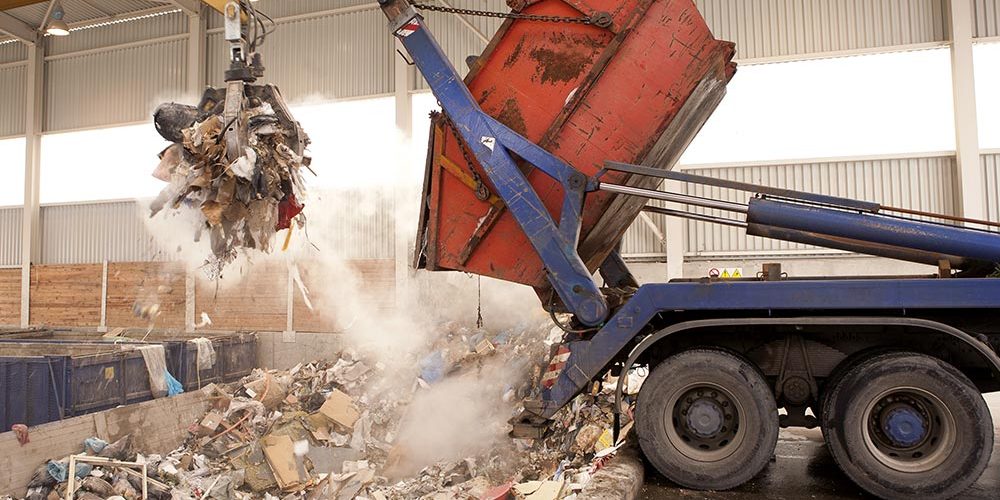
The extraction and collection of raw materials require high energy and water consumption. Additionally, the production process emits many toxic substances, which puts a heavy strain on the environment. Furthermore, the accumulation of waste resulting from accelerated production and consumption is also detrimental to our ecosystem.
Another problem with using natural resources, including mineral and fossil fuels, is that they are non-renewable, meaning they will eventually run out. For example, the CIA World Factbooks estimates that oil will run out by 2052, while coal and natural gas could only last until 2060. This is simply the current estimate. Perhaps, the last days of these limited resources may come sooner if exploitation continues at its current speed.
Read more about circular economy in Japan
- 2026-10-13: Satoyama initiative closes loop, converting food waste into fertiliser
- 2026-10-06: Meiji and TOPPAN begin paper yogurt cup recycling trial in Yokohama
- 2026-10-04: Tokyo selects three community projects to boost resource recovery
- 2026-10-01: Japan METI's Cicrular Economy Action Week begins today
- 2026-10-01: Seven-Eleven Japan begins reusing power units via remanufacturing