 Roger Ong
Recently, we featured the spirit of “shimatsu no kokoro” when we had an insight into Kyoto’s blueprint for a Circular Economy. It holds a foundational concept that may even “precede” mottainai, which is a dislike in creating waste. Shimatsu no kokoro is a traditional mindset centred on the complete and thoughtful use of resources throughout their entire lifecycle, and is now being re-examined as a powerful cultural blueprint for a modern circular economy.
What is Shimatsu no kokoro?
While it can be difficult to translate accurately, shimatsu no kokoro (始末の心) is often understood as “spirit of management” or “mindset for seeing things through.” It is a philosophy of meticulous resourcefulness that encompasses the entire lifecycle of an object, from its acquisition to its final disposal (“shimatsu” meaning start to finish). Unlike simple frugality, which focuses on saving and using as little as possible, shimatsu no kokoro is rooted in a deep respect for materials and the labour required to create them. We can think of it as the proactive practice of planning, using, maintaining, and ultimately repurposing items to maximise their value and eliminate waste. Readers who are into Circular Economy should find this idea familiar!
A modern interpretation by Kyoto City frames the concept as a comprehensive approach to waste reduction, linking it to the 5Rs: Refuse, Reduce, Reuse, Repair, and Recycle. Kyoto City views shimatsu-no-kokoro as the foundational spirit and guiding principle for its future circular economy strategy.
Origins of Shimatsu no kokoro
The philosophy of shimatsu no kokoro is widely believed to have been crystallised during Japan’s Edo period (1603-1868). During this time of relative isolation, resources were finite and had to be managed with extreme care.
The merchant class developed this mindset as a fundamental principle for business survival and prosperity, because waste meant a financial loss. They treasured every grain of rice, every scrap of paper, and every piece of fabric. This economic reality fostered a culture to utilise items to their fullest extent. For example, a single kimono would be worn, then altered for a child, later repurposed into smaller items like bags or cleaning rags, and its fibres would finally be burned for ash to be used in fertilisers or pottery glazes. Repurposed and repurposed again. This systematic, full-lifecycle approach was the essence of shimatsu.
Reviving Shimatsu no Kokoro for modern Japan
Following Japan’s rapid post-war economic growth, a culture of mass consumption and disposability took hold. This pushed traditional values like shimatsu no kokoro into the background. However, with rising global awareness of environmental crises, the concept is finding a revival.
Today, instead of just being a virtue of household thrift, it is being contextualised as a public principle for sustainable living. Municipalities like Kyoto are actively promoting shimatsu no kokoro as a cultural asset to encourage citizen participation in waste reduction programmes. It’s building a connection between modern environmental actions and a long-standing traditional value of resourcefulness and respect.
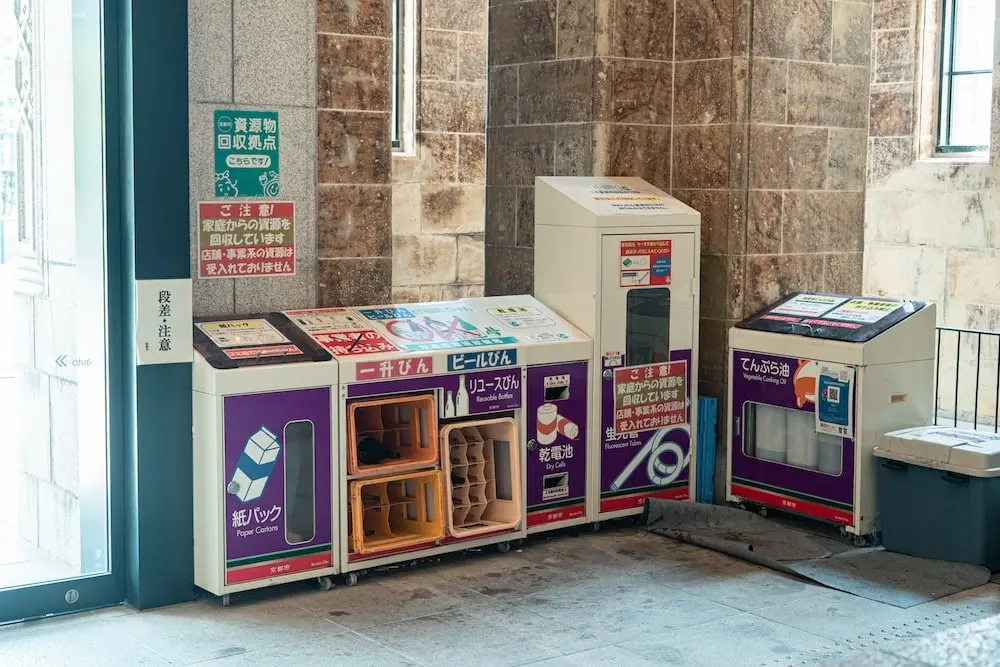
A blueprint for the global Circular Economy
And that brings us to Shimatsu no Kokoro’s exciting potential in the terms of Circular Economy. Shimatsu no kokoro offers a framework that complements and deepens the principles of the Circular Economy, since it works so well as a focus to eliminate waste and keep resources in the loop for as long as possible. It is quite possibly applicable universally.
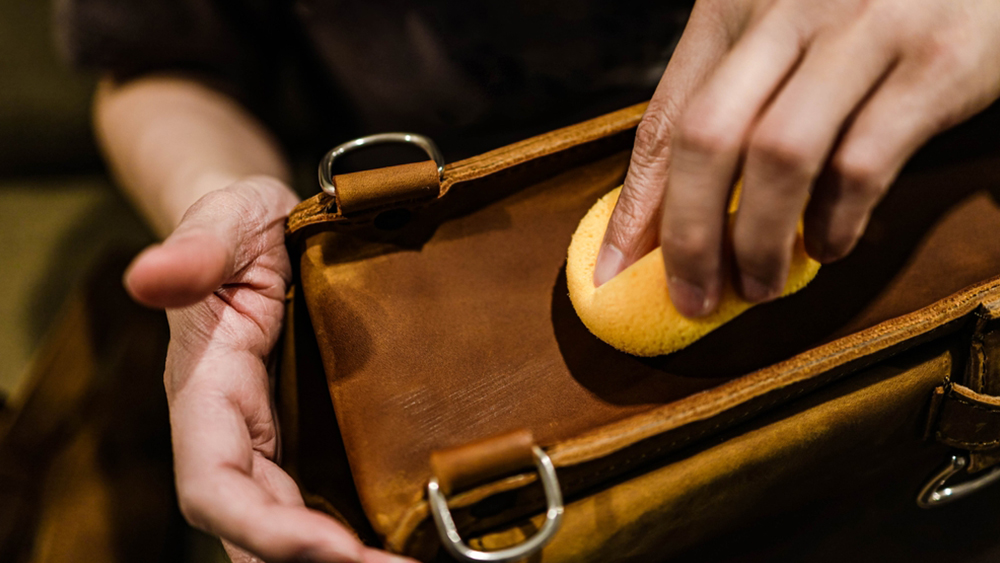
As a proactive approach, shimatsu no kokoro motivates us to prevent waste (as opposed to mottainai, which is an emotional feeling). It encourages thinking about an object’s entire journey before it is even acquired. This aligns perfectly with circular consumption, where we consider where an object comes from before purchase, and where it would go after we are done with it.
Shimatsu no Kokoro would also shift our focus from ownership to stewardship for the long-term. It encourages us as consumers to ask critical questions: Do I truly need this? Can it be repaired? How can I ensure it is used completely? For manufacturers, this encourages designing durable, repairable products, and even exploring service-based models, such as rental subscriptions (Products-as-a-Service.)
The mindset can even increase our appreciation for objects: Unlike the problems like fast fashion and disposable electronics, shimatsu no kokoro encourages to care about the intrinsic worth of resources, labour, and craftsmanship. It encourages a deeper connection with our material possessions, and the items eventually become worthy of care and respect.
Conclusion
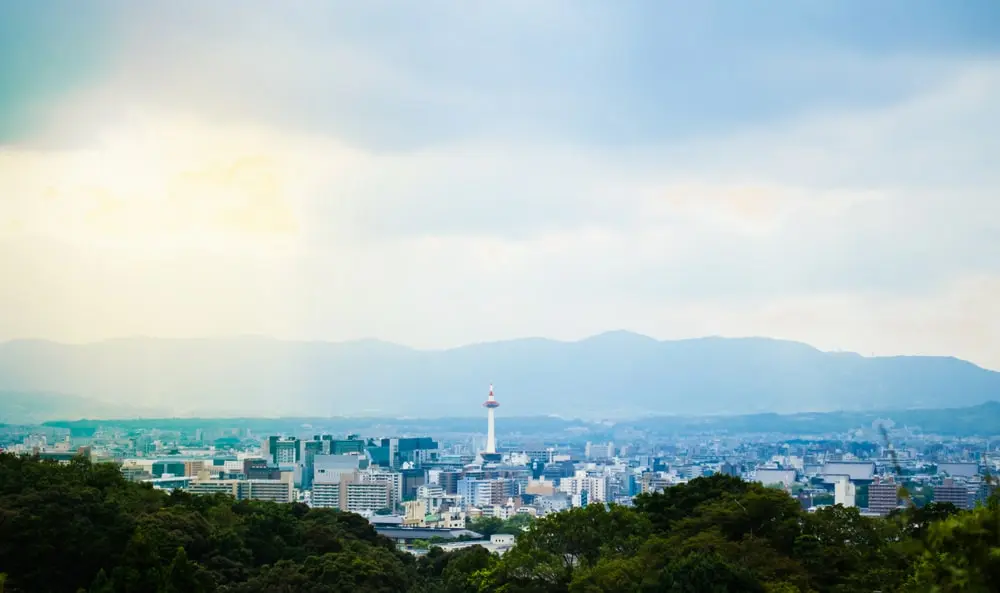
Mindsets like shimatsu no kokoro doesn’t need to be popular like mottainai, but we should pay attention to how valuable it can be as the cultural foundation of a circular society. Kyoto City, a city that has a history of circularity formed of sustainable culture, can be a model as a Circular City, and shimatsu no kokoro as the spirit of stewardship cultivated among its residents for a regenerative future.
More on circular economy in Japan
- 2026-07-10: Ishizaka Sangyo granted Japan's first advanced resource circulation permit
- 2026-07-09: JR Kyushu marks 20 years of recycling train tickets into toilet paper
- 2026-07-09: New circular tire stoppers reduce physical burden for logistics drivers
- 2026-07-06: Circular Cities Conference & Festival 2026: fermenting Japan's circular city vision
- 2026-07-06: Japan's first project to turn automotive waste glass into building materials