 Zenbird Editorial Team
Food collective TETOTETO inc. has launched a new brand, “Budo no One-piece,” to tackle food waste in Japan’s wine industry by upcycling discarded grape skins into new edible products. They aim to create value from the thousands of tonnes of pomace discarded annually in Yamanashi Prefecture.
Wine pomace, the skins and seeds left after pressing grapes, is rich in polyphenols but is largely treated as waste. In Yamanashi, one of Japan’s primary wine regions, an estimated 10,000 tonnes of pomace are disposed of each year.
The new brand directly addresses this food loss issue by using the grape skins as a confectionary ingredient. The process involves steeping the skins in sugar, preserving their nutritional content and creating a base for new products. The first of these is “Shioyama Granola,” which combines the upcycled grape skins with oats and nuts.
The project started as the Wakao family, who run the Marusan Budoshu winery and Wakao Kajuen orchard in Koshu City, Yamanashi, shared that the disposal of wine pomace generated during the winemaking process had become a challenge. TETOTETO proposed developing a confectionery brand using wine pomace
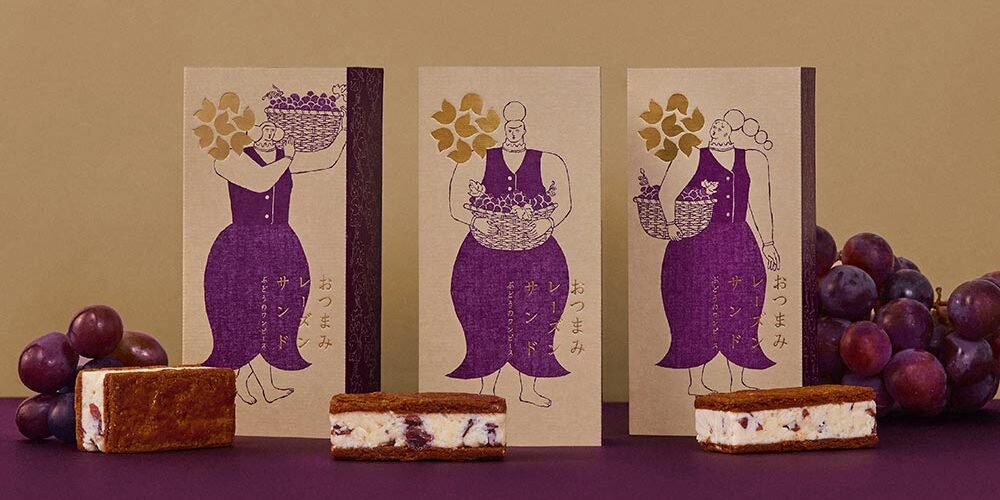
The initiative was joined by a local web marketing firm, who saw a lack of Yamanashi souvenirs that people would be excited to give as gifts, and saw an opportunity to create a new signature product for the region. The brand’s distinctive name was conceived by TETOTETO’s food creative director, which translates to “Grape’s One-Piece Dress,” was inspired by the image of a grape “slipping off its skin as if it were a dress.”
This creative concept became central to the product’s identity. Art director Aya Yagi of ARENCE Inc. agreed that “it would be best to use this unique and memorable name as the axis of communication” for the product’s design.
TETOTETO inc. also has a portfolio of similar circular economy projects, including a brand that uses cosmetically imperfect fruit and a plant-based mayonnaise developed from sake kasu, a byproduct of sake brewing. They are using their experience to continues reducing food loss for a circular economy.
[Reference] PR Times (Japanese)More on upcycling in Japan
- 2026-10-17: Upcycling retired cycling helmets into urban furniture for public use
- 2026-10-16: Surplus curry from industrial vats finds new life in Yamagata craft beer
- 2026-09-24: Wholesaler Ohsawaya uses AI to upcycle food waste into eco-friendly feed
- 2026-09-15: New circular economy project turns Kobe City forest debris into clothing
- 2026-09-11: Aeon reduces food loss with new upcycled snacks this month