 Zenbird Editorial Team
In March 2026, SEA VEGETABLE COMPANY, a firm proposing new ways to consume seaweed, will open its first permanent restaurant, “SEAVEGE- STAND,” in Yaesu, Tokyo.
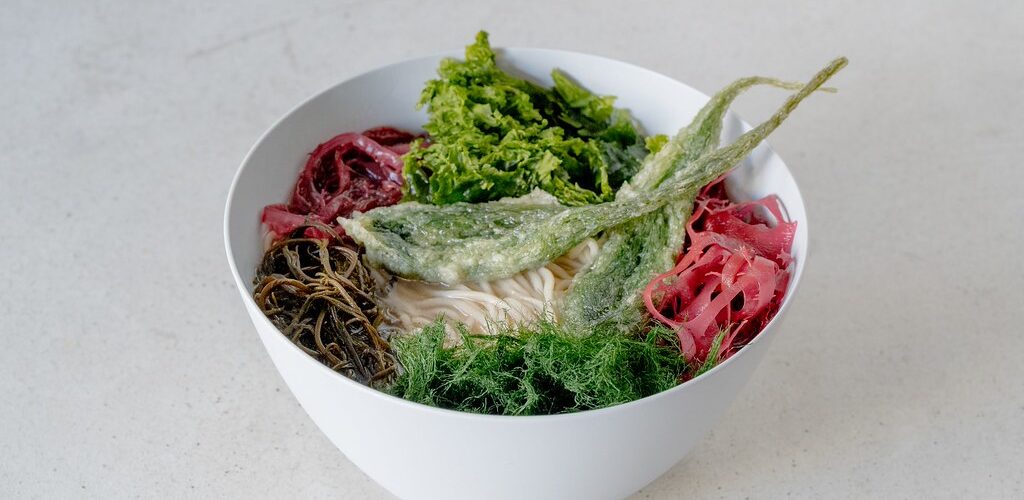
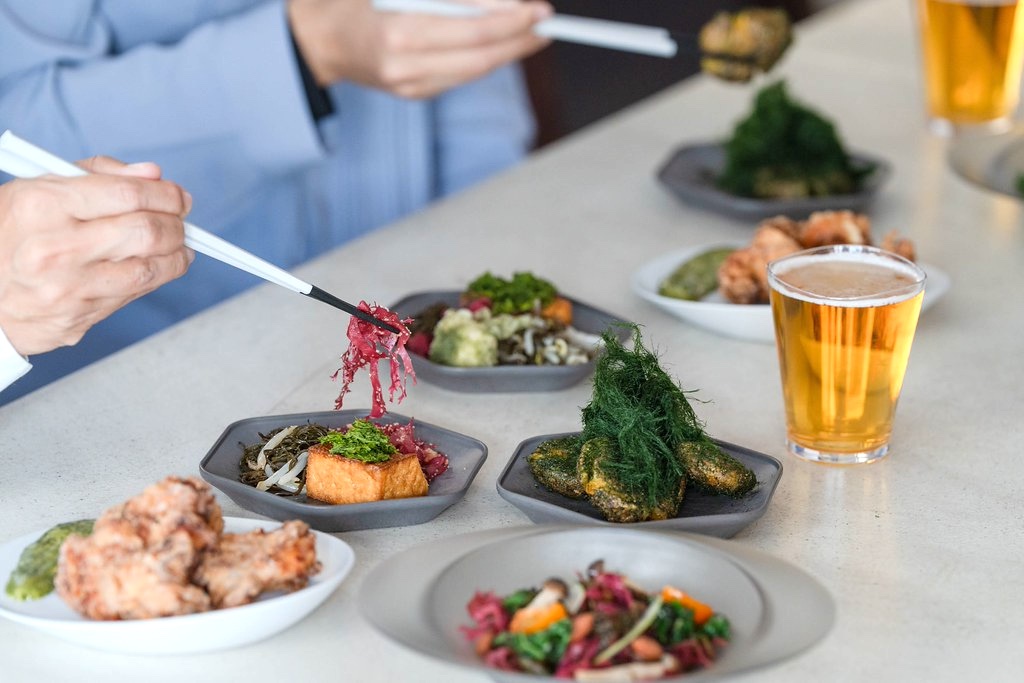
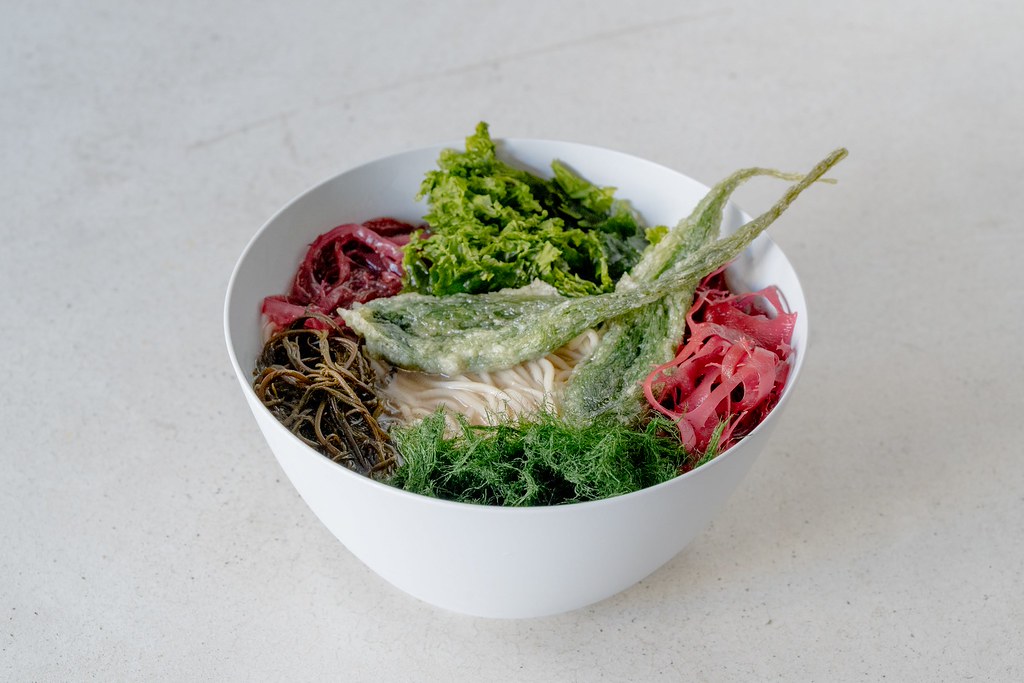
The restaurant will serve “Seaweed ramen” during lunch hours and operate as an izakaya (Japanese-style pub) at night, offering seaweed-based dishes and various alcoholic beverages. Additionally, the second floor will host hands-on programs led by seaweed culinary researchers and chefs, serving as a hub to promote new seaweed food cultures and consumption methods.
Japanese coastlines have been experiencing sea desertification, where seaweed significantly decreases due to factors such as coastal development, deteriorating water quality, and rising water temperatures caused by climate change. This impact is particularly prominent in seaweed and seagrass beds. As sea desertification progresses in these areas, it severely affects ecosystems and leads to a decline in fish and shellfish populations that rely on these beds, resulting in a serious impact on the fishing industry.
To address these challenges, Sea Vegetable cultivates seaweed in selected areas and conditions that are less prone to grazing by fish and sea urchins. Simultaneously, the company works to increase food demand by proposing new ways to eat seaweed, aiming to link these efforts to the restoration of the marine environment.
While the company has previously proposed new ways to eat seaweed through the sale of processed products and collaborations with restaurants nationwide, seaweed has often remained a “supporting actor,” used primarily for garnish or color. Consequently, the company decided to open a permanent location to create a hub for sharing ways to enjoy seaweed as the main feature.
At SEAVEGE- STAND, visitors can experience the new charms of seaweed based on the pillars of “Eat, Talk, and Explore.” The lunch signature dish, “Seaweed ramen,” features a variety of seaweed such as Suji-Aonori (green laver), Waka-Hijiki, and Mirin seaweed. In the evening, guests can enjoy various drinks alongside dishes that reveal unexpected sides of seaweed, such as seasonal seaweed plates and “SEAVEGE Salads.”
There are over 1,500 species of seaweed inhabiting Japanese waters, almost all of which are said to be edible. However, according to SEA VEGETABLE COMPANY, even in Japan—considered to have the world’s most advanced seaweed-eating culture—only a few dozen types currently appear on dining tables.
This means more than 1,400 species remain dormant as unknown ingredients. At the newly opening SEAVEGE- STAND, visitors will have the chance to encounter such undiscovered seaweeds.
[Reference] SEA VEGETABLE COMPANY News Release (Japanese)