 Roger Ong
Zenbird conducted a learning programme about Circular Economy in Kyoto in June, with the goal to discover how various stakeholders have been promoting circularity among the local communities.
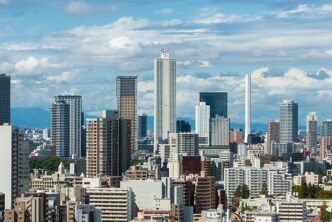
Our journey would take us to Kyoto City and Kameoka City to look at four themes that help shape Kyoto’s (and, arguably, Japan’s) unique circularity: cultural values, circular businesses, local resources, and leadership.
Cultural Kyoto City with circular businesses
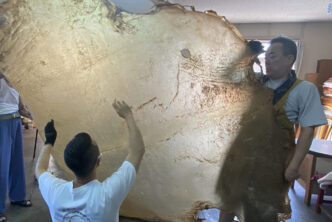
We opened the programme with a visit to KAMITOWA, a washi maker (washi is Japanese paper), to experience paper making and the steps. While methods have modernised for convenience, we were able to learn how washi was made traditionally.
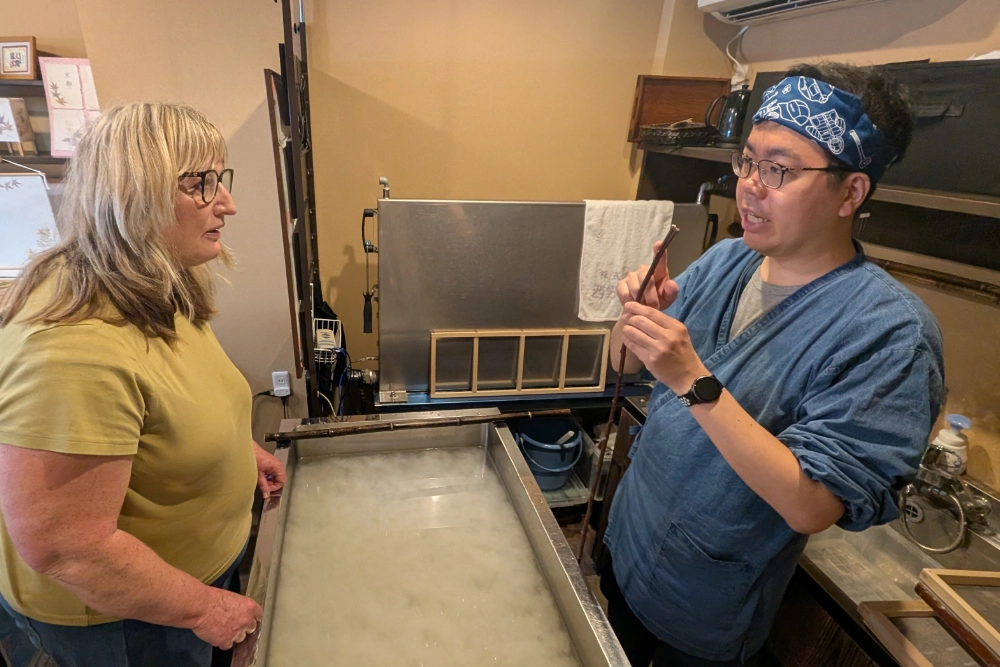
The wise washi craftspeople knew in the past how to maximise what their environment offered, despite having minimal negative impact on the environment. Like using the region’s snow to create a unique hue, and using natural heat of the sun for zero-emission drying. We also experienced mottainai, a sense of not wanting to waste, as the washi we made were personal objects now, not as easily replaceable.
Next we visited mame-eco, where Gary and Junko shared their wonderful work in closing the loop of used coffee grounds in the city. Mame-eco collects used coffee grounds from their partner businesses that serve coffee, and directs these resources to local farmers who use them for their crops.
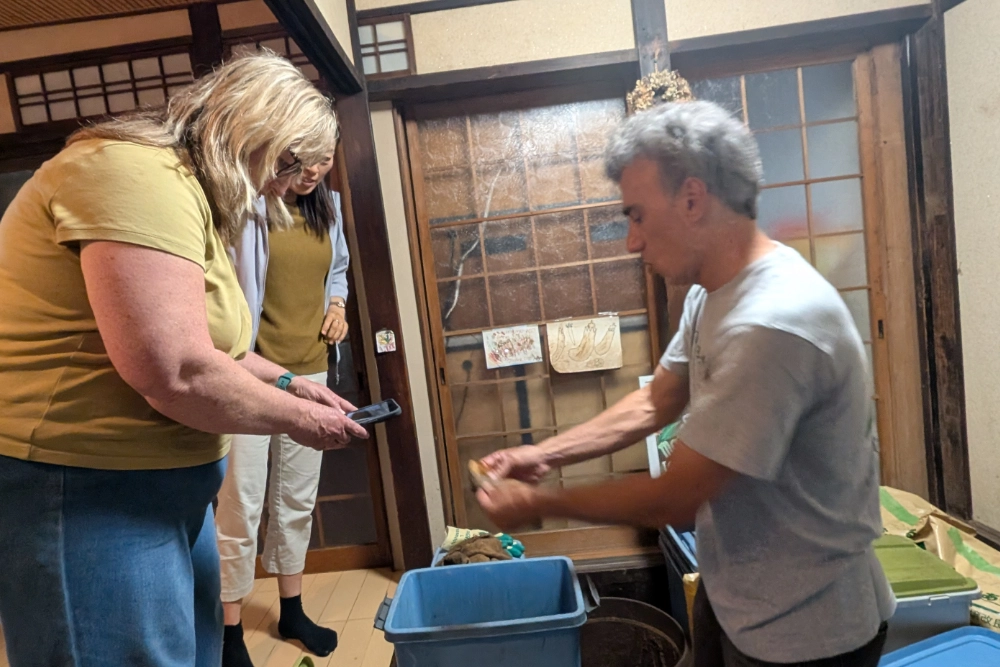
We got a peek also at their new attempt at creating a channel to collect metal bottle caps, which are notoriously difficult to recycle despite the valuable material. The exchange with Gary and Junko was one among friends, and time with them felt short.
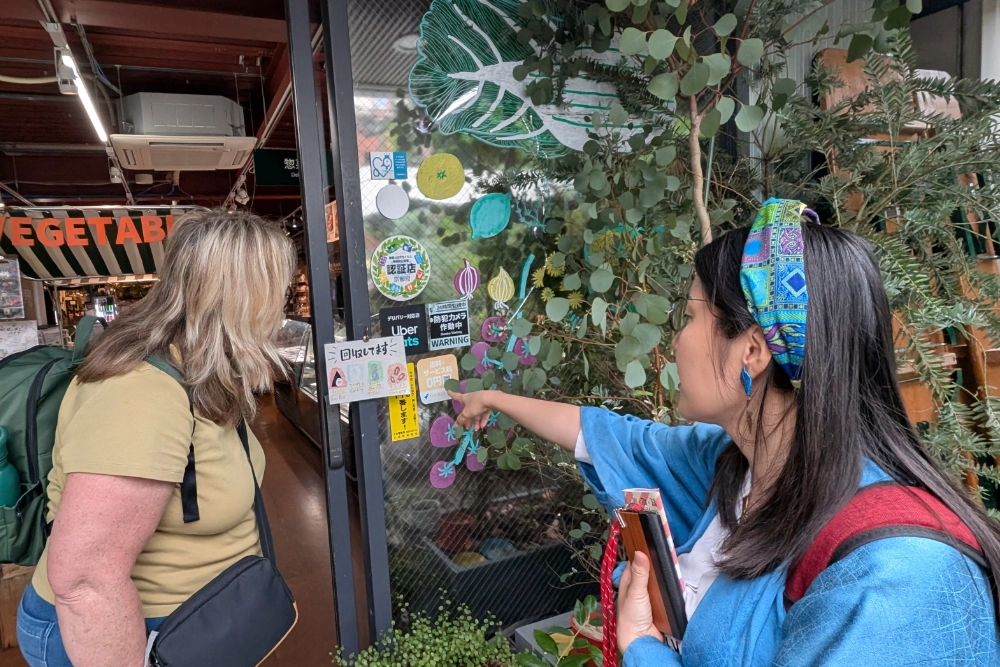
Our next visit brought us to Teramachi street. While this popular shopping street is a symbol of consumption, there are many points of sustainability and circularity if you know where to look for it.
We took lunch in mumokuteki cafe&foods, as we learnt about how the operating company is a major player in circular economy, for example, creating an ecosystem for circulating textile that is supported by Kyoto youths.
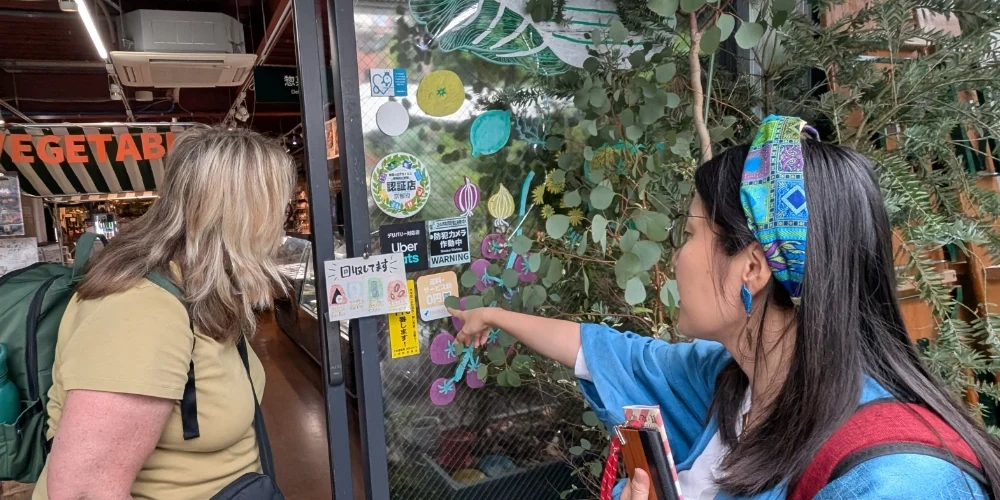
We took our time to explore various shops after lunch too, visiting fashion stores like Motherhouse and Sisam, which are leaders in promoting ethical manufacturing and responsible consumption. We also took a detour to Zero Waste Market by Totoya, where we learnt how the store has almost no waste, especially plastic and food.
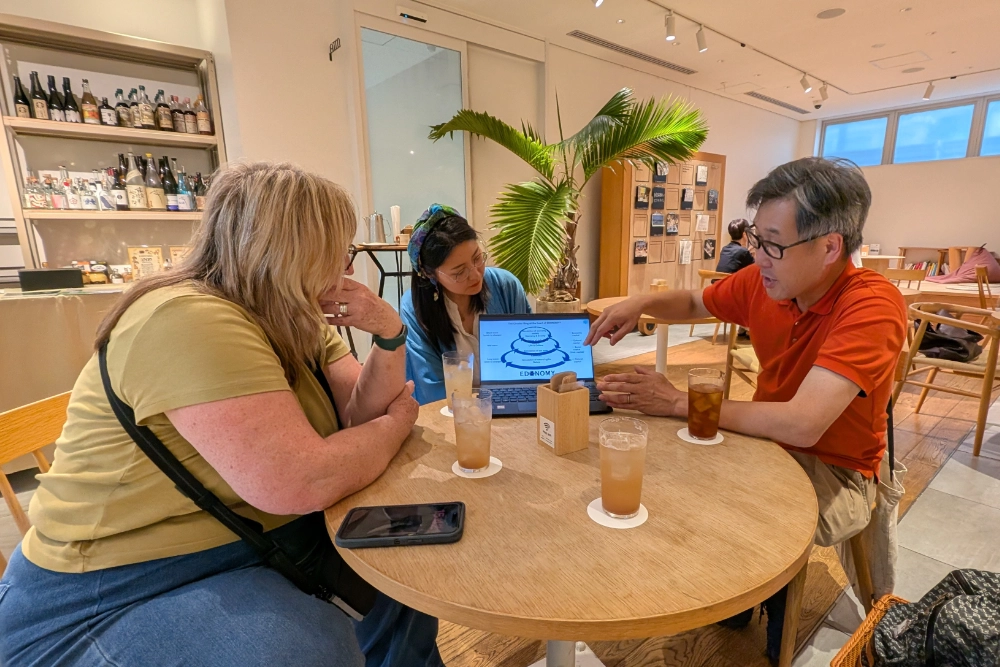
We closed the day with an exchange with COS KYOTO, as we learnt about their research on Circular Edonomy, the circular economy model that formed in Japan during the Edo Period more than 400 years ago.
We were treated to seeing how the cultural foundations built the circular system then, and how we can draw parallels with resources today. They are planning on promoting the idea further next, seeing how the concepts offered can be superior for modern day application.
Kameoka City, envisioning itself a circular city with a love for nature
We opened the second day’s programme with a visit to Circular Kameoka Lab. This facility is a community space for citizens to gather together, for circularity and for love of Kameoka’s nature.
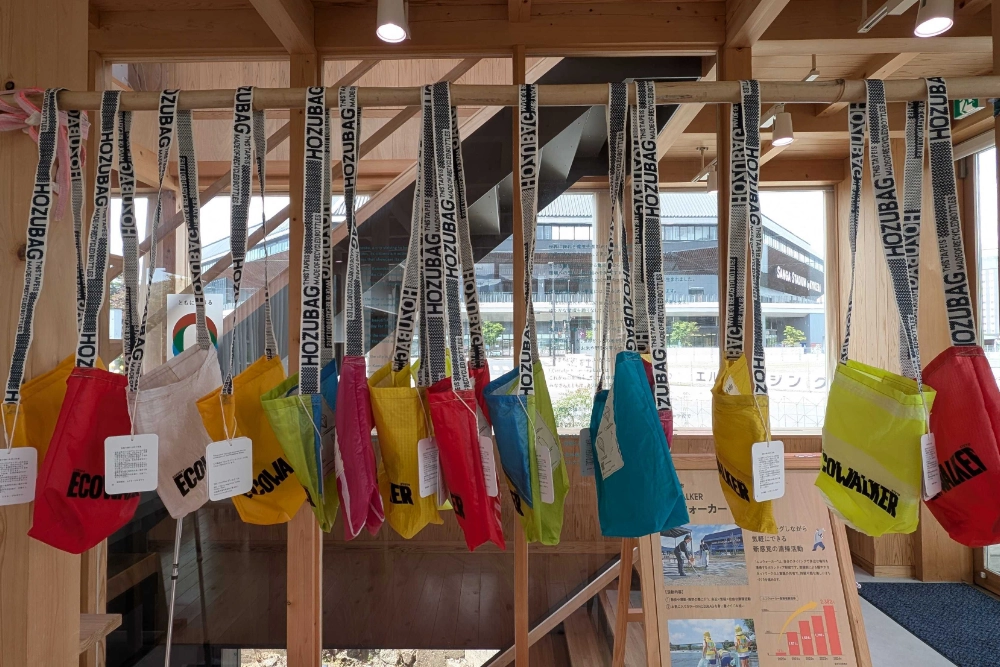
HOZUBAG is probably the most iconic representation of Kameoka’s circular activities, as it is an international brand that upcycles used paragliders into bags. The Circular Kameoka Lab is also iconic for holding periodic events for citizens, like the Meguru Hiroba every 8th, 18th and 28th (each with its own theme).
Making our way northeast, we visited Hozugawa Aizome Koubo, where an indigo dyeing workshop awaited us. We were given a detailed explanation of the dyeing process, while also being allowed creative freedom to dream up the design we want to create. It felt like we were artisans ourselves, dyeing alongside the staff who were working on clients’ orders.
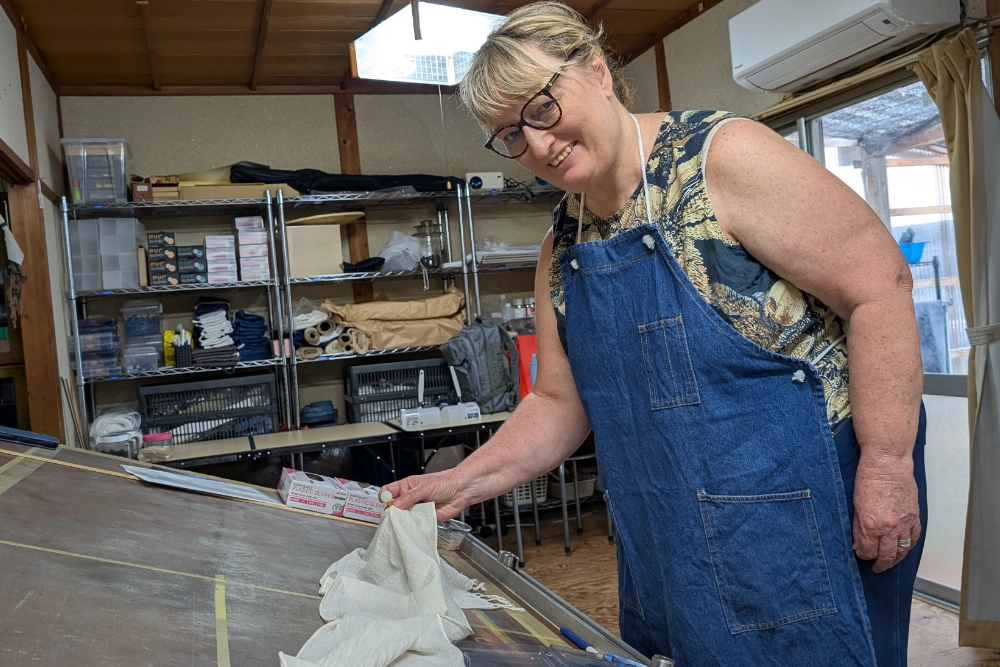
We also got to enjoy the story of the unique indigo that they use: the Kyoto indigo. This variant had actually disappeared in Kyoto with the decline of indigo demand. However, with the support of indigo farmers from other regions, they have successfully revived the Kyoto indigo variant, which now grows as a precious asset of Kameoka City, in a field near the workshop.
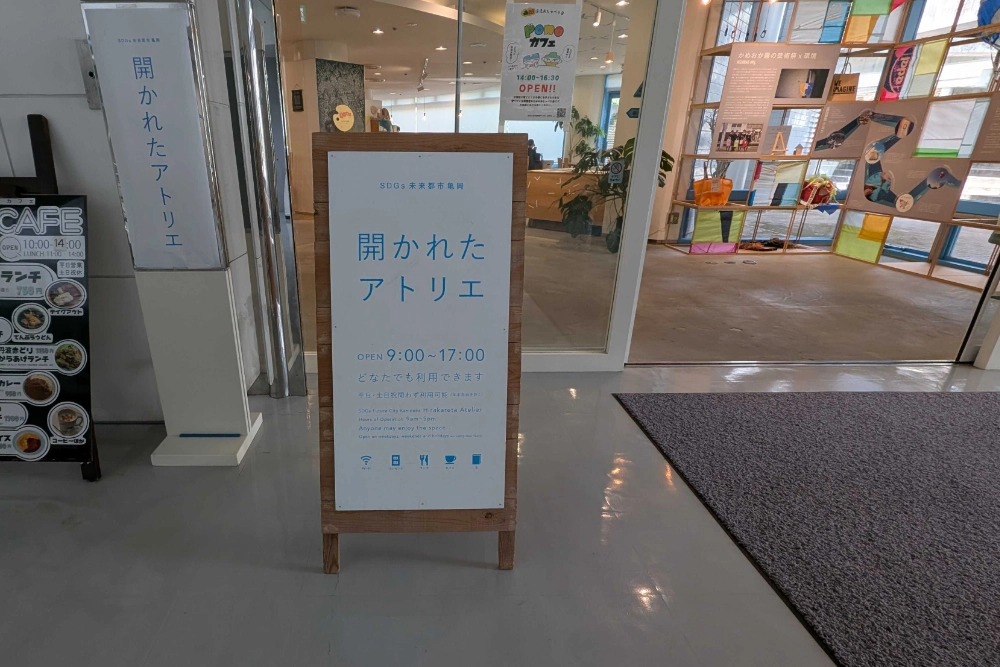
After the workshop, we made our way to the Kameoka City Hall. In the basement is the Open Atelier space, a wide, multi-purpose room for everyone to use and learn about Sustainable Development Goals efforts in Kameoka.
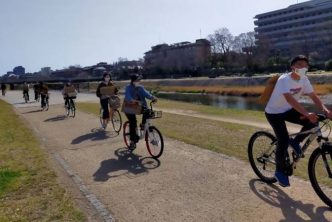
Lunch was through ALTR, a cafe housed in the same place. It is a river-friendly cafe, which indicates how it is making efforts to be sustainable for the Hozugawa River, one of the biggest factors for Kameoka’s drive for a circular economy.
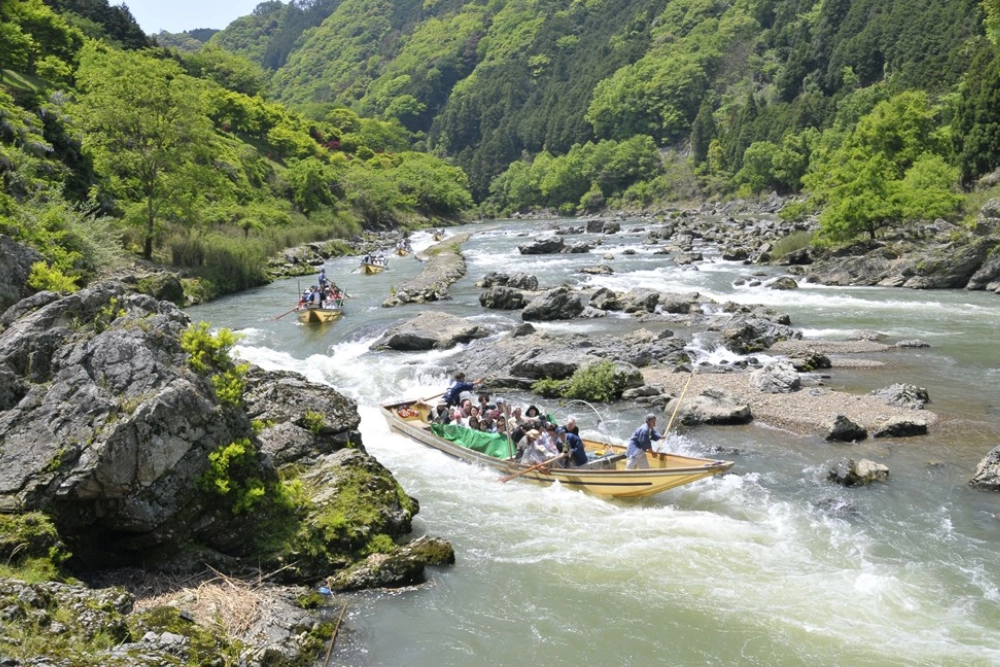
The staff of Hozugawa Kudari, which hosts boat rides for tourists, began to realise how rubbish was dirtying the banks of the river. Research was conducted with the help of academic researchers, and they were dismayed at how plastic waste had made it as far as the ocean.
To protect nature from pollution and harm, they not only took initiative to clean up the river, but successfully got citizens to care about their iconic river. The representative teamed up with the city mayor as an ally in environmental care, and ultimately kickstarted Kameoka’s future in circularity.
Today, Kameoka is well-known for being the first Japanese city to ban the sales of single-use plastic bags, and displays leadership in circularity. Our programme ended with a view of a pristine Hozugawa River, a vision of a Kyoto Circular Economy that coexists with nature.
All photos taken by Roger Ong unless otherwise stated.
[Reference] Sustainable & Circular Economy Tours in Japan | Zenbird