 Zenbird Editorial Team
A Kyoto-based ramen restaurant operator has launched a groundbreaking initiative aimed at tackling the environmental issue of neglected bamboo forests in Kyoto Prefecture. The “Kyoto Bamboo Shoot Project,” centered around their chain, “Kirameki no Tori,” will be converting locally sourced young bamboo into menma (fermented bamboo shoots), a popular ramen topping.

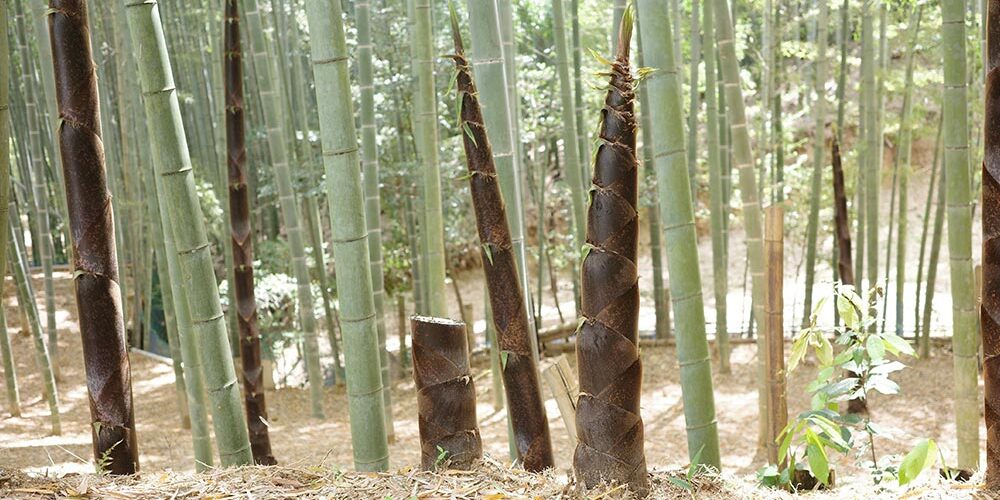
The project addresses critical ecological concerns and aims to enhance local employment and community development. Neglected bamboo forests pose significant environmental risks, including impeding forest growth and increasing landslide occurrences due to the uncontrolled spread of bamboo that blocks sunlight to other plants.
The ramen chain began manufacturing menma from bamboo harvested in areas such as Muko City, Nagaokakyo City, Yawata City, and Seika Town. The initiative was sparked by the discovery that young bamboo, which is soft and not yet hardened, could be transformed into high-quality menma, a shift from the industry’s reliance on imported products.
“Our slogan, ‘Contributing to society through ramen,’ really embodies what we aim to achieve with this project,” said Masahiko Kubota, CEO of Kirameki no Mirai, the chain operator. “By using locally sourced bamboo, we’re not only addressing the environmental problem of bamboo overgrowth but also creating job opportunities and fostering community involvement.”
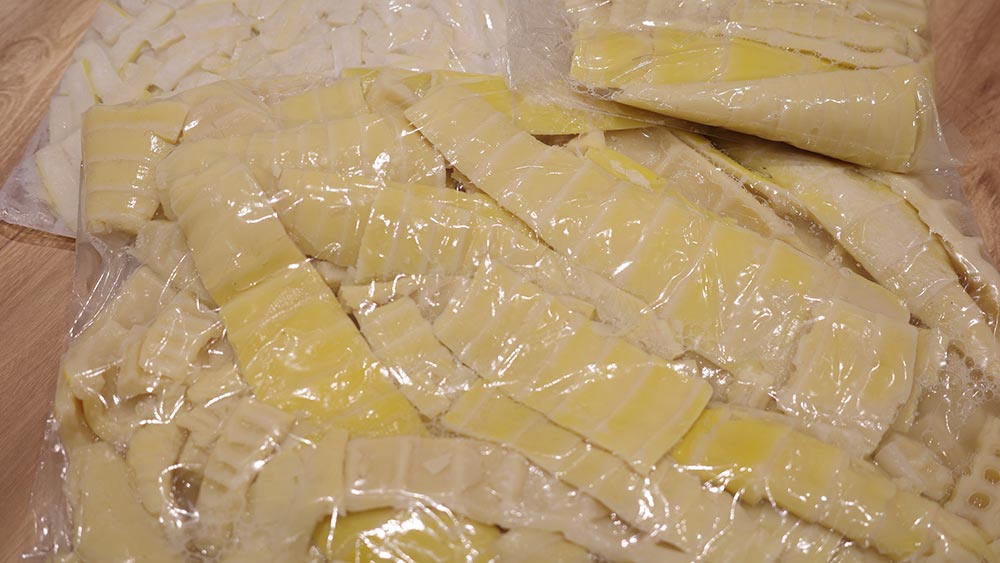
The company’s central kitchen in Kyoto City receives daily shipments of young bamboo, where it is then processed into menma. This involves peeling, cutting, and boiling the bamboo to produce a product that is both a culinary delight and a commitment to sustainable practices.
Moreover, the “Kyoto Bamboo Shoot Project” contributes to the local economy by involving a variety of community members, from bamboo cultivators to workers in the menma manufacturing process, thereby supporting Kyoto’s strategy for sustainable community-driven development.
By switching all the menma used in its 20 Kirameki no Tori stores to this locally produced alternative, the company anticipates it can resolve the issue of approximately 4,000 neglected bamboo plots. This not only helps mitigate potential environmental disasters but also revives these lands as productive, sustainable resources.
“Sustainable City Guide: KYOTO” now on sale!
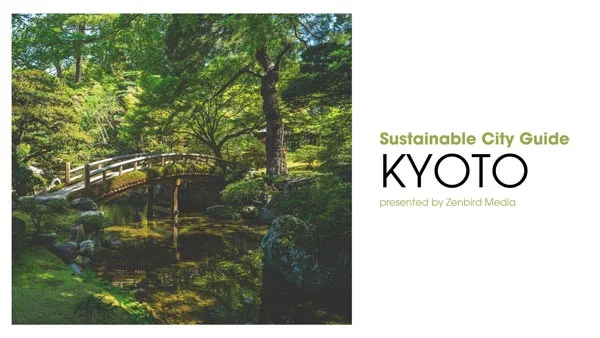
Zenbird, an online magazine sharing sustainable ideas and initiatives from Japan in English, is offering the Sustainable City Guide: KYOTO, packed with information for travelling sustainably.
Drawing on our extensive experience covering sustainable brands, we’ve curated a selection of Kyoto’s most sustainable hotels, restaurants, shops and more, all brought together in this one guidebook.
Whether you’re planning a trip to Japan and want the perfect travel companion, or simply wish to soak up the atmosphere and charm of Kyoto from afar, this guide is designed for you. Find out more and purchase your copy here!
More news from Kyoto
- 2026-02-12: Kameoka City revolutionising farming on individual-level
- 2026-01-28: Mercure Kyoto Station earns Green Key first for Kyoto prefecture
- 2026-01-27: Kyoto Environmental Festival 2026 brings climate learning to the city
- 2025-12-10: Sagano Scenic Railway civil engineering gems gain cultural status
- 2025-12-04: Charichari acquires kotobike, plans landscape-friendly share bikes for Kyoto