 Misato Noto
One of the biggest challenges for developing countries to implement circular economy approaches is the lack of proper e-waste infrastructure.
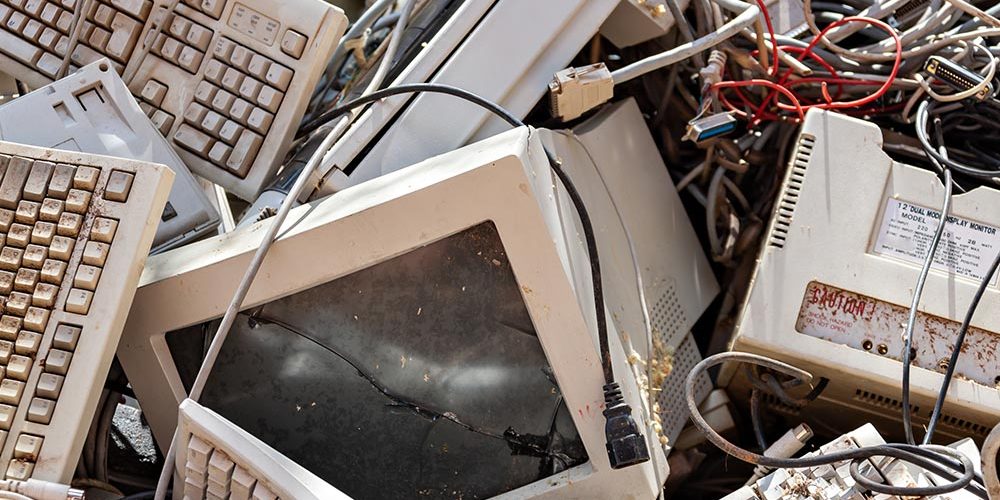
E-waste is a growing issue in West African countries like Ghana and Nigeria, where burning and dismantling of old appliances by informal workers pose serious threats to human health and the environment. Scavengers burn or cut open used electronics in open-air landfills to extract valuable materials such as gold and copper. They often process the waste without protective equipment or proper waste management skills. It, therefore, creates hazardous working environments that can cause respiratory and dermatological problems.
E-waste challenges originated with illegal exports from Europe and America to West Africa. Domestically produced waste is also increasing due to Africa’s growing demand for electronics.
While limiting e-waste generation is important, sorting e-waste in a safe manner is a circular approach that extends raw materials’ lifecycle, creates jobs and protects the environment. Nigeria is one country closing the loop on waste materials, thanks to the emergence of e-waste management companies like E-Terra Technologies. A trade partnership with the Netherlands also allows Nigeria to supply e-waste for the production of recyclable products.
Read more about circular economy in Japan
- 2026-10-26: Circular economy starts in cities: Asia-Pacific takes its first step from declaration to action [APCC 2026 Report]
- 2026-10-13: Satoyama initiative closes loop, converting food waste into fertiliser
- 2026-10-06: Meiji and TOPPAN begin paper yogurt cup recycling trial in Yokohama
- 2026-10-04: Tokyo selects three community projects to boost resource recovery
- 2026-10-01: Japan METI's Cicrular Economy Action Week begins today