 Misato Noto
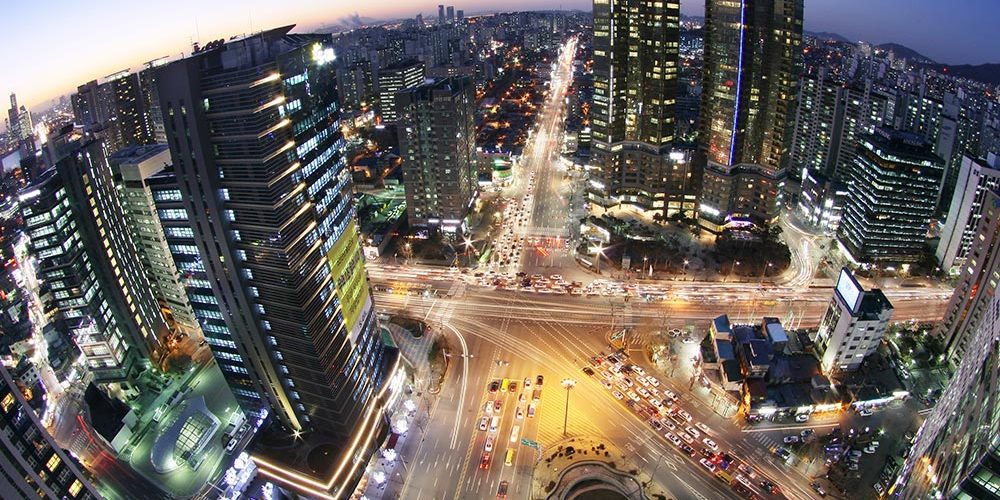
Progress towards a circular economy should include not only individual efforts through better consumption habits. Systemic change at a policy level is vital too. For example, the South Korean government banned dumping food waste in landfills in 2005. Subsequently, in 2013, it introduced a compulsory food waste recycling program. Since then, South Korean residents have been required to discard their food waste either in dedicated biodegradable bags sold at supermarkets or via pay-as-you-recycle machines that recognize each user by scanning an ID card.
As a result, South Korea now recycles 95% of its food waste, a remarkable jump from 2% in 1995. The collected waste is processed by private contractor Naen into animal feed and biogas. To reduce their waste and recycling fees, some South Koreans are taking on home composting.
The case in South Korea illustrates the significance of collaboration among consumers, companies and the government. As more governments introduce policies that incentivize waste reduction and resource efficiency, consumers’ awareness of sustainability grows. The governments’ actions, therefore, make it easier for companies to adopt circular approaches.
Read more about circular economy in Japan
- 2026-10-13: Satoyama initiative closes loop, converting food waste into fertiliser
- 2026-10-06: Meiji and TOPPAN begin paper yogurt cup recycling trial in Yokohama
- 2026-10-04: Tokyo selects three community projects to boost resource recovery
- 2026-10-01: Japan METI's Cicrular Economy Action Week begins today
- 2026-10-01: Seven-Eleven Japan begins reusing power units via remanufacturing