 Zenbird Editorial Team
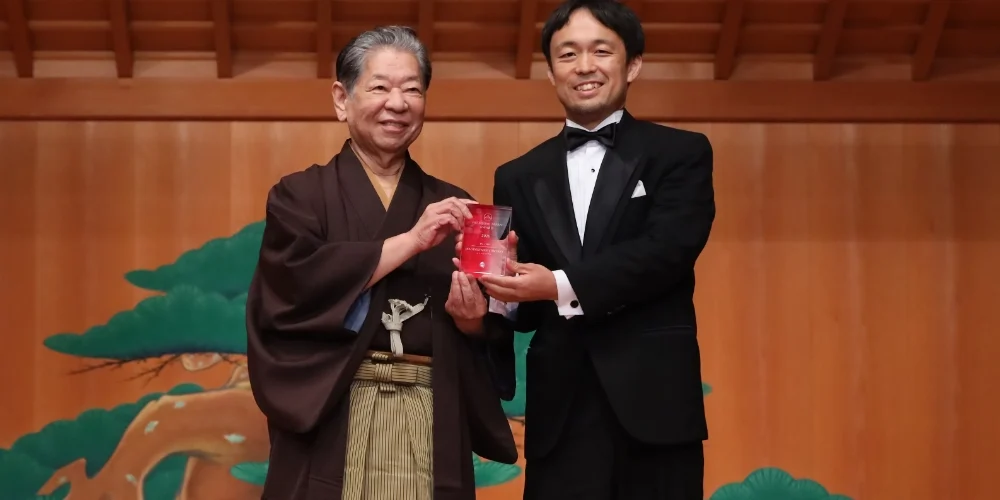
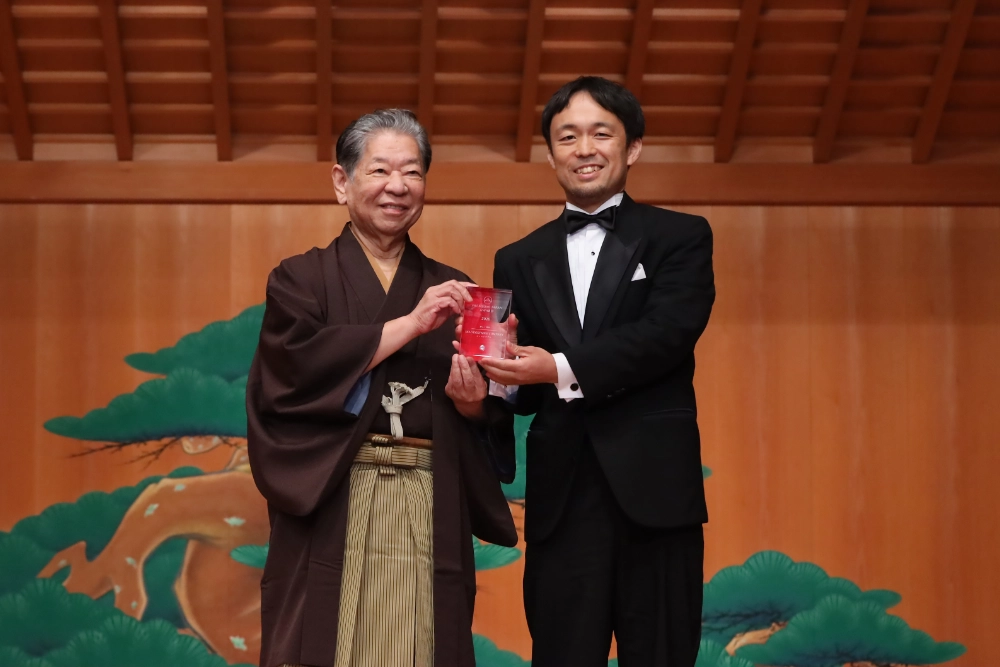
Sea Vegetable LLC has been awarded the Premium Japan Award on 1 October for its integrated business model that combines marine ecosystem restoration with culinary development.
The Premium Japan Award is organised by the Japan Cultural Promotion Organisation with support from the Japan Tourism Agency and the Agency for Cultural Affairs. It honours initiatives that preserve Japanese culture and communicate its value globally. Selection committee members commended Sea Vegetable for establishing sea-surface cultivation in partnership with local fisheries, researching underutilised seaweed species, and pioneering new culinary applications alongside professional chefs.
Japan’s coastal waters host more than 1,500 species of seaweed, the vast majority of which are non-toxic and edible. However, standard household consumption in Japan remains limited to fewer than 100 species, leaving over 1,400 varieties unutilised. Meanwhile, climate change and barren sea floors, known locally as isoyake, have caused wild seaweed beds to plummet. According to data from the Ministry of Agriculture, Forestry and Fisheries, per capita seaweed consumption in Japan has fallen by approximately 50% over the past 30 years, putting coastal ecosystems and traditional food cultures at severe risk.
To address these environmental and socio-economic challenges, Sea Vegetable established proprietary, low-impact land and sea cultivation techniques using small samples of depleted wild seaweed. The organisation operates an end-to-end model covering research, production, culinary development, and retail dining. Facilities include the Sea Vege Stand dining space in Yaesu, Tokyo, and the SEAVEGE-Kitchen Lab, where researchers and chefs explore processing, fermentation, and menu development.
To mark its tenth anniversary, the organisation also launched a nationwide co-creation project called SEA VEGETABLE CYCLE, running from October 2026 to spring 2027. The project aims to expand sustainable seaweed consumption, create coastal employment, and rebuild degraded ocean habitats across Japan.
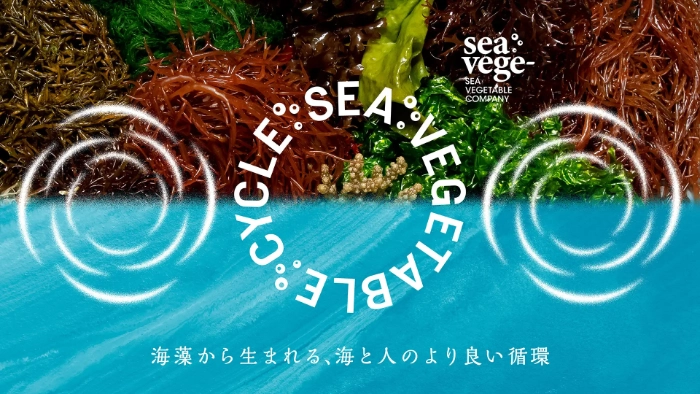
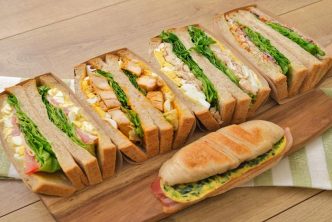
The newly launched SEA VEGETABLE CYCLE project builds on previous commercial partnerships with major retailers and department stores, including Isetan Mitsukoshi, Daimaru Tokyo, DEAN & DELUCA, and Seven-Eleven Japan. Over the coming months, Sea Vegetable will collaborate with department stores, urban developers, restaurants, and chefs to release new products, host experiential events, and run restaurant collaborations. It focuses on four primary objectives: promoting healthy living through daily seaweed consumption, developing modern culinary applications, creating regional employment in coastal processing facilities, and expanding sea-surface cultivation areas to boost biodiversity.
Sea Vegetable plans to publish an Impact Report in spring 2027 to measure and share the environmental and economic outcomes of the initiative.
[Reference] Sea Vegetable News (Japanese)