 Zenbird Editorial Team
Yogo in Shiga Prefecture is hosting an experiential eco-tour this October that brings attention to the disappearing culture of the Okunyu Valley. The tour aims to preserve “Obara-kago,” a traditional wood basketry craft, while also connecting participants with the history of abandoned villages and the local forest environment.
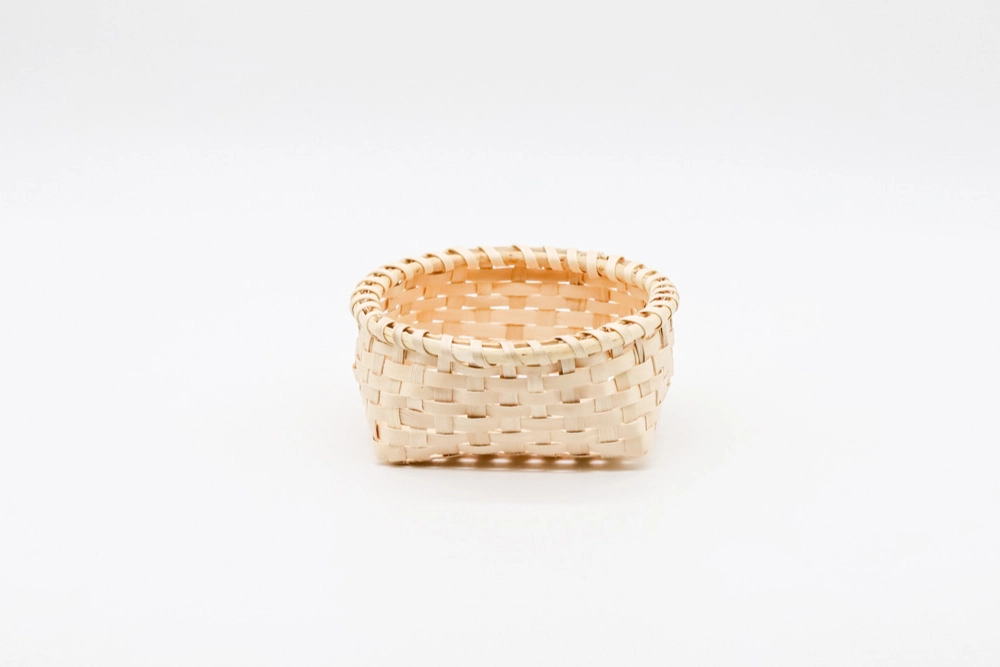
The traditional craft of wood basketry, believed to have been passed down since the Kamakura period, originated in the region’s mountain communities. The Okunyu Valley in Yogo was once home to seven settlements but were abandoned due to the decline of the charcoal industry and dam construction projects. The craft is specifically known as Obara-kago, named after Obara Village, which was the primary production site.
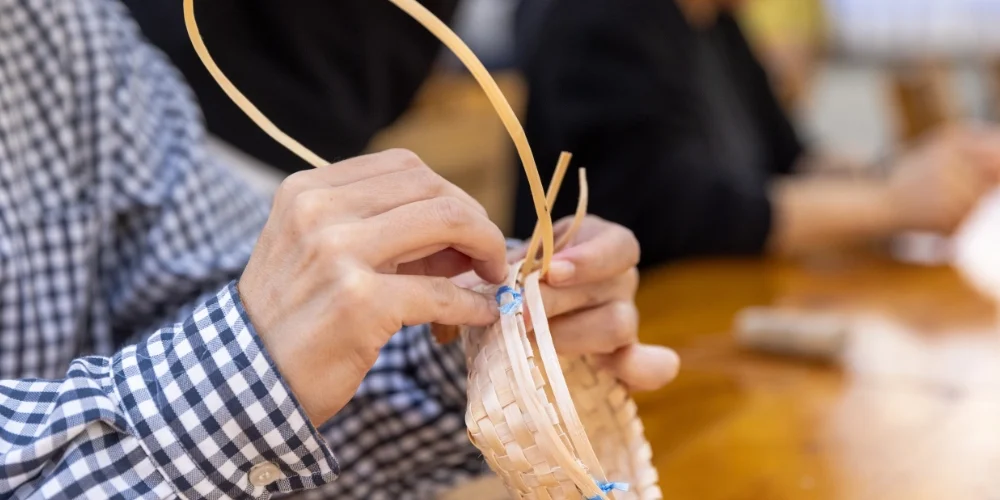
The baskets are made from the young wood of the painted maple. Artisans split the wood into thin strips and weave them by hand. Historically, this technique was a secret passed only to the eldest son of a household to support livelihoods during the heavy snow seasons. Today, this specific wood basketry culture survives only in Yogo and parts of Akita Prefecture, meaning that the rare regional heritage is at risk of extinction.
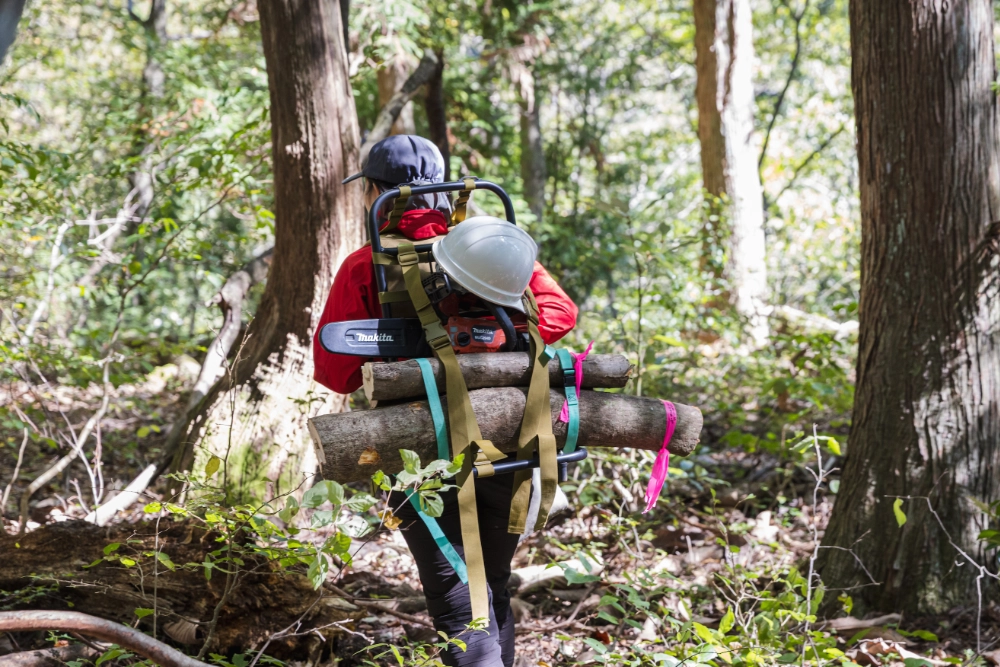
Eriko Arai of the Arai Wood Basket Workshop leads the preservation efforts. She inherited the technique from Isao Tadano, who was previously the sole remaining practitioner. Arai manages the entire lifecycle of the craft in a regenerative manner, which includes seed collection, seedling cultivation, and reforestation of the maple trees. She states that she wants to leave behind a forest where people can continue to make wood baskets 100 years from now.
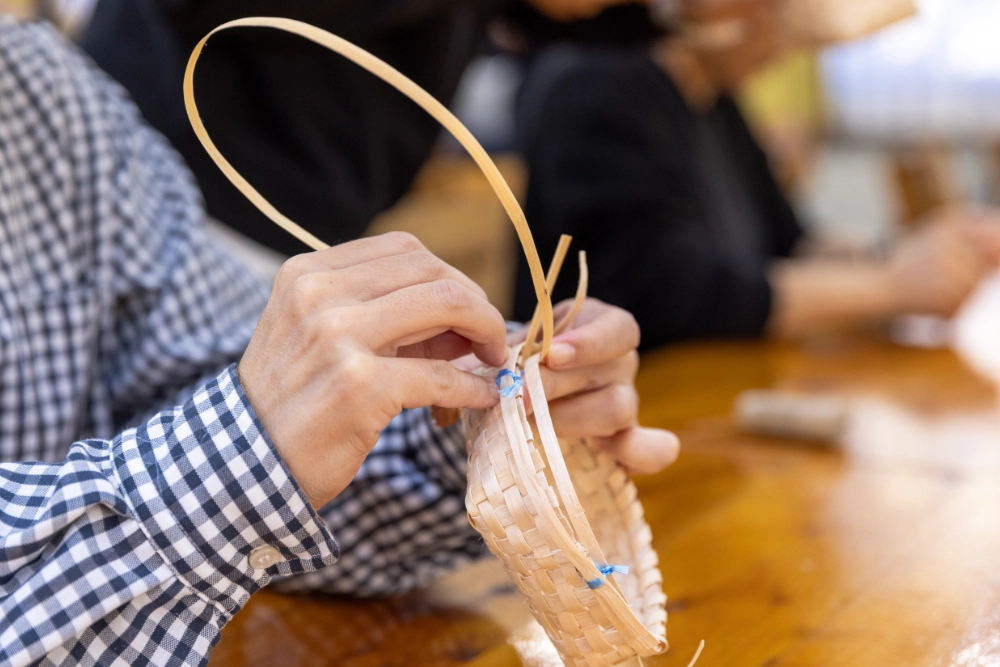
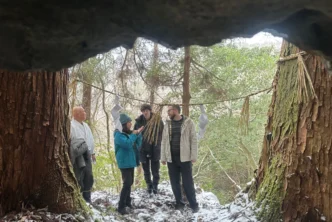
The tour, organised by Woody Pal Yogo, provides participants with the opportunity to walk through the former site of Obara Village and the surrounding forests. The programme emphasises that wood basket making begins with forest making. The organiser wants to connect participants with the natural environment and the history of the people who lived there, so they become “successors of the story” rather than being mere tourists.
The organisers also intend to foster a relationship population, individuals who maintain a continuous connection with the region. which contributes to regional revitalisation, transforming a disappearing craft into a bridge between visitors from urban spaces and rural forest conservation.
[Reference] Woody Pal Yogo Event (Japanese)