 Roger Ong
Matsuri, or Japanese festivals, are ideal for sustainability. Originally a ritual to respect kami and nature, these festivals have evolved to become a symbol for community building, a connection to nature, and even sustainable leadership!
Unfortunately, much like traditional craftsmanship and artisanship, many matsuri face decline (except for the major ones). With an estimated 300,000 matsuri in Japan, smaller festivals in rural areas are in danger of disappearing. Main issues include depopulation, a shortage of successors, the failure to pass on their value to future generations, and the need for organisational updates.
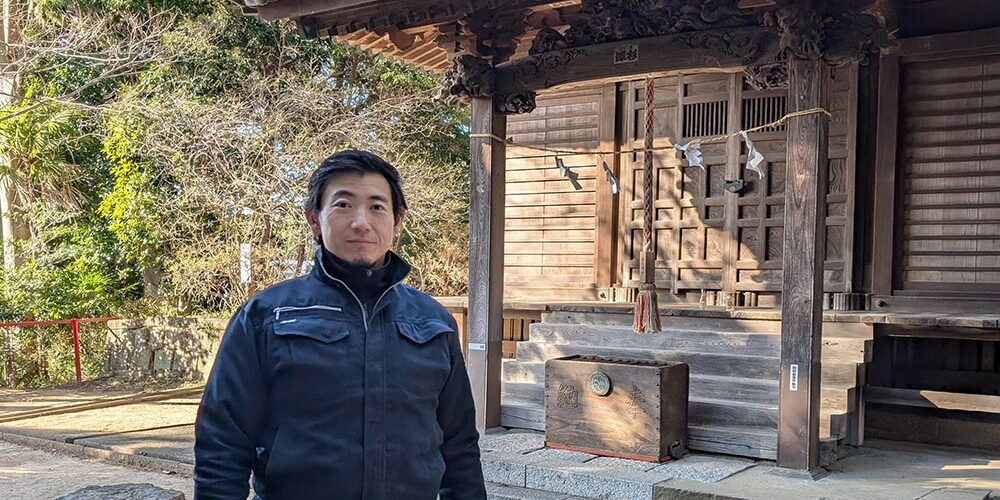
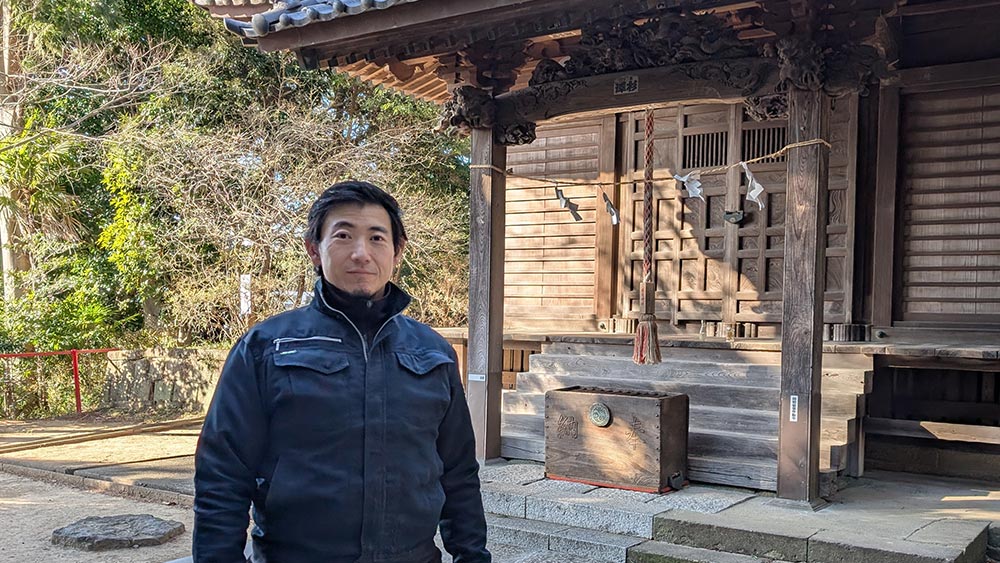
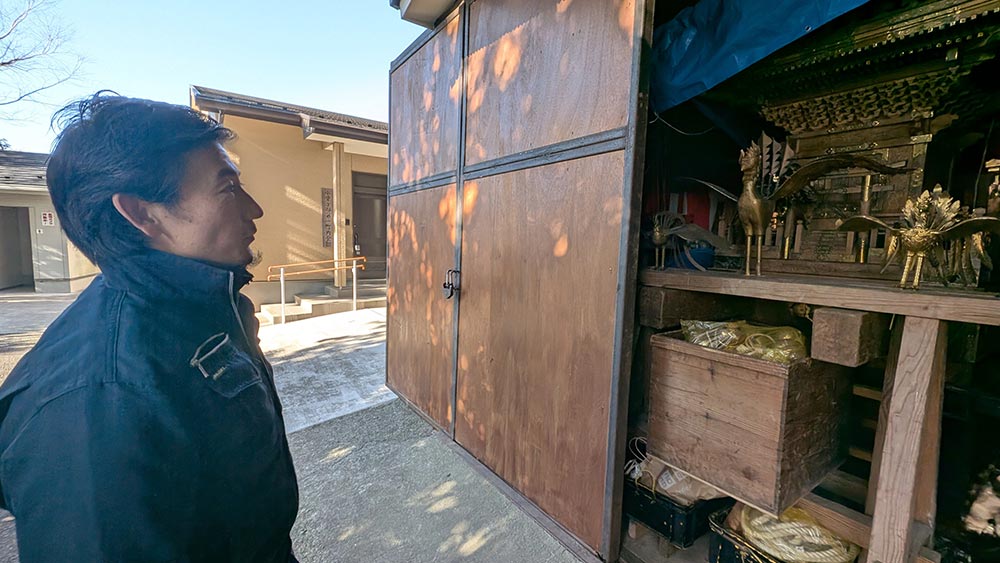
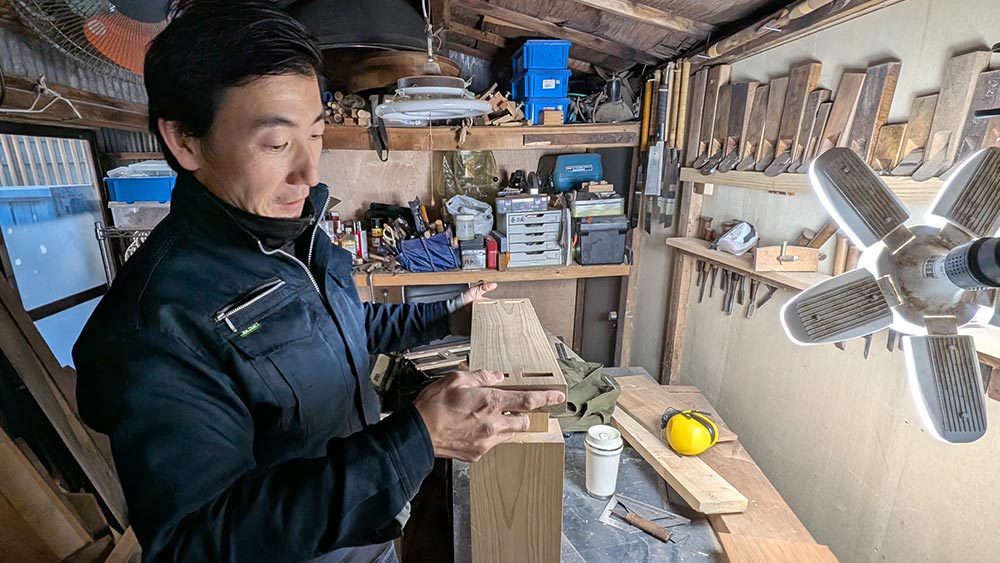
We visited the Matsuri Man, Miyata Nobuya, near Kasuga Shrine, where he shared with us his work at General Incorporated Association Asitaski, an organisation working closely with communities around Japan to preserve declining matsuri, and ensuring the value of matsuri gets passed on to the next generations.
Asitaski and Matsuri Engine
Miyata founded Asitaski out of his love for matsuri. Positive childhood memories reinforce his desire to pass on the excitement and joy he experienced from these festivals to the next generation.
In rural areas remote from urban centres, depopulation has led to the decline of traditional practices. Matsuri, which serve to preserve old traditions and cultural heritage, face the same decline.
Under the name Matsuri Engine, Miyata and his team offer various forms of support to Shinto shrines and matsuri across Japan and maintain a network for matsuri organisers. Other activities include holding festive processions overseas and managing events.
Declining traditions that Japan must hold on to
The need to protect matsuri around Japan is about more than merely preserving traditions and culture. These festivals embody the ideals of a sustainable lifestyle in both social and environmental terms. We will explore this further in the article and discover additional wisdom that can be drawn from matsuri. Yet, it is disquieting to realise that there is also a decline in the value placed on them. It began when we became detached from nature.
Miyata: “Modern life is changing, and fewer people feel gratitude towards the local land or kami [loosely meaning ‘god’]. Many may not think, ‘We’re being protected’ or ‘Taking care of the kami brings benefits’ if they have no personal experience of it. Without such experiences, there is little motivation to protect a shrine.
“However, for those who are in agriculture or fishing, they live day to day relying on the weather and other uncontrollable forces. Nature allows them to harvest crops each year, catch fish, and so on. That kind of gratitude remains meaningful.”
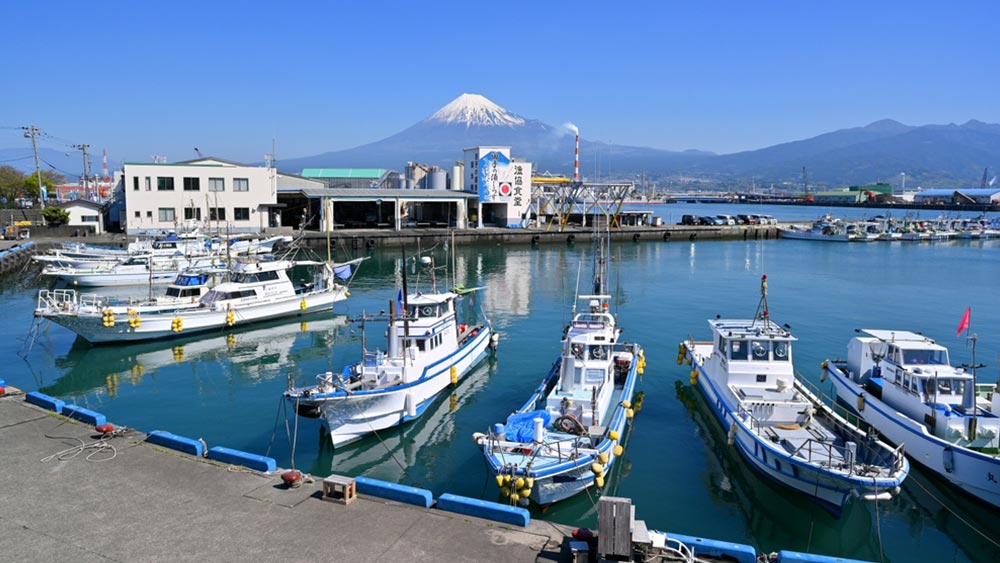
Modern life is exceedingly convenient. It’s too convenient to buy what we don’t have, and have too few opportunities to feel nature or anything beyond our control. But matsuri can help us make the connection, and thus has value in the modern world.
Miyata: “For instance, you might unexpectedly meet various people, or feel refreshed when you visit a shrine. Even now, shrines still have value and a valid reason to exist.
“I think it is very important for those who wish to protect shrines to create numerous opportunities and triggers that enable people to experience and sense that value. We need to take on the challenge of making the festival known to those who are unaware of it, including children who have not yet experienced it. Only then will it be possible to pass these traditions on to the next generation, and I feel it is [Asitaski’s] calling,”
What is matsuri? Shinto, nature and coexistence
In Shinto, the word kami is often lost in translation when rendered as “god.” Shinto is a belief that emphasises kami (spirits or deities) and has deep connections to nature. And Shinto festivals are often part of rituals that express gratitude to nature.
But it is difficult to fully claim that Shinto is a religion, and matsuri as purely a religious activity. Legally in Japan, Shinto is considered a religion. However, unlike Islam or Buddhism, there is no scripture, no “holy word”, that functions as a commandment. Instead, the tradition is passed down from generation to generation by word of mouth.
Miyata: “There are many people in Japan who say they do not believe in Shinto, yet they still go for hatsumode (the first shrine visit of the New Year), participate in festivals, and say ‘itadakimasu’ before meals. These customs carry an underlying concept of the divine. Culturally, people routinely engage in acts that are religious in nature, even if they do not identify them as such.”
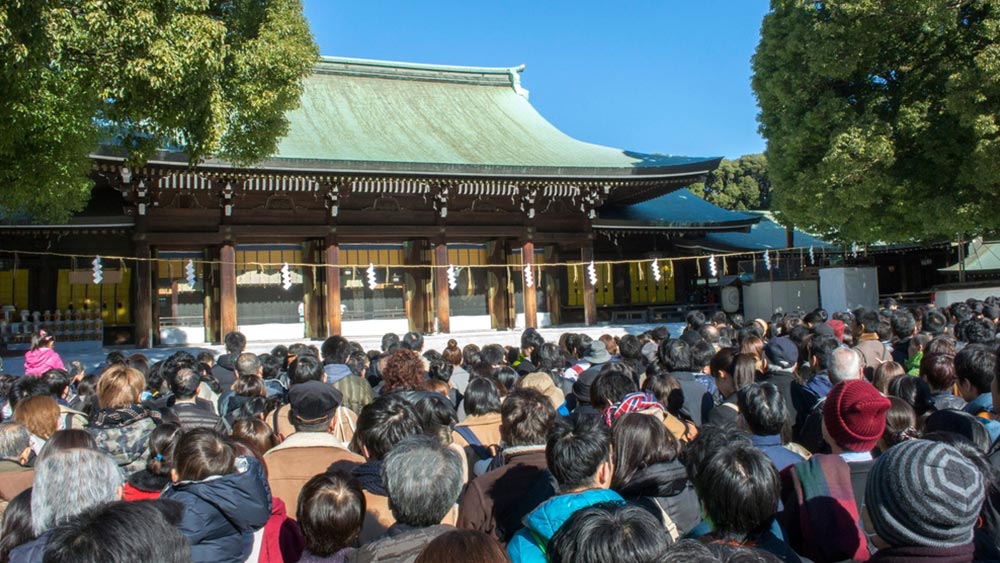
In ancient Japan, Shinto shrines were sacred sites located away from residential areas to preserve their purity. People would bring offerings to these sites, inviting the kami and performing for them. Such events were called matsuri. Nearly all rituals at the shrines were considered matsuri, as the term referred more to the preparations and process than to the festive mood.
At matsuri, auspicious words are recited for good fortune, food is offered, and entertaining kagura (ritual dances) are performed. The festival reaches its peak when the deity is carried in a mikoshi (portable shrine) and parades through the town and observes the lives of the people. It is hoped that blessings for prosperity, safety, and the well-being of communities will be bestowed.
Of course, the rituals differ depending on local culture and beliefs. They range from the famous Tokushima Awa Dance Festival, to the Okayama Coriander Offering Festival, to Gifu’s Tejikara Fire Festival, to the Sacred Tree Festival, which takes place every 20 years. In fact, a rehearsal was recently conducted in preparation for this year’s Sacred Tree Festival, which we discussed when we visited its forest for a tour on shinrin-yoku (forest bathing).
Matsuri and Community
Matsuri serve as an ideal medium for building resilient communities. This has been the case since ancient Japan, when people gathered at Shinto shrines for social events such as matsuri and as safe havens during disasters. The communal effort to hold matsuri annually also builds camaraderie and strengthens bonds among residents.
Miyata: “In the past, people regarded nature as something divine, expressing gratitude and maintaining a relationship through regular worship. In modern life, however, surrounded by man-made objects, it has become harder to experience that sense of connection. Therefore, especially in urban areas, festivals can serve as catalysts for community building, contributing to disaster prevention, crime prevention, education, and other areas that government and private businesses alone cannot fully address.”
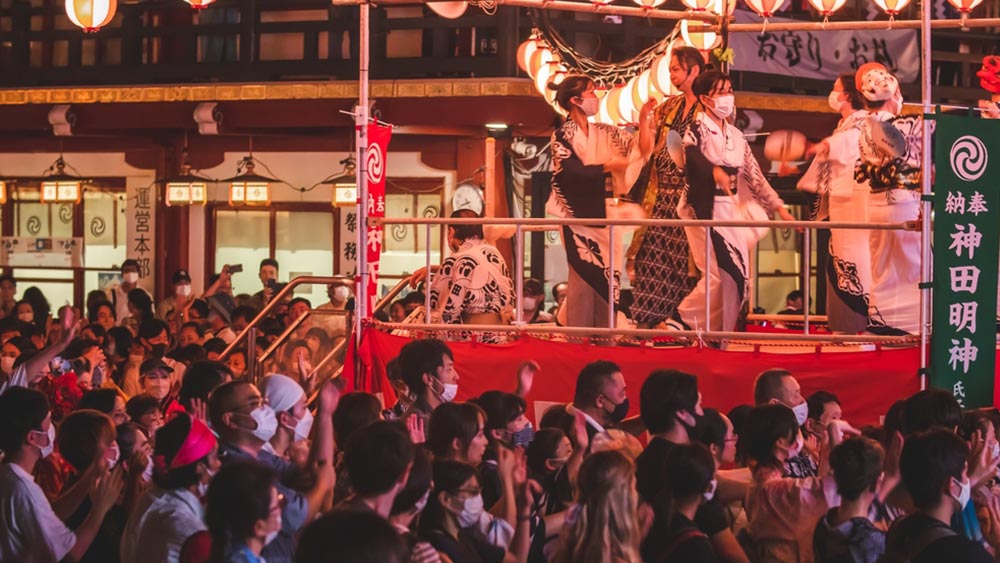
Asitaski understands that a virtuous cycle in a supportive and resilient community means that members find both happiness and purpose.
Miyata: “It is important to us that more people become involved with the shrines’ matsuri. The crucial point is that these individuals begin to develop ideas such as, ‘I’d like to do something in this neighbourhood’ or ‘I want to try a new project.’ Perhaps they had never thought this way before, but once they experience working as a team and combining their energy for a festival, they start realising, ‘With such a powerful team, maybe we can do something else.’
“We have an unwritten rule that we fully support anyone’s wish to try something new. That desire might never have emerged without matsuri. And to make it happen, you need a supportive community around these festivals, which in turn leads to personal fulfilment.
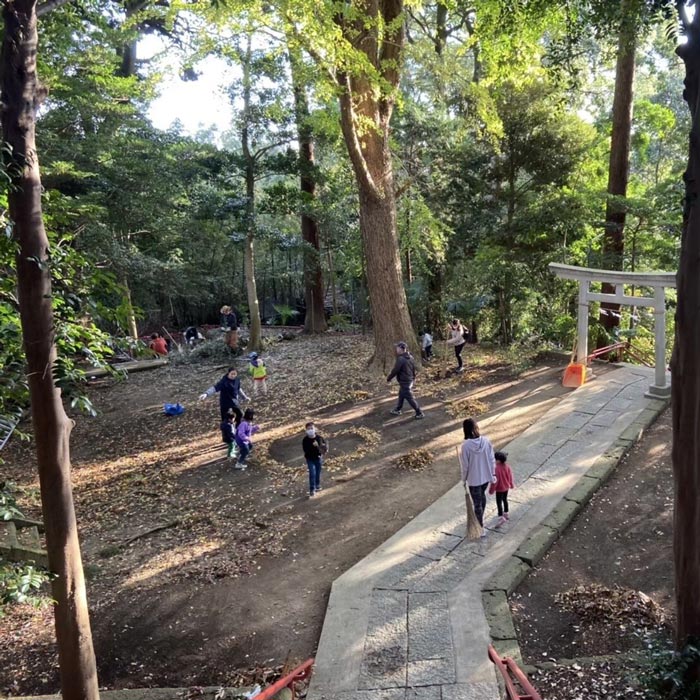
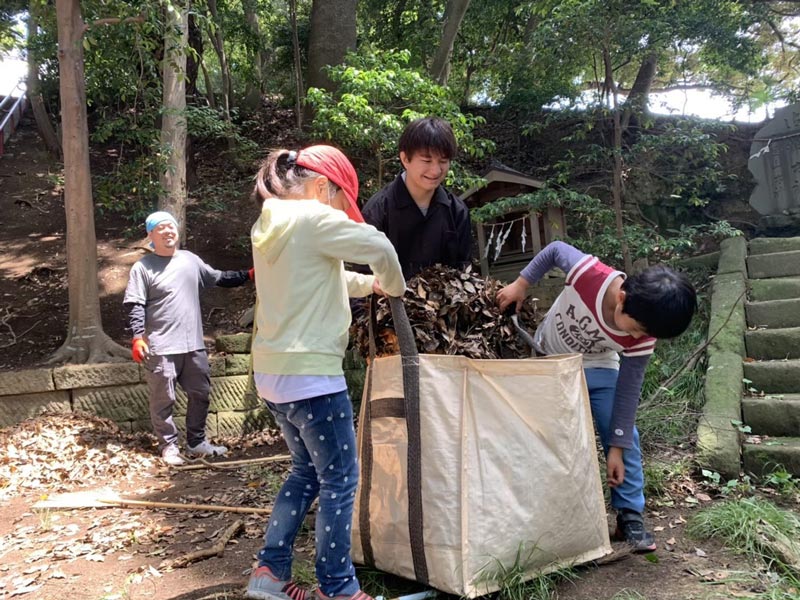
“Thus, we focus on making the festival day itself incredibly enjoyable and a resounding success, not merely as a one-off event such as Halloween. The real goal is for those involved to be happier in their daily lives because of their participation before and after the festival. That is where the festival draws its powerful energy, from generations past who have cherished it. By continuing activities such as taiko drumming and shrine clean-ups, and by connecting with new people who say ‘I love festivals’ or ‘I want to help,’ we can generate a kind of spiritual energy for the community. Through those connections, people’s lives become richer.”
Matsuri and Nature
Although the numbers are not officially compiled, it is estimated that there are about 300,000 festivals in Japan, including Shinto matsuri. But not everyone participates in matsuri, especially those involving nature. It is unfortunate as these matsuri are opportunities to experience the relationship between humanity and nature.
Miyata: “In big cities, there aren’t many forests left, so you can’t really tear down houses to restore a forest. Conversely, in the countryside, the festivals that still remain often have deep ties to nature.
“For example, there’s a festival in Tokushima we’re involved with that venerates a water deity, and the sacred object of worship is a massive waterfall deep in the mountains. Interestingly, the people who treasure that shrine include fishing communities far out at sea. This is because the water, flowing from the mountains along the river until it reaches them, is rich in nutrients. Thanks to that, fishermen can catch fish and engage in aquaculture, like oysters and so on, things that are impossible without mountain water.
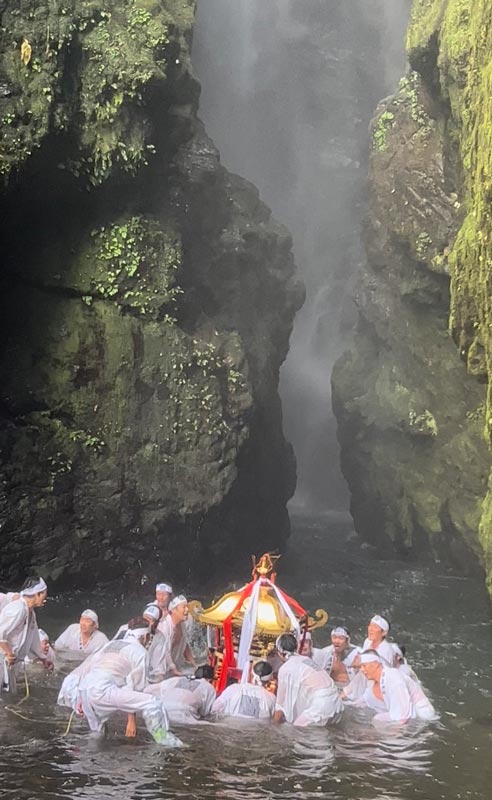
“For their livelihoods to continue, the forest in the mountains must remain healthy. If the water is dammed or the forest is cut down, their way of life cannot be maintained. Thus, they are strongly aware of the need to protect both the mountain water and the marine environment. Such attitudes and lifestyles continue today, and shrines or deities remain closely linked to these beliefs. In ancient times, people might have simply thought, ‘Because there is a god,’ but now science explains that a healthy forest makes river water nutrient-rich, thereby supporting abundant life.
“Festivals hold much traditional wisdom about what is needed to preserve the overall environment and local way of life. People are gradually rediscovering that. If we gain a clearer understanding of those hidden principles like how things are structured, the festivals, shrines, and deities might offer insights or ways to address the challenges humanity currently faces. Some shrines have been preserved in close connection with nature, and we are also working on activities to protect and support such places.”
Matsuri and Leadership
Something Zenbird is interested in is the leadership in organising matsuri, as the Japanese term for “politics” has its roots in these festivals. It turns out that matsuri have a strong influence on sustainable leadership.
Miyata: “I have met many people in charge of organising festivals, and they have all experienced a shift in mindset over time. At first, they simply love carrying the mikoshi and attend for fun. But once they are in a position to ensure others have fun, the boundaries between ‘public’ and ‘private’ begin to merge.
“People in top festival positions start to resemble politicians. Not that they are running for office, but because public and private interests gradually blend. When you do things for the local area or for those involved in the festival, it ultimately benefits you personally. You feel happy because everyone else is happy, and that unity of interests grows over time.
“A festival leader might be responsible for hundreds of people, much like how politicians serve the citizens and prefectural residents. If we restore the true meaning and value of festivals, especially in Japan, small villages where everyone participates will emerge, and the festival and the community become virtually one. Making the festival a success is also about strengthening the community. Politicians should pay attention to festivals because improving a village is akin to bolstering its festival.”
Miyata admits that it can be hard for matsuri to reach everyone, especially in big cities. Nevertheless, he wants to continue elevating the value of festivals and making them more discoverable in order to support matsuri that will endure for the next century in Japan’s history.
Problems that matsuri face today
Matsuri are a crucial engine of sustainability in an era of crises. For these festivals to persist successfully into the next century, several obstacles must be addressed.
Matsuri faces the similar issue with Japanese craftsmanship. Depopulation makes it difficult to attract new talent to continue the work of the shrines, and it is hard to generate income in less populated regions. Other unique issues include how to enhance the perceived value of matsuri.
Miyata: “There are many things that only matsuri can achieve. Especially in an urban environment like Yokohama, fostering a community centred around these festivals offers truly special experiences that cannot be replaced by extracurricular lessons or spending money at Disneyland.
“For example, on festival day, children may walk with a mikoshi (portable shrine), drumming the rhythms they have practised. Working hard all day and being told ‘Good job!’ by so many adults is extremely encouraging. Knowing that everyone in the neighbourhood recognises and supports them is a truly special experience.
“Meanwhile, the community has 364 other days to grow together: people from different backgrounds take on various challenges, engage in enjoyable activities, or even work on local issues, all in the lead-up to the festival day. Through this, children gain experiences that they cannot have at school. They learn how to interact with others, including toddlers, the elderly, adults outside their usual circles. They even acquire skills such as leadership, which are not necessarily taught in a standard school framework but can be nurtured by the local community.
“When everyone in a community shares the same purpose and goal, it is precisely where matsuri play a role. As we begin to recognise the value of festivals, even local government officials, who previously would not have given much support, can find reasons to help. For instance, knowing how matsuri benefit children’s education or encourage mutual assistance after natural disasters. In a close-knit community, people can help one another in times of criminal activity or emergencies, with adults watching over children, greeting them, and ensuring a safe neighbourhood.”
Another issue is how traditional organisations centred on matsuri are managed. Very often, these organisations are headed by elderly individuals who prefer to retain the status quo, aiming for a ‘peaceful’ transition after their three-year tenure.
Miyata: “These representatives tend not to take on bold new challenges, and the leadership changes every few years. They don’t push for new initiatives, and as a result, there’s no renewal or progress.
“To tackle this structural problem, we introduced a third, neutral organisation that draws a lot of people, especially young ones, and makes a positive impact on the community. We’re free to attempt all sorts of challenges, and people want to have fun, so we keep growing and evolving. There’s no three-year rule or a single charismatic leader. Everyone discusses things, and progress is not held back. We’re always thinking about the future of the community, be it ten years or 100 years from now, and how the festival can continue. We’re setting up a structure that can keep going well into the future.”
Future plans for Japan’s matsuri
Despite all the work that Asitaski has been doing, much remains to be done. Miyata wants to ensure that the love for matsuri is continued by the next generation.
Miyata: “Right now, many local communities face serious questions about what to do with their matsuri. Especially after COVID-19, many festivals have disappeared, and many are still uncertain about their future. We have received numerous inquiries from people who love matsuri and want to preserve them. We want to create a platform where these groups can connect, learn about one another, and support each other—not just for now, but for the future.
“Middle and high school students who love matsuri now will eventually become adults in the future, shifting from ‘enjoying’ to ‘organising.’ Suddenly, they will realise how much know-how is needed and feel daunted by handling it alone. However, if there is a platform where they can receive advice or learn from the experiences of older members, it could propel them forward. We are currently building and expanding such a network so that we can pass on the tradition of matsuri to the younger generation. We ourselves still have much to learn. At present, we are also visiting elementary schools to teach children about festivals, because if we do not create opportunities for them to learn about festivals, we cannot pass these traditions on. That is why we plan to keep organising activities that spark interest in young people.”
Editor Notes
Each region has its own detailed customs, so it is hard to provide a one-size-fits-all answer. However, since festivals are religious events that involve deities, we hope visitors will act respectfully. It may be helpful to ask local people questions or do some research beforehand.
However, festivals are also welcoming. For example, bon odori dances are relatively open to everyone, so anyone can join in, and there are many stands and stalls to enjoy the atmosphere. Although bon odori originally began as a way to welcome one’s ancestors, the religious aspect has faded over time. For a deeper understanding, I recommend learning a bit about festivals and then attending a shrine festival as well.
[Website] Asitaski Homepage (Japanese)[Website] Matsuri Engine (Japanese)