 Zenbird Editorial Team
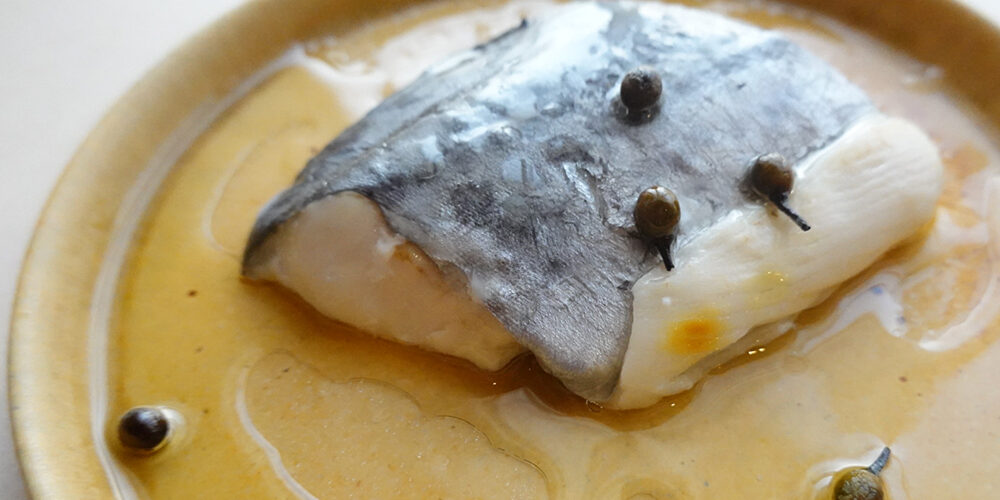
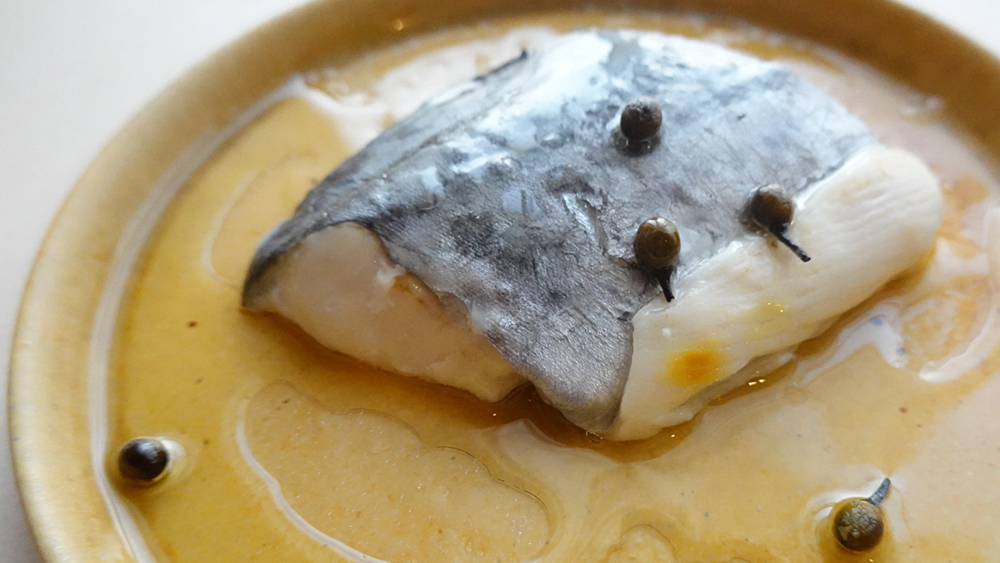
Nihon Kusaki Lab has partnered with the major food subscription service Oisix ra Daichi Inc. to launch a new food product utilising a native tree species previously regarded as waste. The product “Maqaw-scented Spanish Mackerel in Oil” is the first commercial outcome of their collaboration to bring the flavours of the Japanese forest to the dinner table.
The collaboration originated from a pitch contest held in February this year, where Nihon Kusaki Lab presented the potential of underutilised forest resources. Vast areas of the country are covered in artificial monoculture forests, primarily cedar and cypress. Within these plantations, other native species such as Aomoji often grow naturally. However, these trees are typically classified as zatsuboku (nuisance or weed trees) and are cleared and discarded by forestry workers to protect the timber crop.
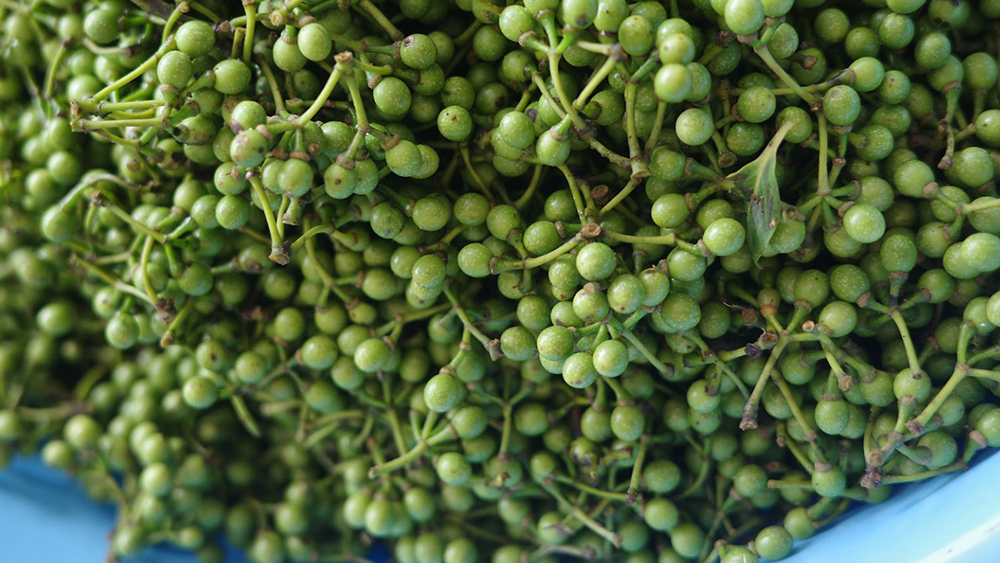
Nihon Kusaki Lab identified that the fruit of the Aomoji tree, known in Taiwan as the rare spice “Maqaw,” possesses a distinct, refreshing scent combining citrus and pepper notes. The concept resonated with the development team at Oisix, leading to a six-month joint development period. The resulting product is a confit of Spanish mackerel that highlights the unique aroma of domestic Maqaw.
Nihon Kusaki Lab’s “One Company, One Plant” (Issha Issoumoku) concept encourages companies outside the forestry sector to adopt a specific forest plant species and incorporate it into their supply chains. The strategy intends to create a direct link between corporate economic activity and forest biodiversity. Oisix plans to expand the use of domestic Maqaw into its flagship meal kit service, “Kit Oisix,” aiming to make the spice a household staple.
[Reference] Nihon Kusaki Lab Notice (Japanese)