 Zenbird Editorial Team
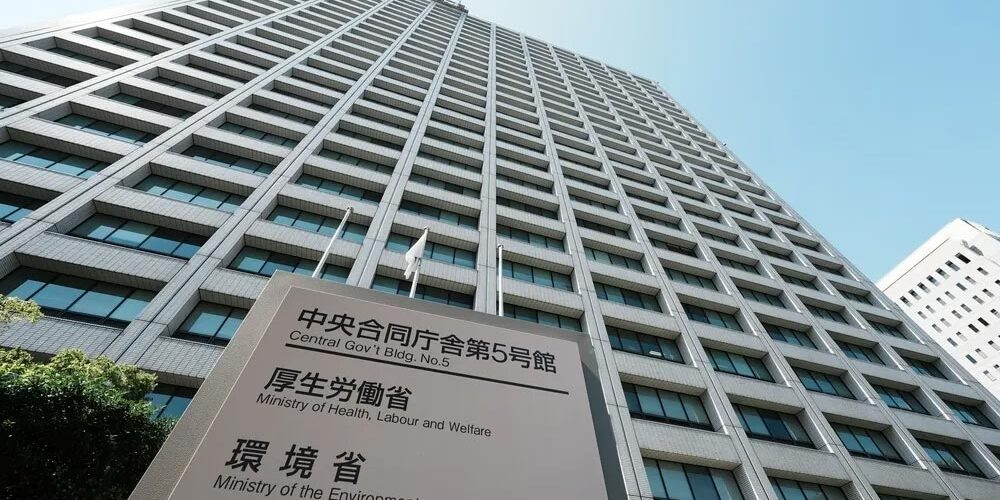
On June 20th, Japan’s Ministry of the Environment published a new policy outline aimed at significantly expanding the nation’s reuse market, a key component of its circular economy ambitions. The “Direction for a Roadmap for the Promotion of Reuse” sets out a comprehensive, four-pronged strategy to engage consumers, support businesses, and empower local authorities.
This is a push by the government to grow the circular economy-related business market to 80 trillion yen by 2030. Although Japan’s reuse market was valued at approximately 3.1 trillion yen in 2023 and is projected to grow to around 4 trillion yen by 2030, a recent consumer survey revealed that 71.2% of respondents had not purchased any second-hand items in the past year. The new policy directly addresses this gap between market growth and consumer behaviour.
The proposed roadmap is structured around four key pillars. The first aims to stimulate consumer engagement through national campaigns, such as a designated “Reuse Month,” and enhanced environmental education for students. The plan also includes a programme to select and support “Leading Reuse Municipalities” (tentative name), whose successful models can be replicated nationwide.
To create new demand and expand the market, a second pillar will support the development of business models focused on product-life extension, such as sharing, repair, and refurbishment services. The ministry will also consider revising the Green Purchasing Law to expand criteria for reused goods in public procurement, leveraging the government’s significant purchasing power.
To bolster market confidence, a third pillar focuses on enhancing the reliability of reuse businesses. The government will establish Japan’s first “Good Practice Guidelines” for reuse businesses, collaborating with online platforms to promote trustworthy operators. Concurrently, it will support local authorities in taking stronger action against unauthorised waste collectors to improve market integrity.
Finally, the ministry plans to build a solid foundation for reuse by making its environmental benefits visible. This includes developing a collection of case studies for calculating the greenhouse gas emission reductions achieved through reuse. A two-year intensive survey, running until 2027, will also be conducted to address challenges related to the domestic and international trade of reused goods.
The Ministry of the Environment will now establish a working group to define specific targets and indicators. A draft of the full roadmap is expected to be presented in November 2025, and the ministry aims to finalise and release the official roadmap during the 2025 fiscal year. This policy signals a strategic government effort to build a robust framework for a circular society by tackling consumer awareness, business innovation, and governance in unison.
More on circular economy in Japan
- 2026-03-05: Sangetsu and TEIJIN FRONTIER launch horizontal recycling system for curtains
- 2026-03-03: Takenaka Corporation releases Circular Design Build Concept Book
- 2026-03-03: Sustainable craft gin supporting Hakuba Village forest preservation
- 2026-02-28: FamilyMart stores soon to become reuse hubs for Bookoff services
- 2026-02-19: Japanese craftsman launches Repair Glass upcycling broken wine glasses