 Misato Noto
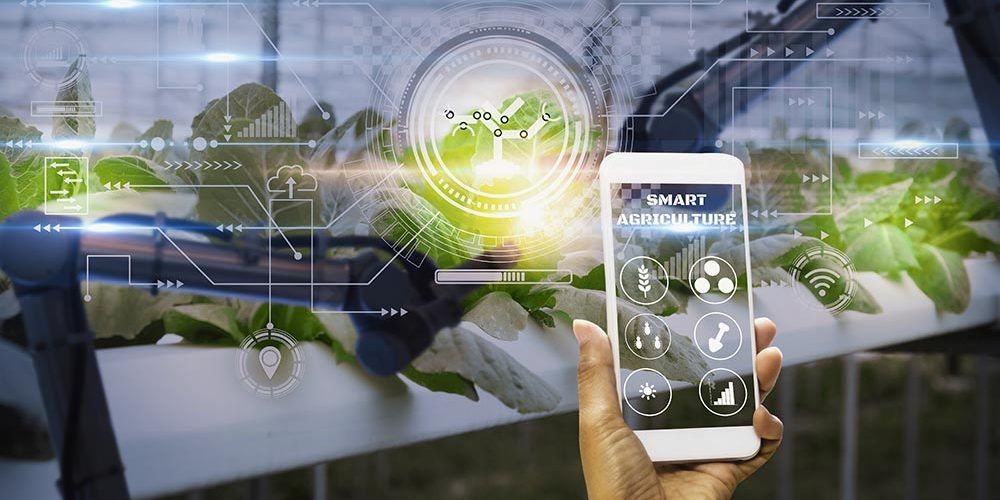
With the introduction of artificial intelligence technologies, farmers can improve the efficiency of their operations. As a result, they can increase the quality and quantity of their harvests while minimizing the environmental impact.
In Uganda, for example, the emergence of a crop-destroying caterpillar that threatened cornfields was conquered by a machine learning-based application called Farmers Companion App. A handful of talented local developers were behind this project. Firstly, they collected images from nearby fields with their smartphones. They then sorted and categorized them to train and improve the accuracy of the AI model. This free app detects the presence of the crop pest and also its lifecycle stage. Additionally, the app recommends specific pesticide treatments that stop the worm from spreading any further.
AI technologies also help farmers target chemical use and choose the optimal conditions for crop growth. Early detection of nutrient deficiencies narrows down the affected areas, avoiding misuse of fertilizer that can adversely affect plant growth.
Read more about circular economy in Japan
- 2026-10-13: Satoyama initiative closes loop, converting food waste into fertiliser
- 2026-10-06: Meiji and TOPPAN begin paper yogurt cup recycling trial in Yokohama
- 2026-10-04: Tokyo selects three community projects to boost resource recovery
- 2026-10-01: Japan METI's Cicrular Economy Action Week begins today
- 2026-10-01: Seven-Eleven Japan begins reusing power units via remanufacturing