 Roger Ong
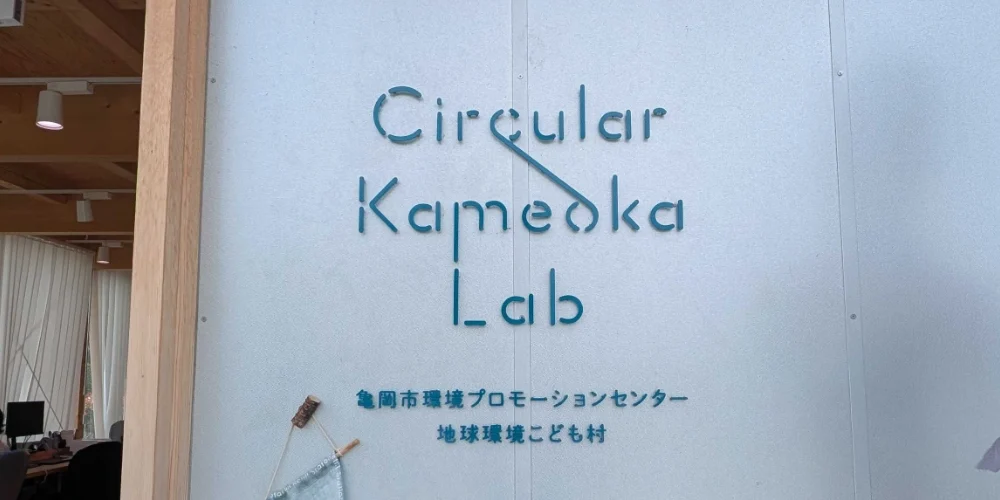
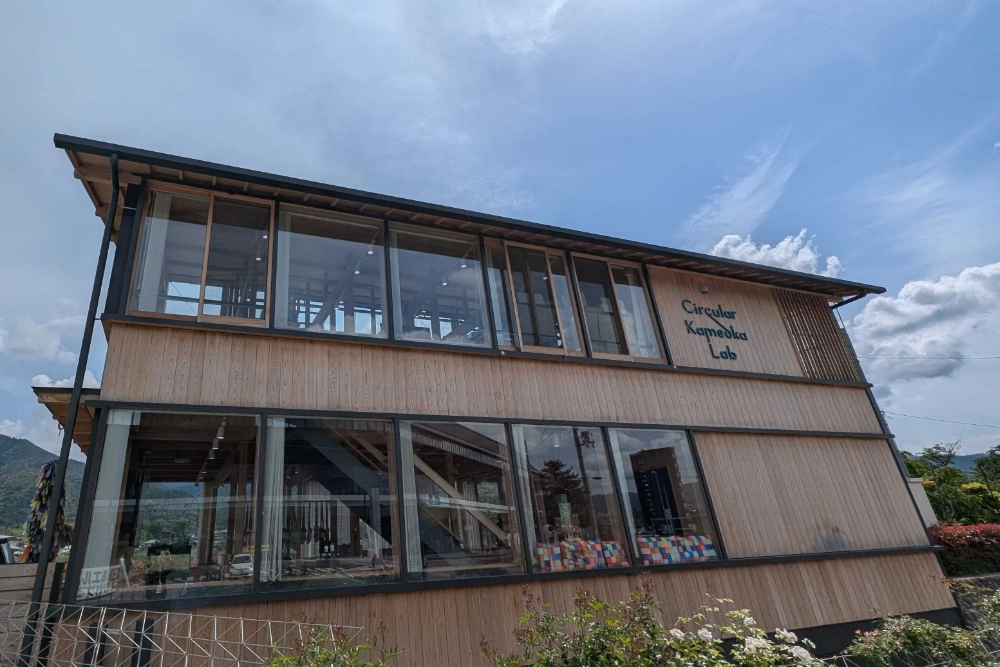
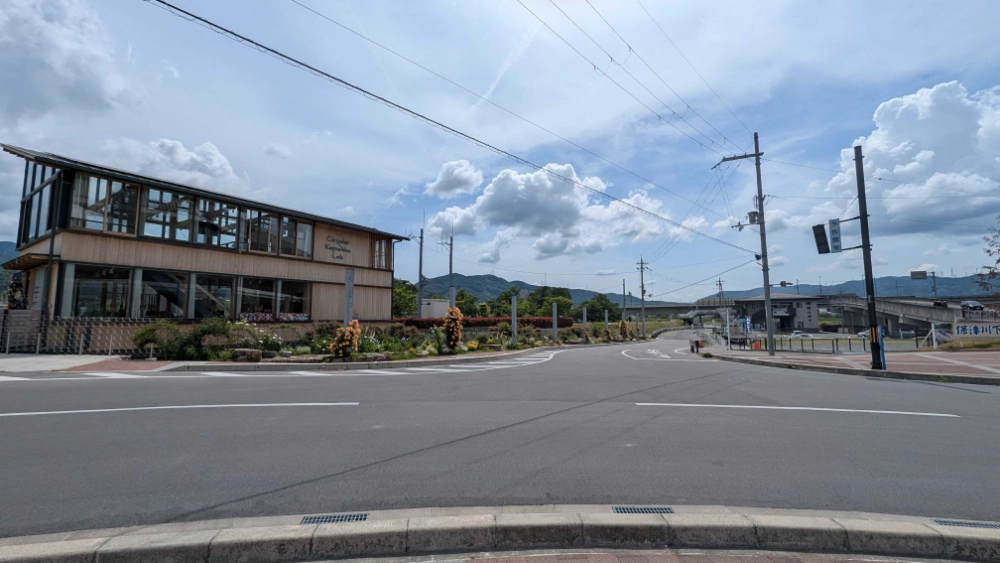
You’ve bought your ticket for the Hozugawa River boat ride, the famous eight-kilometre run through the gorge that ends near Arashiyama. If there’s time before boarding, just a minute’s walk from the pier is a a low timber building that opens straight onto the same river. It’s the Circular Kameoka Lab, where you get to see all the circular and sustainable efforts in Kameoka City, all in one place?
What is the Circular Kameoka Lab?
Circular Kameoka Lab is the city’s Environmental Promotion Centre, opened on 1 August 2024 and run directly by Kameoka City’s Environmental Policy Division. It was built with hometown tax donations from across Japan, earmarked by donors specifically for Kameoka’s environmental work.
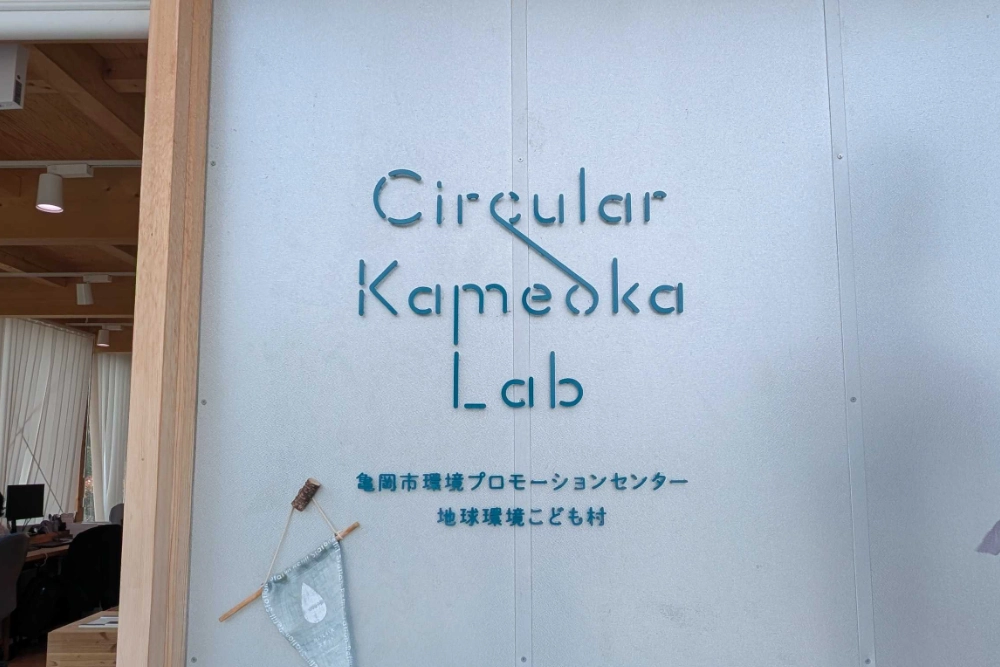
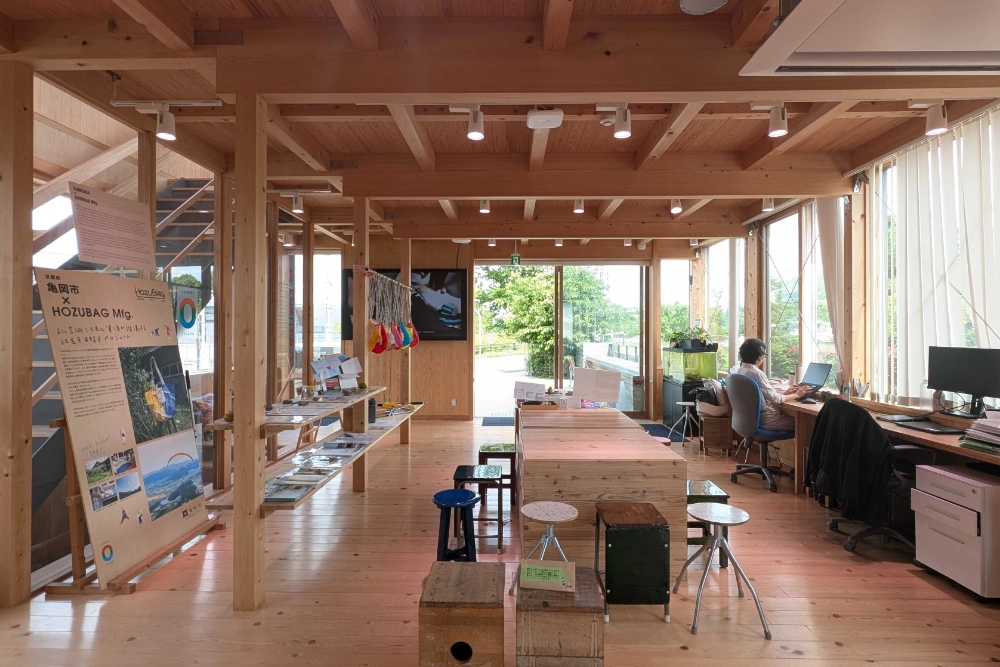
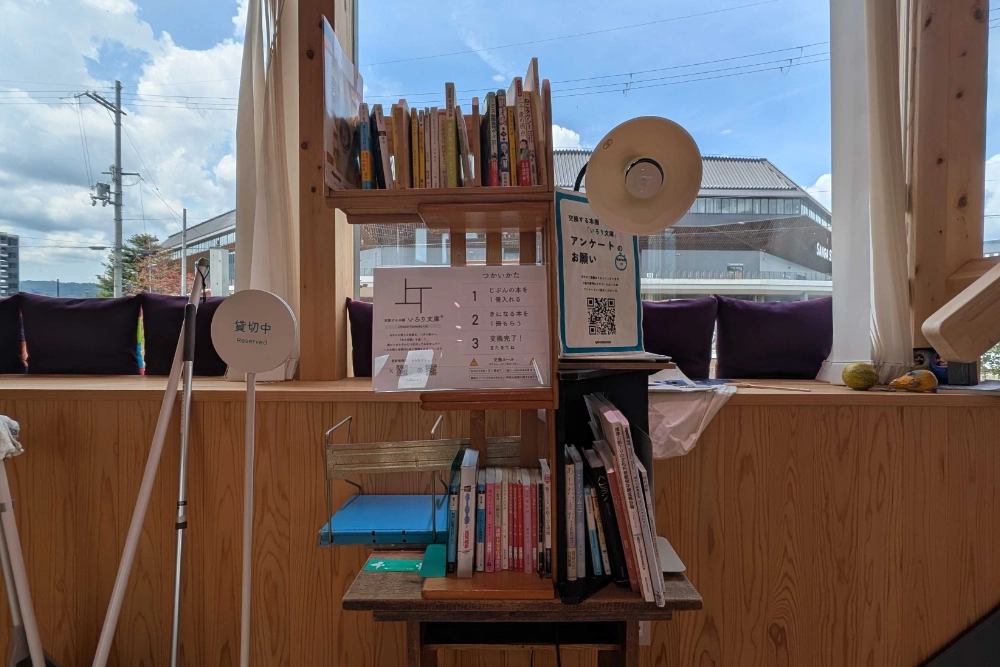
The name “Lab” is as it suggests: a laboratory for actively knowing, experiencing, and meeting people around circularity. The building’s fittings are circulated resources, including the chairs, desks and shelving that were upcycled from the closed former Betsuin Junior High School by students from Kyoto University of the Arts.
The city’s circular and environmental push traces back to 2004, when Hozugawa boatmen grew tired of pulling plastic waste out of the river and started their own clean-ups. That grassroots effort eventually produced Japan’s first ordinance banning the provision of plastic shopping bags, a bag charge introduced 11 months ahead of the national scheme, SDGs Future City status in 2020. The Lab is where two decades of that work finally got a physical space for representation.
Running the day-to-day operations is Gomi no Gakko Inc., a Kameoka-based company that plans and operates the Lab’s flagship community events.
What you can see at Circular Kameoka Lab
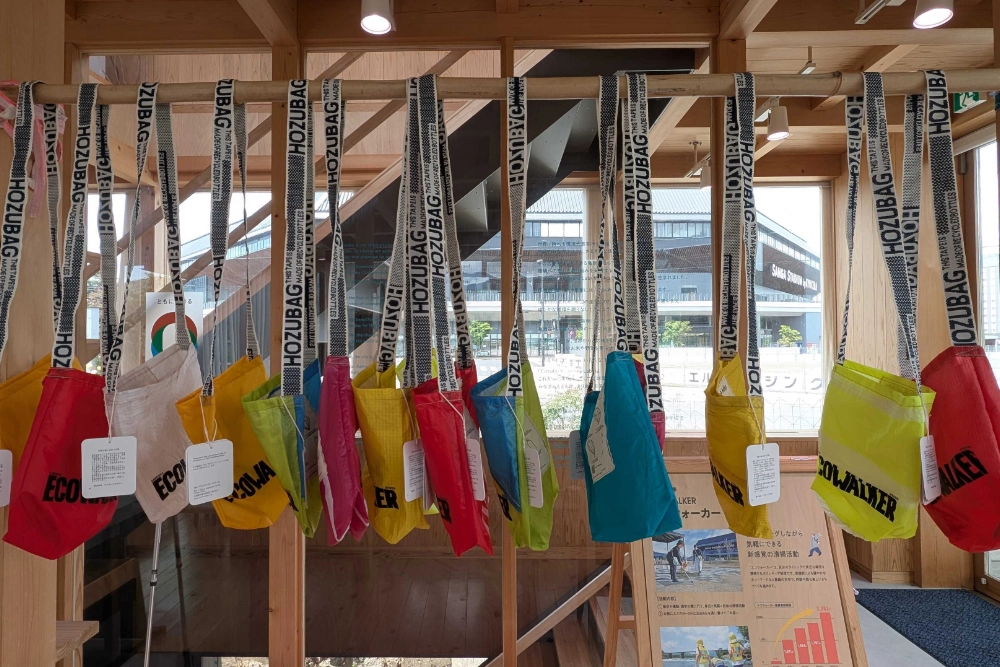
The permanent displays show the city’s plastic-zero policies and circular efforts, alongside panels and locally made upcycled goods, including HOZUBAG, an international brand whose bags are upcycled from retired paragliders. Left from the entrance is the ayumodoki, a nationally protected kissing loach and Kameoka’s official city fish, kept on live display. There is even a card game designed to teach children about it.
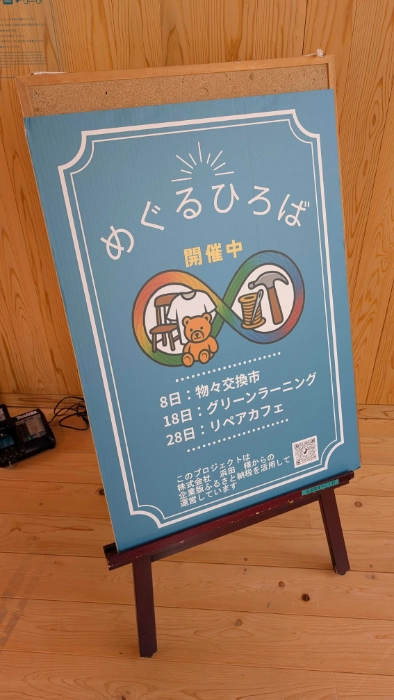
The first floor is the display and entrance level; the second floor opens onto the river view and terrace and doubles as workshop space. There is a basement area for event use, too. If your visit happens to a date with an 8 in it, the Lab runs three standing monthly events under its Meguru Hiroba (“circulating plaza”) project:
- Meguru-wa Swap Market on 8th: trading unwanted clothes, toys or household items for someone else’s
- Green Learning Programme on 18th: rotating hands-on workshops on the theme of circulation
- Repair Cafe on 28th: bring a broken chair, a torn jacket, a small appliance that’s given up, and fix it alongside other visitors, swapping know-how as you go, free of charge.
The facility also holds occasional special events. For example, the Lab is hosting Closed School→Sound!, where visitors turn furniture and offcuts from that same shuttered junior high school into a cajón and xylophone, then learn to play them with professional percussionist Ryo Watanabe. There’s also a Green Learning Talk Night later that month on the lifecycle of clothing, with a guest speaker from Patagonia Japan. The city’s long-running Kameoka Shizen Academy nature programme for children also uses the Lab and its surroundings for sessions on autumn insects, soil, and the minerals that wash down the Hozugawa.
Getting there
Circular Kameoka Lab is a short walk from JR Kameoka Station, and about one minute on foot from the Hozugawa River boat ride’s boarding point. It’s open 9am to 5pm, closed Mondays (or the following day if Monday is a public holiday) and over the New Year period. There’s no on-site car park, so arriving by train, or on foot from the pier, is the way to go.
[Website] Circular Kameoka Lab (Japanese)
More articles about circular economy in Japan
- 2026-09-23: Japanese firms create closed loop recycling for construction wood waste
- 2026-09-21: Asahi Kasei Homes and TOLI launch domestic carpet tile recycling scheme
- 2026-09-15: New circular economy project turns Kobe City forest debris into clothing
- 2026-09-14: Circular culture hub Sta.R opens with 1-day festival on 19 September
- 2026-09-10: Haneda Airport begins closed-loop timber project with Sumitomo Forestry