 Zenbird Editorial Team
Hamada Corporation, headquartered in Osaka, will utilise the fiscal 2026 Kitakyushu City Sustainable Environmental Business Expansion Project Subsidy to conduct a feasibility study on establishing a solar panel reuse and recycling business in Thailand.
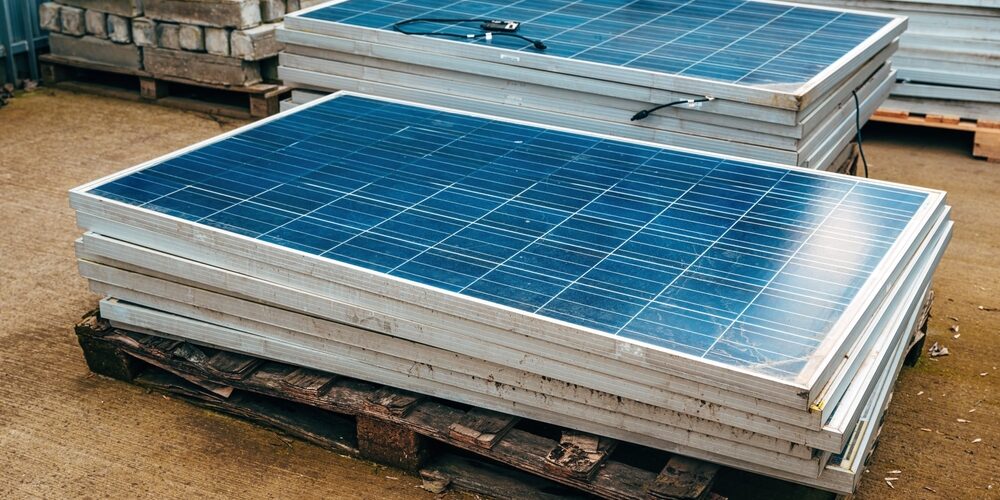
Thailand recorded a solar power generation capacity of approximately 5GW as of April 2026. The national government has raised its introduction target to around 39GW by 2037. This rapid renewable energy expansion brings the looming challenge of mass disposal. Used panels are already surfacing due to age degradation and natural disasters. Solar panels contain harmful substances such as lead and arsenic, making proper disposal critical. However, the current standard practice in Thailand relies heavily on simple crushing. Advanced material sorting and resource circulation have not yet progressed in the region.
Hamada Corporation aims to introduce its established domestic solar panel reuse and recycling operations to the Southeast Asian nation. Through building strong partnerships with local government bodies and enterprises, the firm plans to transfer its advanced sorting and recycling technologies. This strategic move will mitigate environmental contamination risks and promote a “sustainable resource circulation model” that does not depend on landfills.
The company envisions the successful implementation of this project in Thailand as a foundation for regional expansion. Hamada Corporation plans to target neighbouring Asian countries facing similar environmental pollution challenges.
[Reference] Hamada Corporation News (Japanese)