 Zenbird Editorial Team
Nature Innovation Group Inc., operator of the umbrella sharing service i-kasa, announced that Tokyo Monorail Co., Ltd. has joined its Zero Disposable Umbrellas by 2030 Project. This announcement coincides with a major milestone for the service, which has now installed rental spots at more than 1,000 railway stations across Japan.
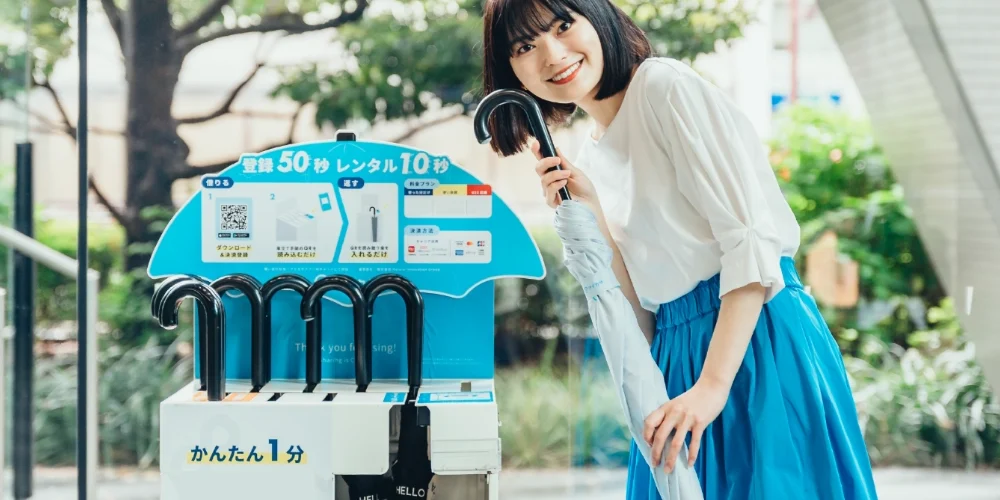
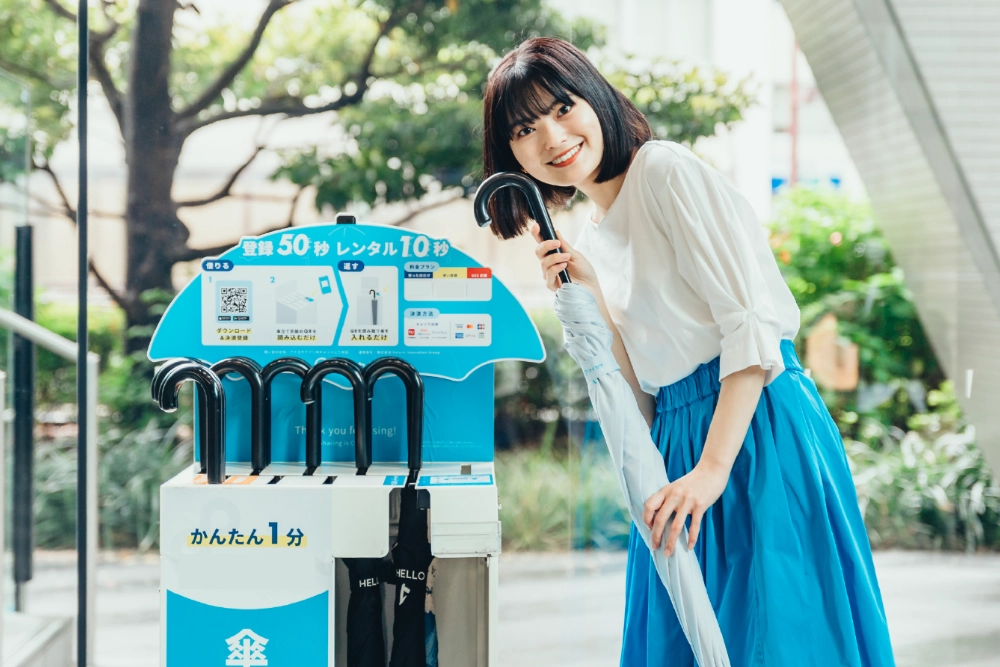
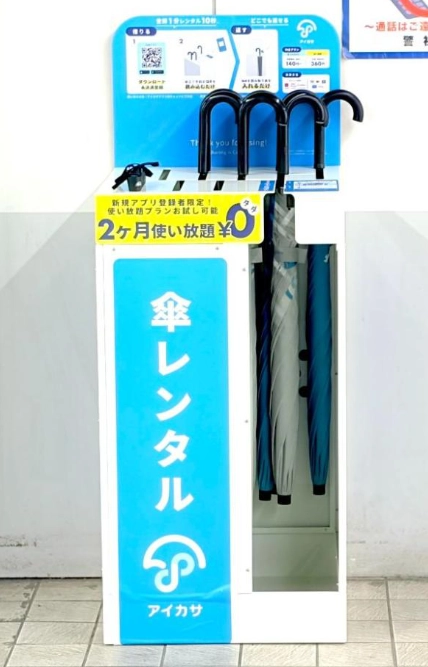
The i-kasa service allows users to rent durable umbrellas from designated stands and return them to any other spot within the network. Since its launch in December 2018, the platform has grown to include over 2,400 locations nationwide, including offices, commercial buildings, and public spaces. The service has surpassed 900,000 registered members.
Japan has historically consumed between 120 million and 130 million umbrellas annually, a large proportion of which are inexpensive plastic vinyl versions intended for short-term use. While recent data from the Ministry of Finance indicates a decline in umbrella imports to approximately 88.51 million units in 2025, the reliance on disposable options remains high. A survey conducted by Nature Innovation Group in February 2026 revealed that 66.8% of respondents had purchased a vinyl umbrella despite already owning functional umbrellas at home.
The Zero Disposable Umbrellas by 2030 Project aims to reduce this waste by collaborating with major corporations to integrate sharing spots into daily commutes, with Tokyo Monorail as the 17th major partner to join. The collaboration features original umbrellas designed by contemporary artist VIKI, whose work focuses on the concept of recycling memories. These umbrellas are available at all Tokyo Monorail stations and several stations along the JR Keihin-Tohoku Line.
Hisatsugu Miyata, President of Tokyo Monorail, stated that the company resonates with the mission to solve the social issue of disposable waste. Nature Innovation Group continues to target 12 prefectures, including Tokyo, Osaka, Aichi, and Fukuoka. It also plans to further increase its presence at tourist facilities and theme parks to ensure that the circular model is accessible beyond major metropolitan hubs.
[Reference] PR Times (Japanese)[Reference] Sharing Economy in Japan