 Zenbird Editorial Team
Ecokaku Co., Ltd. has been recognised by the Ministry of the Environment for its renewable energy-powered data centre project in Okuma, Fukushima Prefecture. The project is a decentralised infrastructure model that addresses the rising electricity demands of the artificial intelligence era.
While data centres are essential for digital society, their energy footprint remains a global concern. Ecokaku’s model addresses this by deploying containerised data centres in regions with surplus grid capacity rather than concentrating them in urban areas.
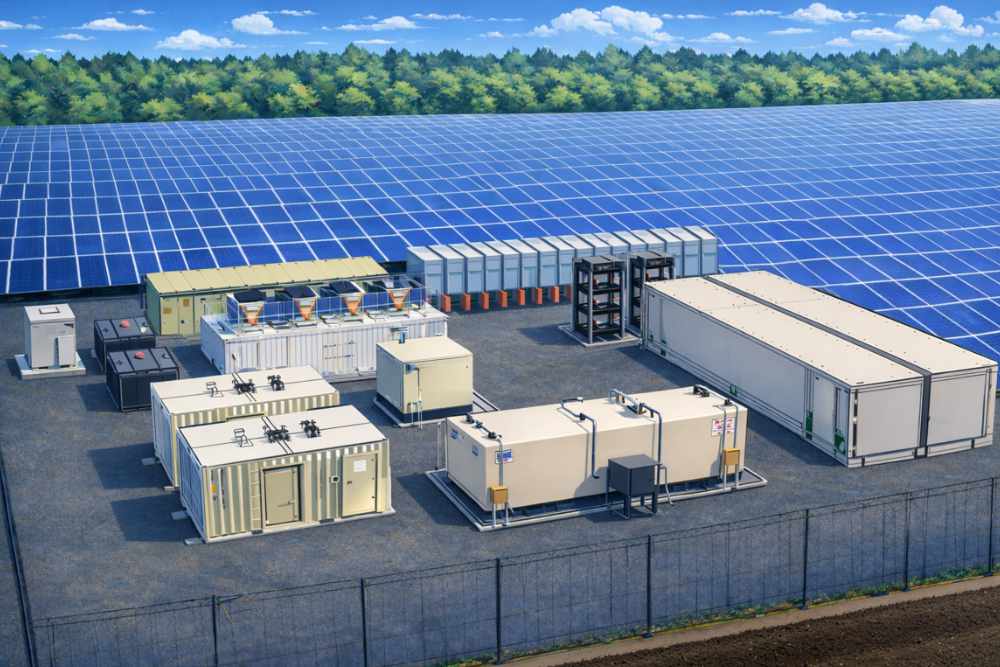
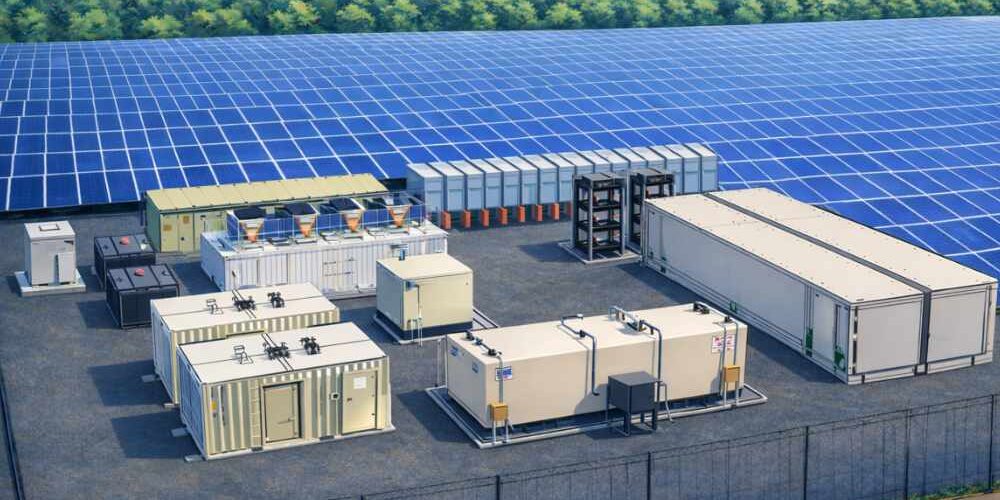
The facility in Okuma integrates on-site solar power generation to achieve partial energy self-sufficiency. According to the Ministry of the Environment, the project is expected to reduce annual carbon dioxide emissions by 1,219 tonnes. The company plans to stabilise this supply in the future by integrating grid-scale battery storage systems.
The use of containerised units allows for faster deployment and greater flexibility compared to traditional large-scale buildings. These units are easily scalable and can be installed in various locations to meet the fast-moving demands of the AI market. This flexibility also helps distribute disaster risks by avoiding over-concentration in major cities.
The project also aims to revitalise the local economy in Fukushima. The establishment of new digital industries creates employment opportunities and increases regional tax revenue. It offers another blueprint for how regional areas can lead the transition to a decarbonised society.
[Reference] PR Times (Japanese)