 Zenbird Editorial Team
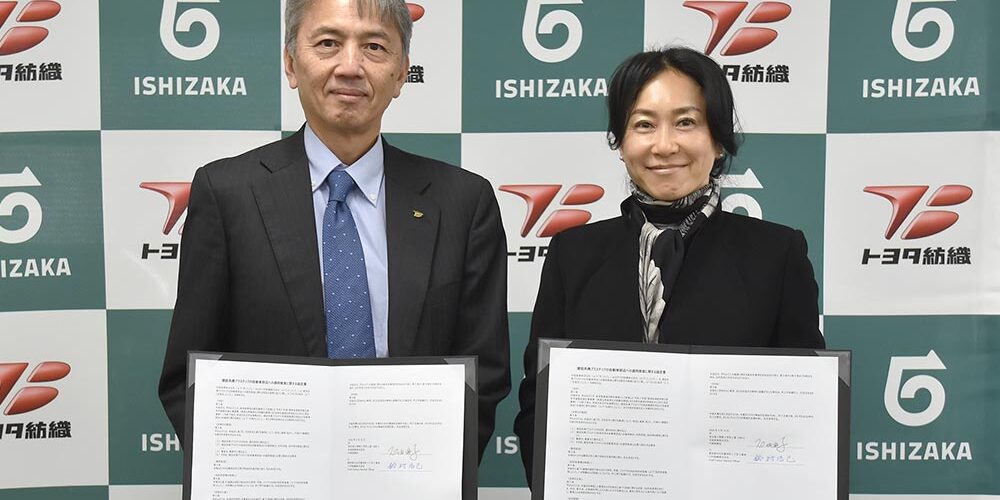
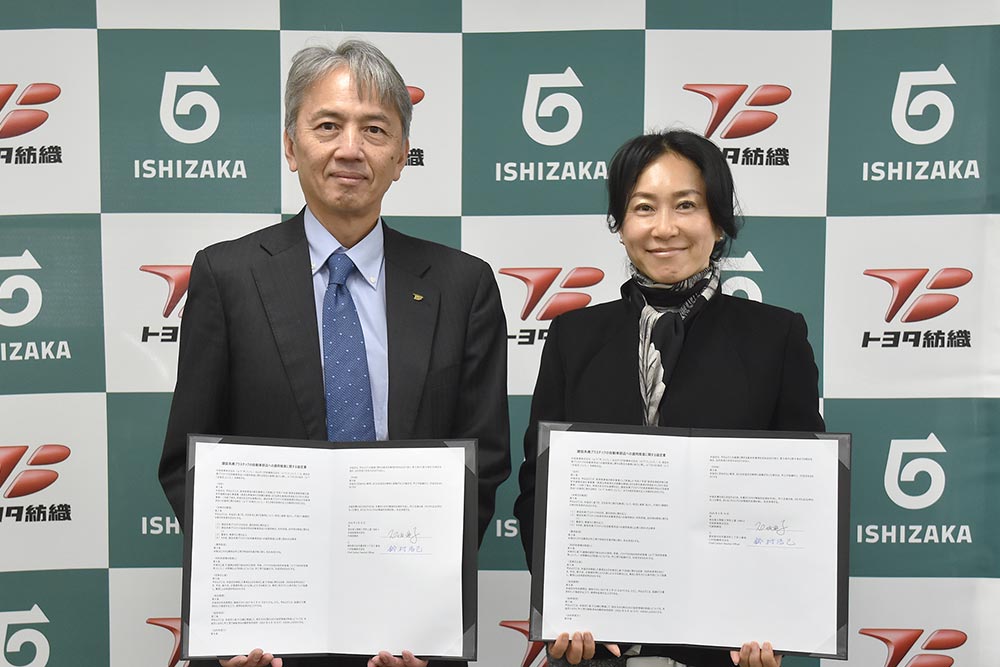
Last month, Toyota Boshoku Corporation and Ishizaka Sangyo announced on signing an agreement to promote the application of construction plastic waste in automotive parts. The goal is to establish a material recycling process for construction plastics.
Construction plastics are difficult to recycle and often diverted to thermal recovery. Using high-precision sorting, the companies intend to produce the high-quality recycled materials required for automotive components.
This initiative addresses two issues: the tightening of circular economy regulations in the European Union, and a projected shortage of recycled plastic across the Japanese automotive industry. Under the EU’s proposed End-of-Life Vehicles (ELV) regulation, manufacturers face increasing pressure to incorporate recycled content into new vehicles. While the European Commission initially proposed a 25% recycled plastic mandate for new cars, the industry expects a phased implementation of these targets. Global suppliers like Toyota Boshoku need to secure a stable supply of high-quality recycled resin to retain market competitiveness.
The Japan Automobile Manufacturers Association has set voluntary targets to reach a recycled plastic use rate of 15% for new passenger cars by 2035 and 20% by 2040. However, industry estimates expect a supply gap. By 2040, the demand for recycled plastic is expected to reach 228,000 tonnes, but the amount recoverable from end-of-life vehicles is projected to fall short by approximately 150,000 tonnes. To meet these targets, the industry must look beyond its own waste streams and establish open-loop recycling systems with other sectors.
The collaboration between Ishizaka Sangyo and Toyota Boshoku is a strategic move to bridge this supply gap through cross-industry cooperation. Construction plastic waste typically contains a diverse mix of materials, making it technically challenging to recycle into high-grade automotive parts. Ishizaka Sangyo brings its sorting technology to the table, which maintains a proven 98% waste reduction and recycling rate, while Toyota Boshoku provides expertise in material evaluation and product commercialisation.
The two companies previously completed a pilot project supported by the Ministry of Economy, Trade and Industry during fiscal year 2025. This project focused on expanding the use of recycled resources in areas where advanced recycling is traditionally difficult. With the new agreement, the partners formalise their efforts to develop the technology and supply chains necessary for mass production and commercial viability.
[Reference] Ishizaka Inc. News Release (Japanese)