 Zenbird Editorial Team
East Japan Railway Company, known as JR East, has begun upcycling waste cooking oil from its facilities into biodiesel fuel. The project initially focuses on the Tohoku region, specifically Miyagi Prefecture, to power maintenance and service vehicles.

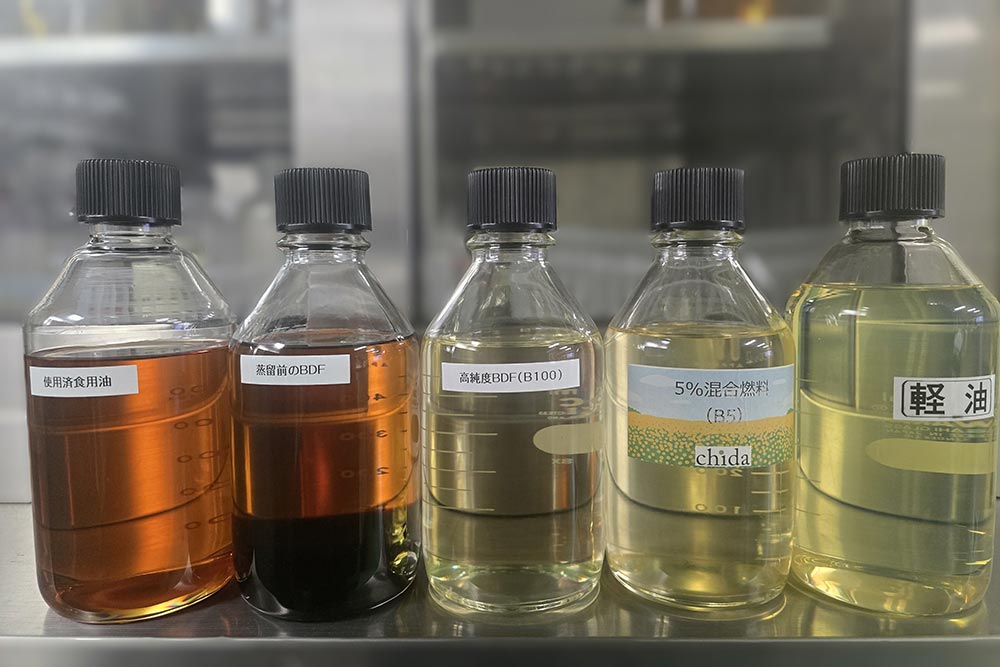
The waste oil is collected from staff canteens and dormitories, including the Shinkansen General Rolling Stock Centre in Rifu and the Sendai Dormitory. JR East Cross Station Support manages these facilities, while Senda Seiso, a local company based in Osaki, handles the collection, transport, and refining of the oil into fuel. This structure establishes a model of local production for local consumption within the railway’s supply chain.
The refined fuel is a “B5 diesel” blend, which contains approximately 5% biodiesel mixed with standard diesel. This blend meets national quality standards and offers a 5% reduction in carbon dioxide emissions compared to conventional fossil fuels. JR East Tohoku Headquarters will deploy the fuel for its service vehicles and road-rail vehicles, which are specialised units capable of travelling on both roads and railway tracks.
Electrification remains a challenge for heavy railway maintenance machinery and construction vehicles. Adopting biodiesel allows JR East to address its continued reliance on fossil fuels in these “hard-to-abate” sectors. The company plans to verify the safety and stability of the fuel before gradually increasing the biodiesel mixing ratio.
JR East intends to expand the biodiesel programme to the Tokyo metropolitan area as well as the Hokuriku and Koshinetsu regions. The group seeks to achieve net-zero carbon emissions from its business activities by the 2050 fiscal year.
[Reference] PR Times (Japanese)