 Zenbird Editorial Team
Suntory Holdings Limited has launched a new demonstration project to close the loop on food waste, converting food waste into organic fertiliser using earthworms. The project is located in the TOKYO TORCH district, a major urban development in Chiyoda Ward.
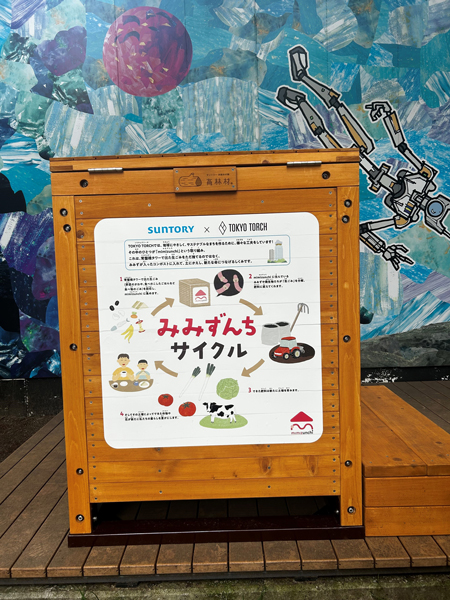
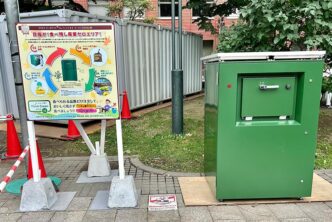
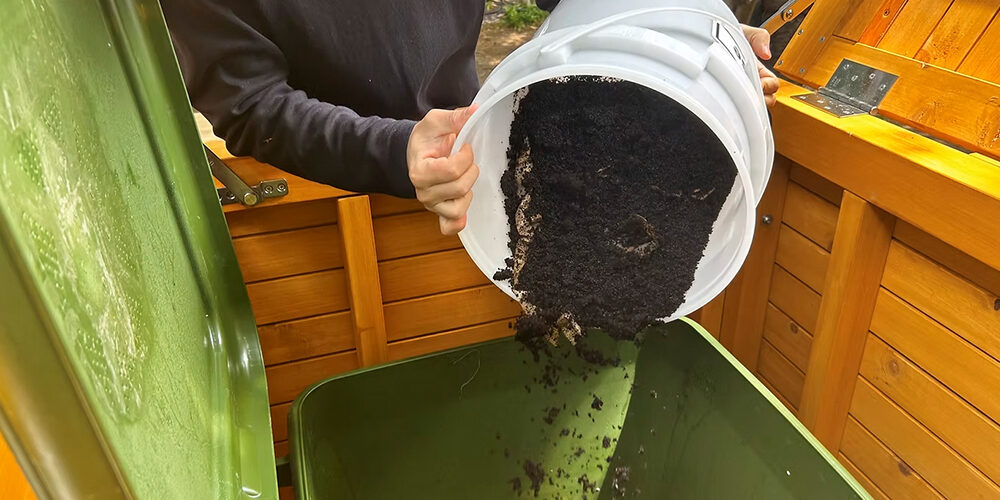
A compost bin called “mimizunchi” has been installed to process food residue, primarily coffee grounds, from the area’s restaurants. The bin houses red wiggler worms, a species known for its high efficiency in decomposing organic matter.
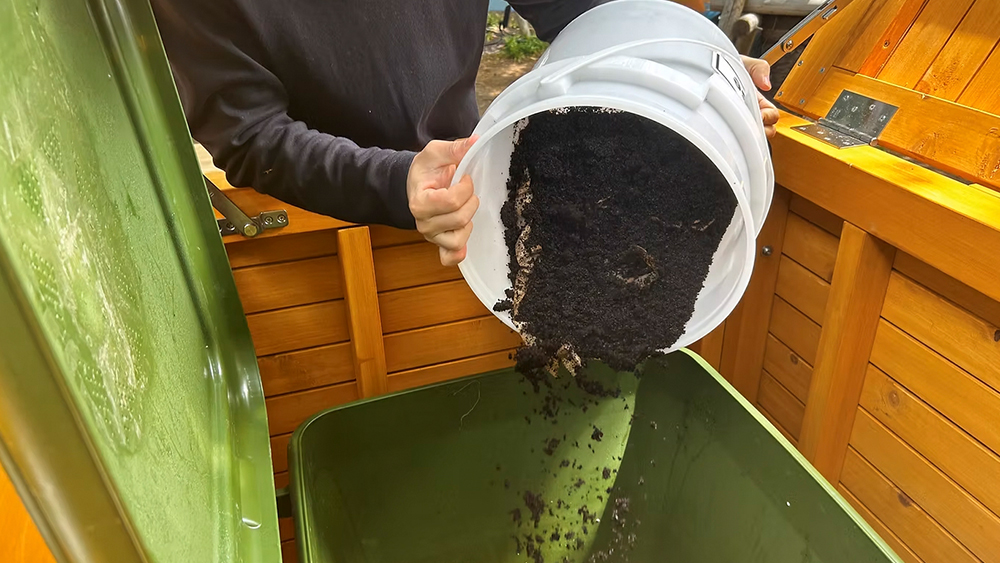
Earthworms have a high capacity to break down organic materials, and their excretions contain a rich diversity of microorganisms and nutrients essential for plant growth, such as nitrogen, phosphoric acid and potassium. The “mimizunchi” unit can process up to two kilograms of waste daily, transforming it into finished compost in approximately three months. The resulting compost and liquid fertiliser will be used to nourish the plants and green spaces within the TOKYO TORCH district, creating a closed-loop system for organic resources.
This project originated from “FRONTIER DOJO,” Suntory’s internal venture programme established in 2021 to foster new business creation among employees. The project team has already verified the effectiveness of using earthworms to produce high-quality compost from the company’s own factory sludge. Suntory aims to eventually commercialise and sell the fertiliser, with plans to explore its application for other manufacturing residues.
Suntory hopes the project can contribute to the adoption of regenerative agriculture by promoting the use of organic fertiliser. The company states that the wider use of such fertilisers could lead to a reduction in greenhouse gas emissions associated with chemical fertiliser production, increase the yield of organic crops, and advance resource circulation by upcycling waste materials.
[Website] mimizunchi Feature Page (Japanese)