 Zenbird Editorial Team
Monitored wildlife populations across the globe suffered an average decline of 73 per cent between 1970 and 2022, according to the Living Planet Report 2026 published on Thursday by WWF International, with WWF Japan releasing the Japanese fact sheet.
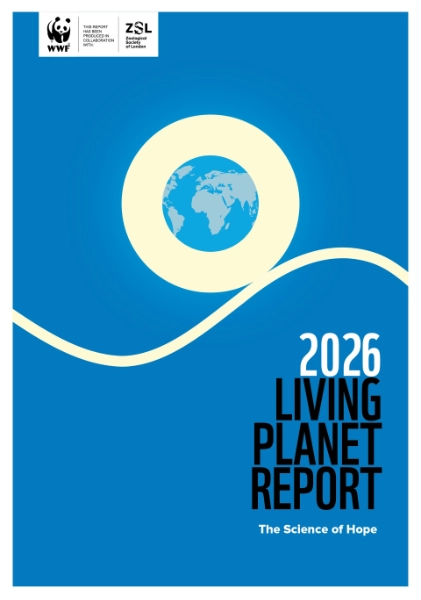
Released ahead of the 17th meeting of the Conference of the Parties to the UN Convention on Biological Diversity (COP17), which opens on 19 October in Yerevan, Armenia, the comprehensive biennial audit assesses the state of global biodiversity, and sets out how to trigger positive tipping points in energy, food and finance systems.
The report draws on the Living Planet Index, calculated by the Zoological Society of London, which tracked 35,803 populations across 5,790 vertebrate species over a 52-year period. Wildlife populations in freshwater systems fell by 85 per cent on average, followed by terrestrial habitats at 69 per cent and marine environments at 59 per cent. Habitat loss and degradation constituted the primary direct driver of wildlife collapse, followed by overexploitation, climate change, pollution, invasive alien species and disease.
The findings establish that direct pressures on habitats do not occur in isolation, but stem from structural failures across global food production, energy infrastructure and financial allocation. The authors argue that reversing ecosystem decline requires systemic economic transformation that is both just and inclusive, redirecting capital away from destructive activities toward regenerative practices.
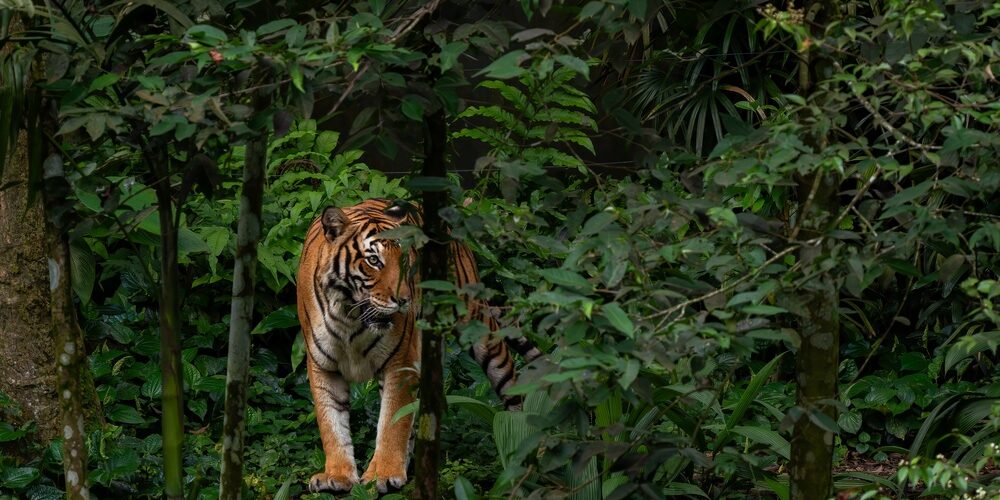
WWF International Director General Dr Kirsten Schuijt affirmed that while biodiversity loss proceeds at an alarming rate, nature retains the capacity to recover when sustained, collaborative interventions are deployed. Schuijt noted that the recovery of species populations such as tigers, Pacific and Atlantic bluefin tuna, southern African elephants and green sea turtles demonstrates what long-term, collaborative conservation efforts can achieve, adding that maintaining these gains requires transforming the industries and economic systems that degrade the natural world.
The report presents empirical evidence of successful recovery programmes where coordinated regulatory and field actions were sustained. Wild tiger populations expanded by more than 70 per cent between 2010 and 2025. Atlantic bluefin tuna populations, which had collapsed by 80 per cent by 2010, and Pacific bluefin tuna, which had fallen to 2 per cent of unfished historical biomass, both staged substantial recoveries following strict catch quotas, fishery monitoring and multilateral harvest controls. In 2025, the International Union for Conservation of Nature reclassified the green sea turtle from Endangered to Least Concern, marking the first sea turtle to attain that status, after 50 years of coordinated protection across 80 nesting countries.
Tomomi Kitade, biodiversity policy group leader at WWF Japan, warned that meeting the Kunming-Montreal Global Biodiversity Framework target to halt and reverse biodiversity loss by 2030 remains improbable without immediate intervention. Kitade stated that the international community must transition toward socio-economic systems that actively incentivise conservation and restoration rather than environmental destruction.
[Reference] Living Planet Report 2026