 Roger Ong
Japan’s convenience stores enjoy a romanticised image from visitors, often a symbol of choice, hygiene and efficiency! Walk into a Japanese convenience store in a business district at lunch time and you’d have a chance to witness the dance of consumption. The unwavering strides of salaryman towards the bento shelf, enjoy a moment of contemplation for desired tastes, picking up today’s choice of onigiri, filling up a cup of coffee, and all these over the almost musical beeps of checkouts at the cashier.
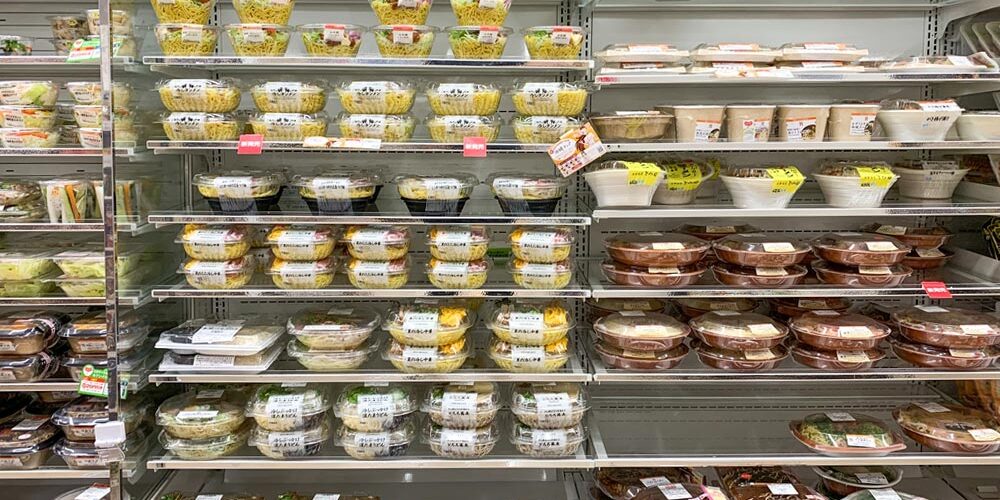
My curse, however, is witnessing the details. Each bento double wrapped in single-use plastic, each plastic cover over the disposable coffee cups, every plastic-wrapped chopsticks and nonbiodegrable wet tissues in plastic that the convenience store staff put into every single-use plastic bag of each customer’s purchases.
Despite writing much about Japan’s circular economy, it’s really difficult to avoid the voice in the mind every time I enter a supermarket or convenience store in Japan: why is there still so much single-use plastic?
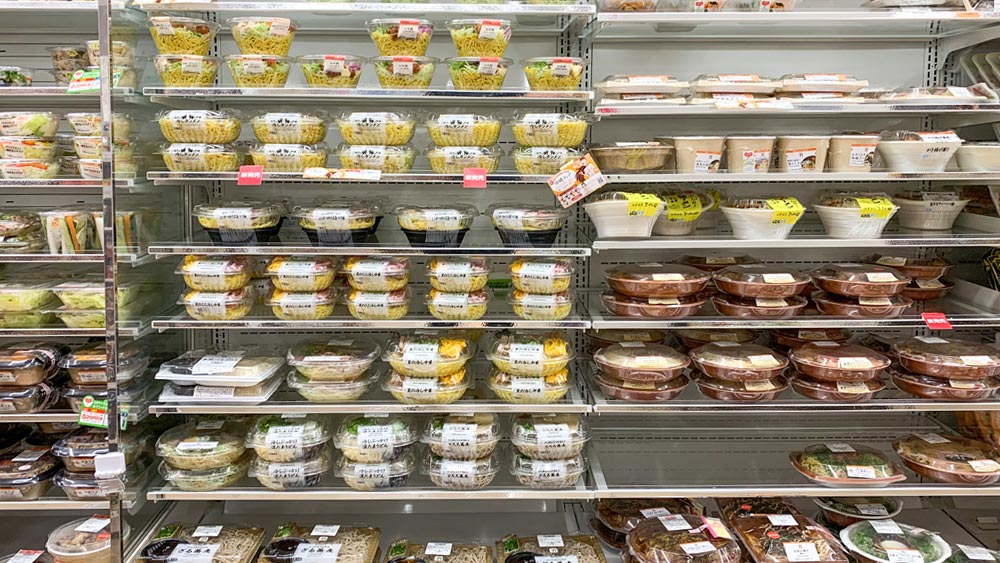
What springs to mind at first when looking at the abundance of plastic packaging at stores like convenience stores and supermarkets might be “Why is Japan obsessed with plastic?” But the answer requires a lot of deliberation than we can sum in a quick phrase.
Plastic packaging for hygiene, safety and convenience
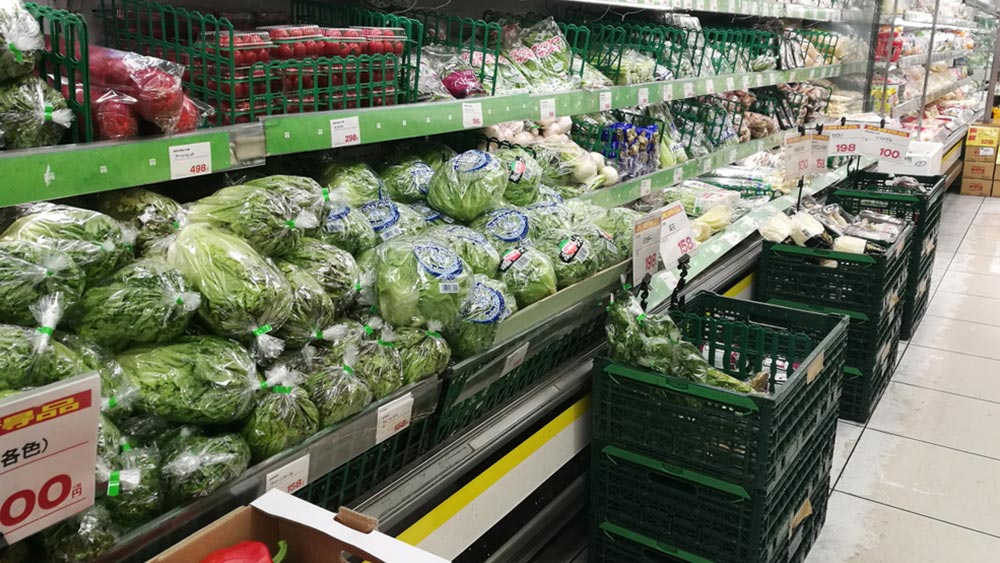
Hygiene is a good reason for the plastic packaging (though I still question the need for plastic-wrapping for single carrots). Japan’s culture of cleanliness is deeply ingrained in society. It stems from Japan’s post‑war public‑health campaigns, and is why Japan has mask etiquette, hand‑washing songs in primary schools and meticulous sanitation standards for food retail. And manufacturers discovered that single‑use plastic could guarantee sterility while extending shelf life for longer supply chains.
Safety is another important aspect. Some consumers still remember the Glico Morinaga case in 1985 where there were threats and copy crimes to poison sweets from Glico and Morinaga. This led to tighter seals and tamper‑evident films. Multiple layers of wrapping became the norm for safety.
Going back to our example of the convenience store, plastic also allows a myriad of convenience. Japan has some of the longest average commute times in the OECD (around 43 minutes one way, second only to South Korea). Therefore, speed and efficiency is a priority for many. Grab‑and‑go meals that need no washing‑up (disposable). Plastic enables microwave‑safe trays, leak‑proof lids and clear windows for quick quality checks.
Convenience culture
At this point, you may have realised how systems are set up for convenience without sacrificing ease of mind. What that also means is that reusable systems are perceived as friction, not relief.
For example, Japan’s infrastructure rewards disposal over reducing waste. Ministry of the Environment of Japan boasts how the country has a “recycling” rates for plastic at 84%. However, more than half of that figure is thermal recycling, seen as energy recovery through incineration. This gives the Japanese people a sense that their plastic waste is being put to good use. Most businesses, too, see less incentive to redesign their products, only picking the low-hanging fruit of switching to bio-plastics.
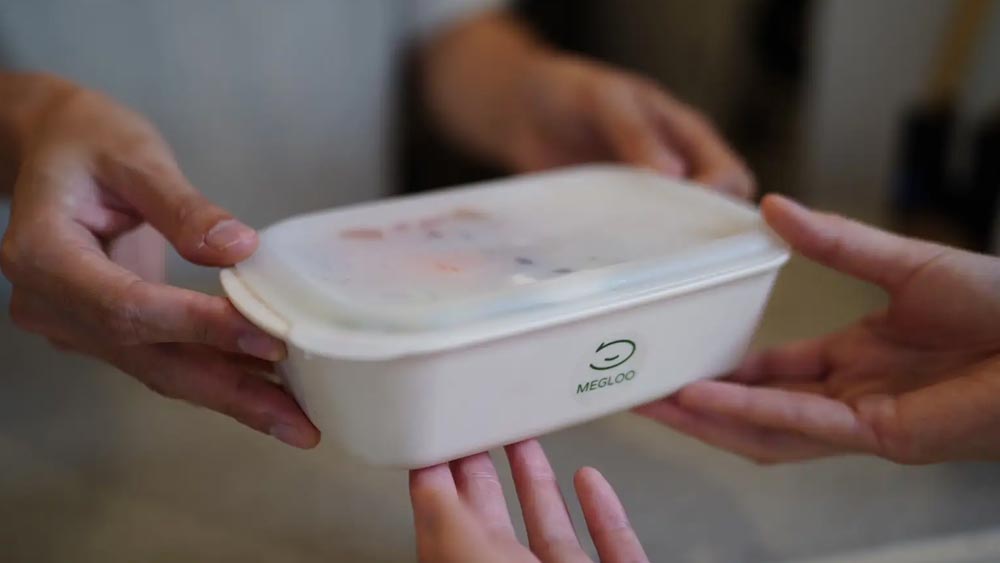
Sorting rules also favour disposables. Residents already separate combustibles, PET bottles, trays and films. So even though there are new systems like Megloo which promote reusable containers, the general population still opts for convenience over the environmental benefits of reuse systems.
Japanese aesthetics and culture
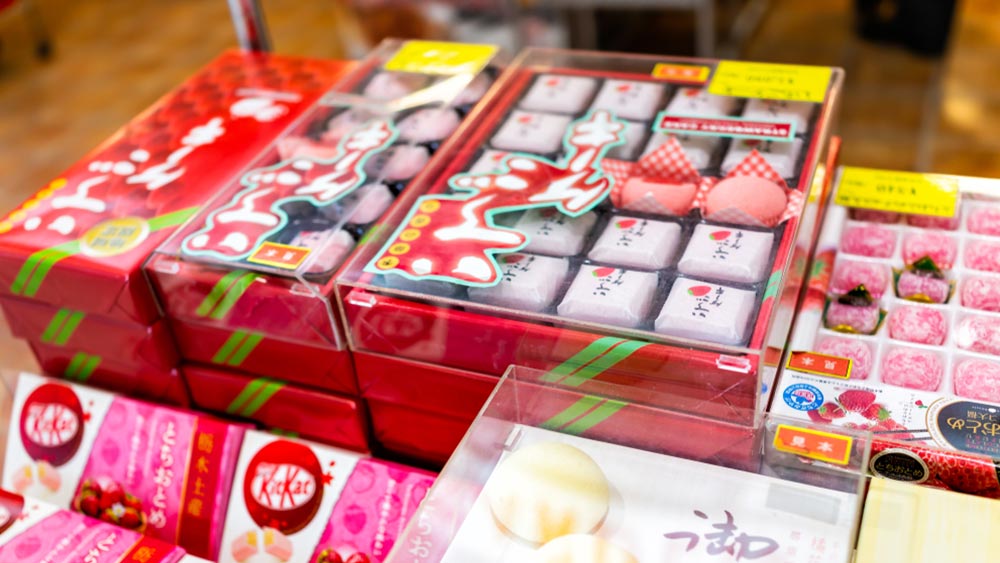
If you’ve ever bought a souvenir from Japan, you might be surprised by how many layers there are in packaging. It can be difficult to understand for people from Western countries, where minimal wrap can signal environmental virtue. There’s even a joke how Japanese souvenirs are packaged in a packaging in another packaging.
However, in Japan, opening of the packaging is akin to opening curtains on a stage theatre. This is one aspect of Japanese thoughtfulness: thinking how the receiver feels as they interact with the gift. This also has influences from a mindset from ancient Japan, called “tsutsumi”, where there is refined aesthetic in concealment. Mass production, including of plastic, scaled that tradition in modern Japan.
Another mindset is the mottainai mindset. We often praise it as a sustainable mindset because it reflects an aversion to waste shared by sustainability‑focused communities around the world. Yet, we tolerate disposable packaging because it is a trade-off to prevent food waste, which carries heavier social shame.
Obsession not in plastics, but desire for benefits from plastics
So, it is not so much an obsession with plastic as it is a desire for convenience and safety. And that is what plastic materials can offer. Multi‑layer films can add days to the shelf‑life of fresh produce and curb food waste. They are lightweight and sturdy enough to contain food for consumption. Beyond food, they have good barrier performance, enable life‑saving medical devices, and offer energy‑saving insulation. It’s not that plastic is bad, but it’s how we use it.
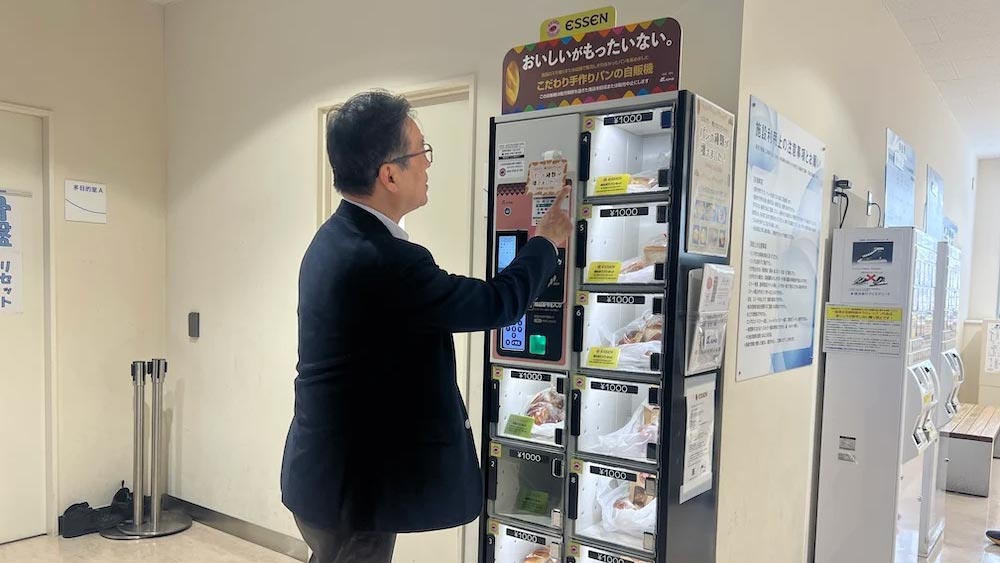
Perhaps we need to redesign convenience. For example, making reuse as frictionless as single uses. Introducing “food lockers” can work, selling fresh food in convenient boxes. Yokohama City has started and has plans to grow it. We could also adopt what has been successful in some festivals in Japan, where they offer on‑site washers. If the government is more willing in incentivising reuse systems, it would also show leadership in creating true change.
And how about convenience with knowledge? World renowned Kamikatsu Town in Tokushima Prefecture not only created the Zero Waste Centre to facilitate the separation of garbage into 45 categories, but also informs its residents how much the town spends/earns by recycling the materials. This creates personal investment in the residents, cultivating an awareness of the materials they use, and reducing the use of plastics can begin from there.
We can also attack the problem from the other side of the equation, by making invconvenience attractive. For example, exmphasising values that are kinder, not faster, like waiting for a meal at the cafe that allows waiters with stutters to take orders, or joining a communal dinner where connecting with others take priority.
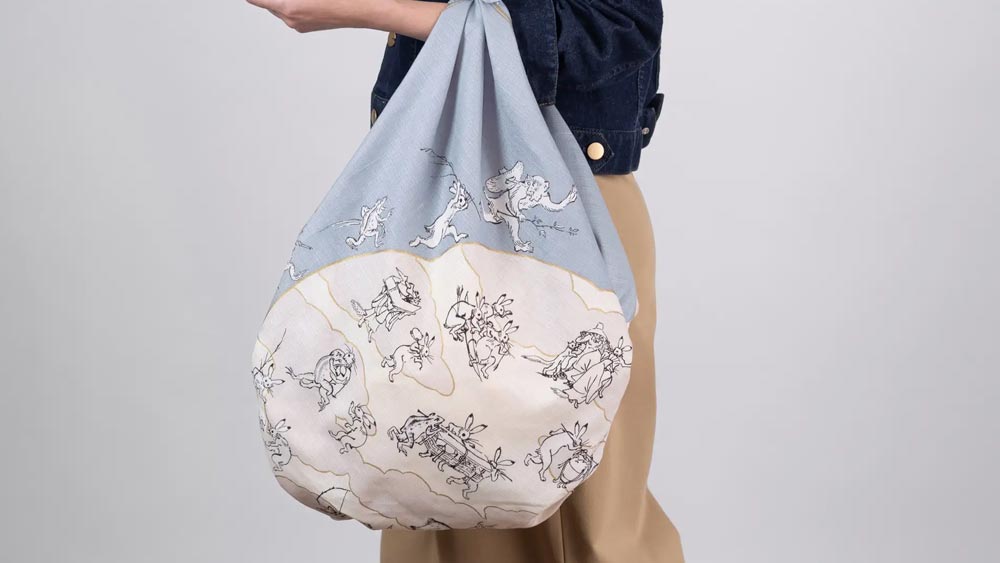
And we wouldn’t even need to sacrifice tradition. If souvenirs need wrapping, we can turn to the use of furoshiki, a beautifully designed cloth that can be used for wrapping various gifts.
Moving away from plastic is possible
For many visitors, the sheer volume of packaging feels at odds with the nation’s image of harmony with nature. And even though plastic have advantages for daily life, we need to remember its impact on the environment and, ultimately, our well-being. There are a number of nudges and shifts that we can implement, through which Japan can distance itself from excessive use of single-use plastics.