 Zenbird Editorial Team
On 22 April, a significant seminar was convened in Tokyo, co-hosted by the Keidanren Committee on Nature Conservation (KCNC) and the United Nations Development Programme (UNDP), with support from Japan’s Ministry of the Environment. The event highlighted the progress of Phase 4 of the Community Development and Knowledge Management for the Satoyama Initiative (COMDEKS) programme. It attracted approximately 130 participants both in-person and online, including representatives from the Japanese private sector, officials from the Convention on Biological Diversity (CBD) Secretariat, the International Partnership for the Satoyama Initiative (IPSI), and academia.
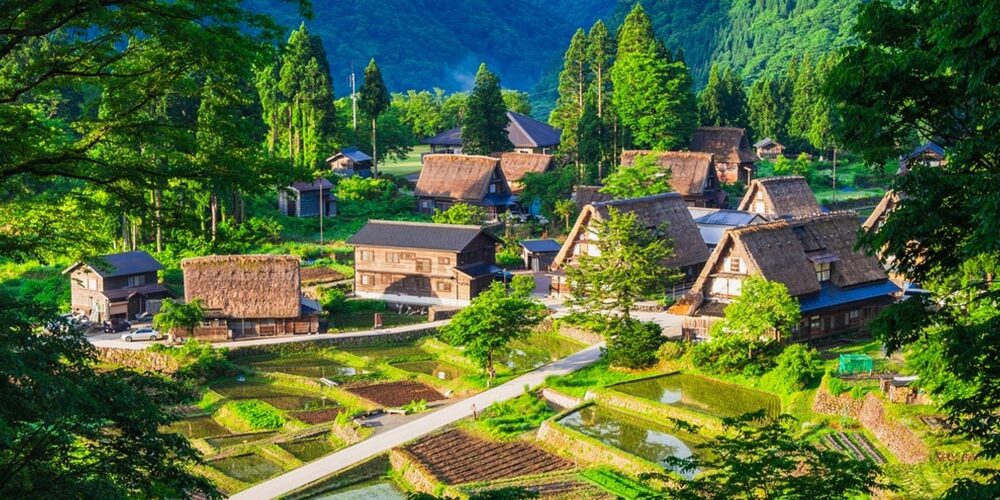
The COMDEKS programme, launched in 2011 as part of the Satoyama Initiative, promotes the sustainable use of natural resources in landscapes and seascapes through community engagement. It is implemented by UNDP under its Small Grants Programme (SGP) framework, with support from the Ministry of the Environment of Japan and the CBD Secretariat. To date, COMDEKS has supported more than 400 community projects across 20 countries.
Keiji Nishizawa, Chairman of the KCNC, opened the seminar by underscoring the critical state of the global environment, which is nearing tipping points. He emphasised the urgent need for all stakeholders to take concrete actions toward achieving “Nature Positive” outcomes and sharing successful practices globally. He praised COMDEKS as a best-practice model for biodiversity conservation and the sustainable use of natural capital, fostering societies in harmony with nature.
Yutaka Matsuzawa, Vice-Minister for Global Environmental Affairs at the Ministry of the Environment, commended the KCNC’s collaboration with the Ministry, which has supported COMDEKS since its inception. He described the public-private partnership as pioneering and expressed hope that the programme would generate numerous exemplary practices to be shared and scaled globally. He stressed the potential of community-led natural resource management to address global challenges.
Lisa Edu, SGP Partnership Specialist at UNDP Headquarters, outlined Phase 4 of COMDEKS and its alignment with the targets of the Kunming-Montreal Global Biodiversity Framework (GBF). Dr. Sunita Subramanian from the United Nations University Institute for the Advanced Study of Sustainability (UNU-IAS) introduced the “Resilience Indicators Toolkit,” a participatory tool that enhances local stakeholder engagement in the planning, design, implementation, and monitoring of conservation efforts.
SGP National Coordinators from three Phase 4 countries, including Aimé Kamga from Cameroon, Ariana Araujo Resenterra from Costa Rica, and Gokmen Argun from Turkey, shared updates on their countries’ progress. They presented tangible examples of how local communities are tackling environmental challenges while improving livelihoods and building resilience. Short videos were shown, sharing the critical ecosystems and community initiatives in the Sahel Bogo landscape (Cameroon), the Samsun Wetlands (Turkey), and the seascape conservation work in the Gulf of Nicoya Islands (Costa Rica).
In summary, Tsunao Watanabe, Director of the IPSI Secretariat, reiterated the importance of landscape and seascape approaches in biodiversity conservation. He expressed hope for the continued development of projects that deliver landscape-level impacts through collaboration among COMDEKS stakeholders.
Hideko Hadzialic, UNDP Resident Representative in Japan, concluded by commending the growing interest and active involvement of Japanese private companies in biodiversity conservation in developing countries. She reaffirmed that the community-led strategy and decision-making embedded in COMDEKS are essential for fostering local ownership and ensuring long-term sustainability.
[Reference] United Nations Development Programme News (Japanese)[Related article] What is the Satoyama Initiative?
[Related article] What is the satoyama?
More on biodiversity in Japan
- 2026-02-18: Japan's first butterfly forest project launches in Tochigi Prefecture
- 2026-02-10: Miyagi Prefecture is bringing back the golden eagle from extinction
- 2026-02-02: Saga fire festival turns invasive bamboo into charcoal for circular farming
- 2026-01-22: Bio-logging data to cut offshore wind risks in Japan
- 2025-11-28: JSA report maps global standards in biodiversity and offshore wind