Just as cooking failures led to new discoveries, some Japanese dishes were born out of a “mottainai” awareness that reduces food loss. I’ll introduce some Japanese cuisines that are popular among the locals, yet their origins aren’t well known...


Just as cooking failures led to new discoveries, some Japanese dishes were born out of a “mottainai” awareness that reduces food loss. I’ll introduce some Japanese cuisines that are popular among the locals, yet their origins aren’t well known...

TOKIARI, a Kyoto-based fashion brand, will present its latest 25AW “WABI-SABI ~Stains of Time” collection in Tokyo and Kyoto. Founded in 2022, the brand is deeply inspired by wabi-sabi, the Japanese philosophy that values imperfection...

Living in the era of high technology, productivity and convenience, we tend to disapprove of inconvenience. All household chores that were once done by hand are now done by machines, and can be completed at the touch of a button. While the...

The concepts of mottainai and zero waste form a powerful pair against the detrimental convention of mass consumption. Zero waste is a movement to reduce waste and re-evaluate our consumerist lifestyle, and having a sense of mottainai cultivates the...
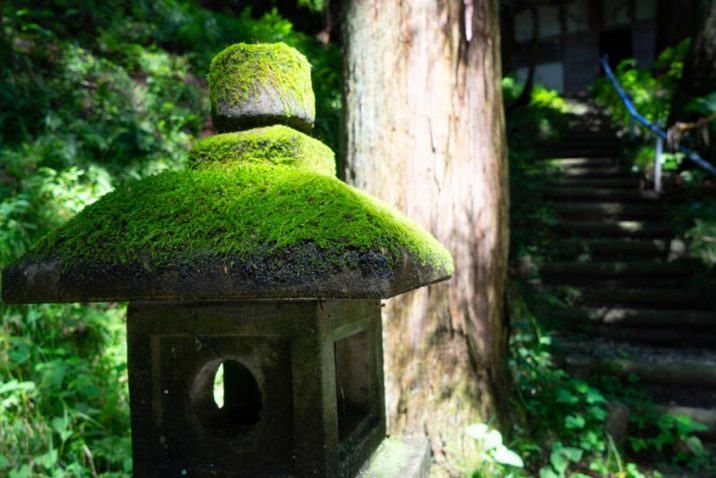
Wabi-sabi is a Japanese aesthetic that finds beauty in imperfection, impermanence, and the natural cycle of growth and decay. You can find in it the weathered surface of an old wooden temple, the worn leather of a favourite chair that becomes softer...

Kunio Yanagita’s concept of “Hare” and “Ke” is a key idea in Japanese folklore studies and cultural anthropology. It explains the contrast between special moments and daily routines in traditional Japanese life. The...
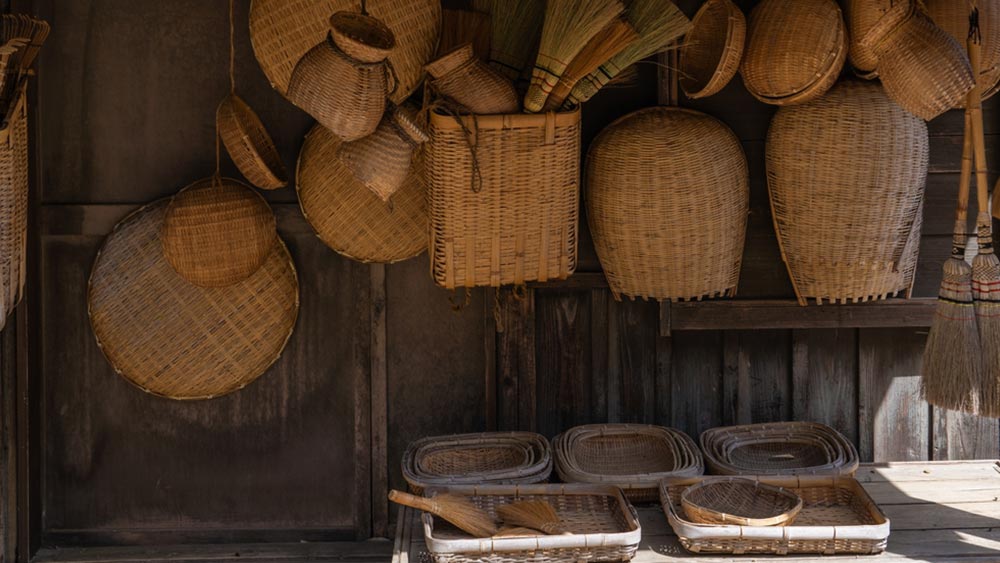
While many religions and cultures frown on greed, people in the Edo period also cherished and practiced the idea of “knowing just enough.” 足るを知る (taru wo shiru), or “knowing just enough,” is one of the philosophies that the Japanese valued during...