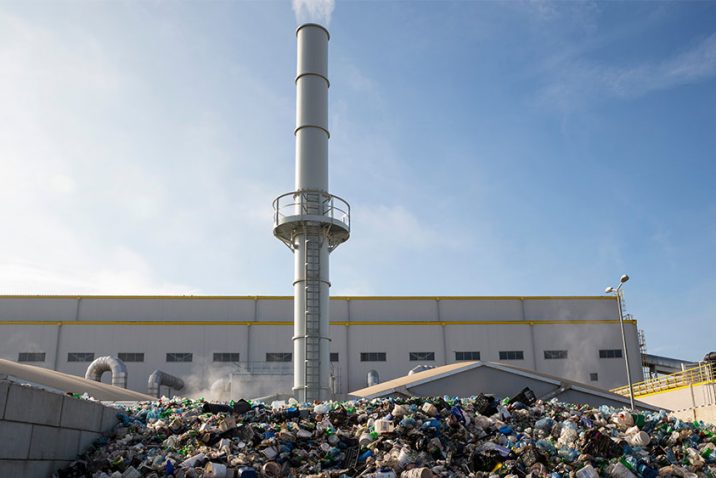
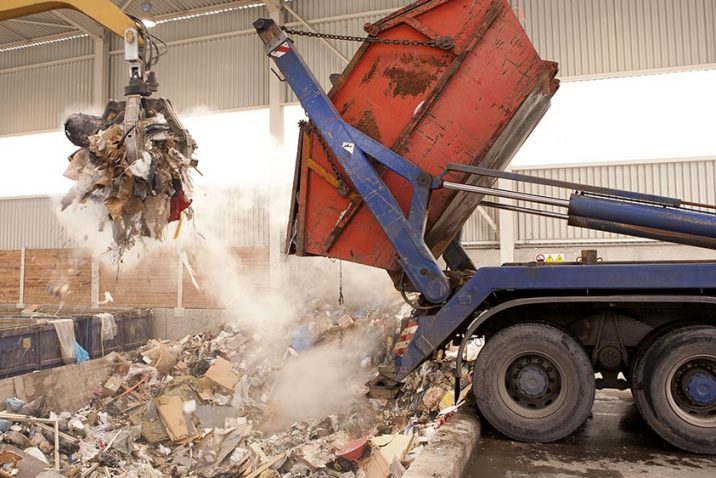
Effective incinerators are expensive to build, therefore, it can take years until the economic benefits start to materialize. For example, in the U.S., a trash incinerator plant costs $280 million to build, which is two to three times more expensive...
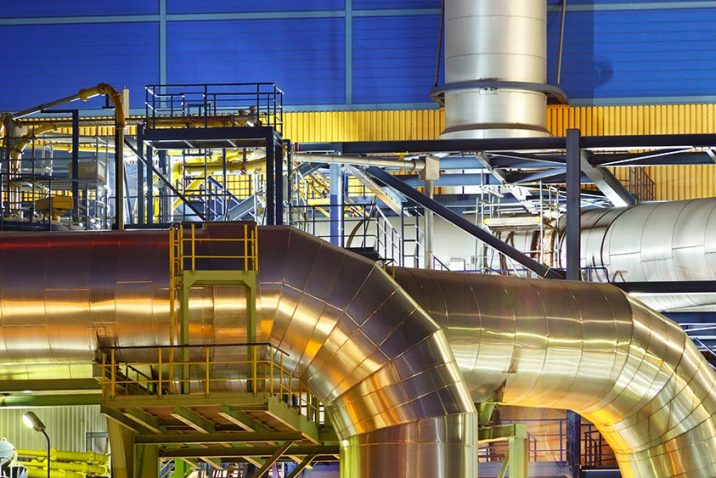
The role of waste-to-energy plants is to turn non-recyclable waste into heat and electricity, thus reducing landfill usage and the need to burn fossil fuels. Simultaneously, waste-to-energy plants also help reduce the levels of methane generated...
Choosing a gift for someone or buying a treat for yourself from time to time is delightful. What if that shopping is sustainable or contributes to realizing a better society? Wouldn’t it be even more fulfilling? Today, we are at a point where...
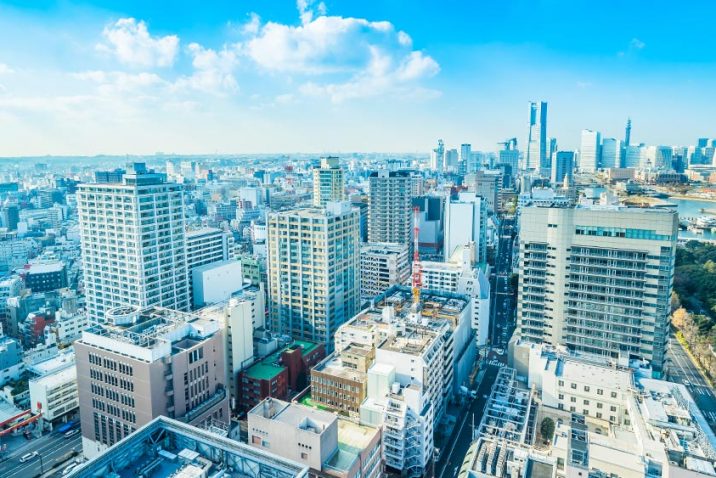
Google Trends shows that Japanese searches for “circular economy” have been on the rise since the beginning of 2019. There are several organizations behind this surge. Among them, Circular Economy Japan is working to build a circular...
The ecological footprint measures the supply and demand of nature. That is, we can use it to compare how a population consumes natural resources and how much the environment provides to sustain their lifestyle. Global carbon emissions from burning...
Zero waste is an approach that helps us redesign our life and society to significantly reduce, and eliminate the use of materials that eventually end up in landfills. To actualize this shift towards sustainable consumption patterns, efforts and...
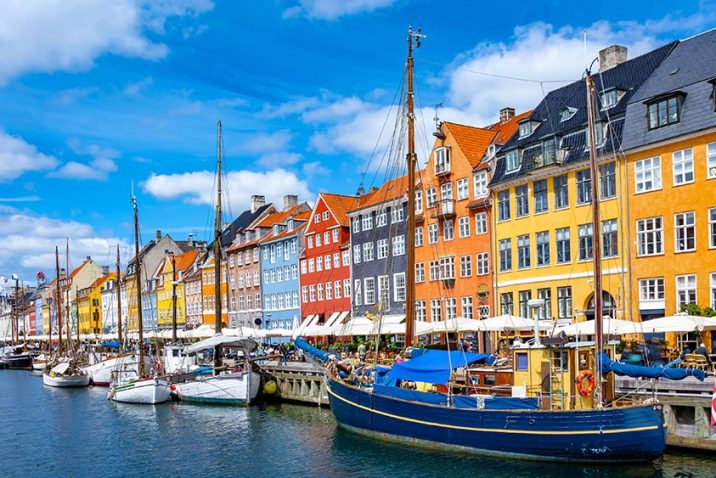
We can take a page from Copenhagen’s transition to a green society that comes from its push towards accessible sustainability. In fact, the city’s proven examples are something we can all strive for. Copenhagen is bidding to become a carbon-neutral...
Simply put, sustainability means that our society can continue without negatively impacting future generations’ quality of life. At its core, it’s about finding the right balance of development between society, the economy and the environment...
A linear economy has long been promoted in the name of productivity. However, its core “take-make-waste” ethos stands at a critical juncture due to its widely reported environmental disadvantages and resource scarcity. The extraction and collection...
Progress towards a circular economy should include not only individual efforts through better consumption habits. Systemic change at a policy level is vital too. For example, the South Korean government banned dumping food waste in landfills in 2005...