 Zenbird Editorial Team
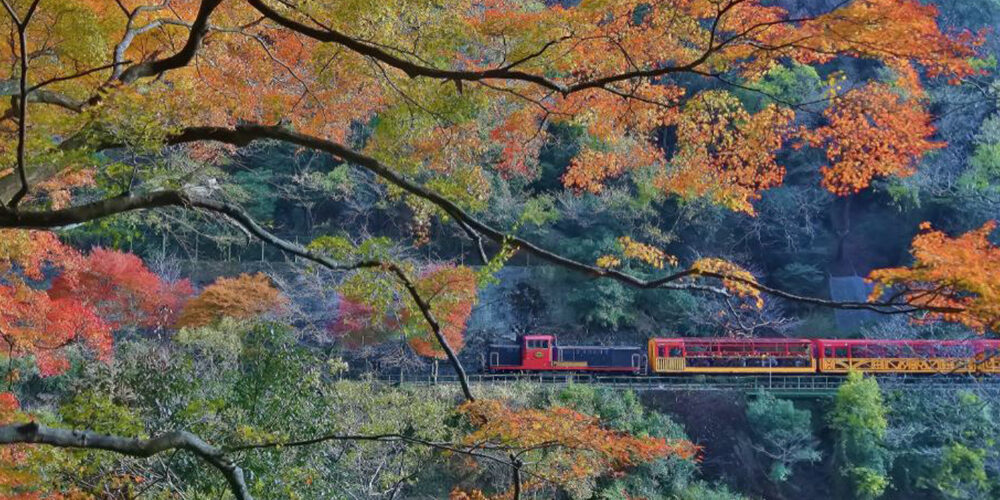
The Council for Cultural Affairs has recommended that 18 civil engineering structures comprising the Sagano Scenic Railway be registered as Tangible Cultural Properties of Japan. Kameoka City announced the decision on 26 November, marking a significant recognition of the railway line as an active industrial heritage site that blends Meiji-era engineering with the natural landscape of the Hozukyo Gorge.
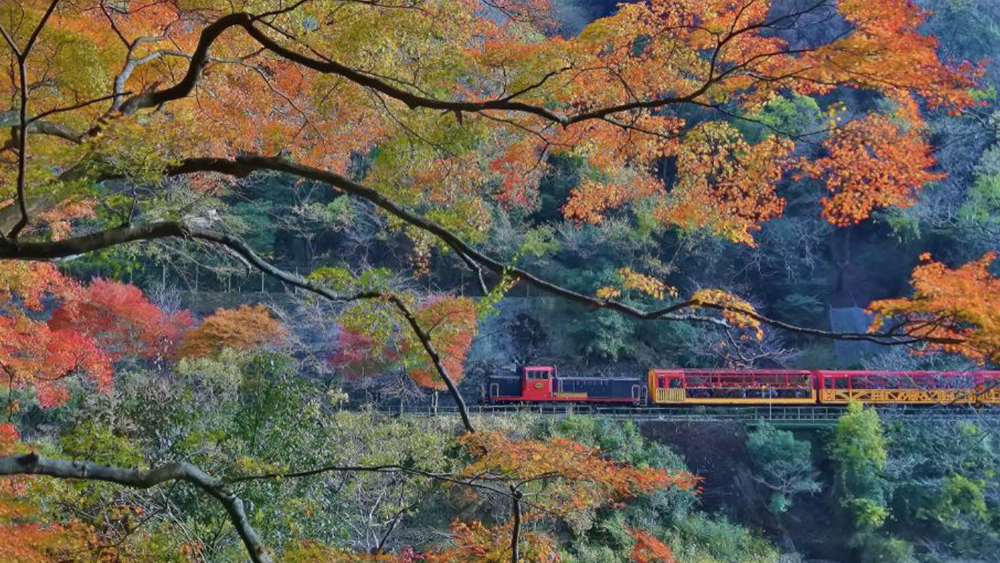
The recommendation covers a series of tunnels and bridges spanning Kameoka City and Kyoto City. Of the 18 structures, 12 are located within Kameoka City, including four tunnels and eight bridges. Originally constructed in 1899 (Meiji 32) for the Kyoto Railway, the predecessor to the current Sanin Main Line, these facilities represent the advanced civil engineering technology of the late 19th century. The structures were designed to overcome the steep, difficult terrain of the gorge and remain in operation today, transporting tourists between Arashiyama and Kameoka.
This designation highlights the concept of “civil engineering beauty,” where functional infrastructure harmonises with the natural environment. The brick-lined tunnels and the bridges spanning the ravine add depth to the scenery viewed from the train windows. Unlike static museum exhibits, these structures function as “active industrial heritage,” allowing visitors to physically traverse history. The Kamomedani Bridge, which straddles the border between Kameoka and Kyoto, stands as a testament to the collaboration between the two cities in preserving this shared cultural asset.
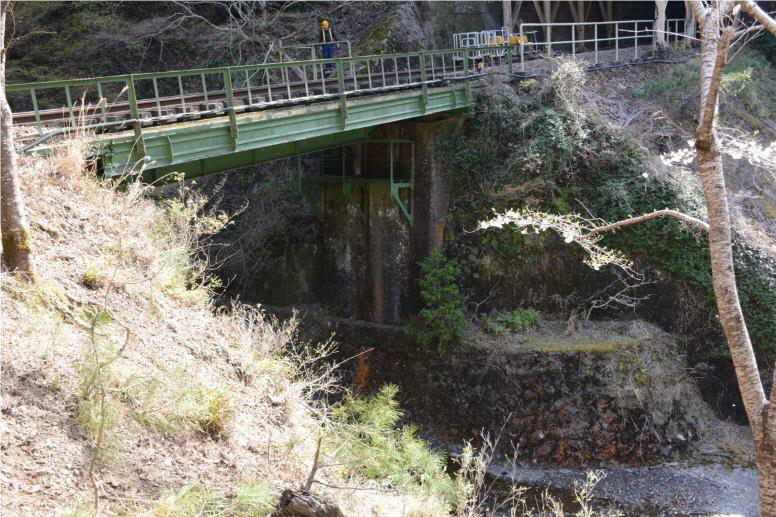
The registration aims to shift the value of the Sagano Scenic Railway from a purely scenic excursion to a deeper historical experience. The open-air carriages, which lack glass windows, allow passengers to hear the reverberations of the train passing through the brick tunnels and the sound of the wind crossing the bridges. This sensory experience connects modern travellers directly with the heavy, industrial history established over a century ago.
Kameoka City intends to utilise this recognition to promote the railway as a vital regional asset, attracting visitors interested in sustainable cultural tourism, and ensuring the longevity of the railway as a tourism resource.
[Reference] Kameoka City Press Release (Japanese)