 Mana Iwata
Notifications from emails and messages. Relentless streams of news and social media updates. From the moment we wake up to the time we fall asleep, our minds are crowded with an endless list of to-dos. Amid the vague anxiety of wanting to achieve something someday, we might have lost sense of the present moment right in front of us—the moment we are meant to live.
In such moments, I find myself returning to the tea house. Stepping into the room, left foot first, an almost immediate shift occurs. The noise of the outside world recedes, and a quiet distance forms between me and the distractions of daily life. Inside, every movement is prescribed; we act precisely, deliberately, within that graceful structure.
And yet, paradoxically, it is within this restricted space that I feel most free. The discipline of tea practice releases the tension in my shoulders, quiets my mind, and brings me back to my true self. The outside world fades away, and all that remains is the present. This is the tranquil solace of the tea room.
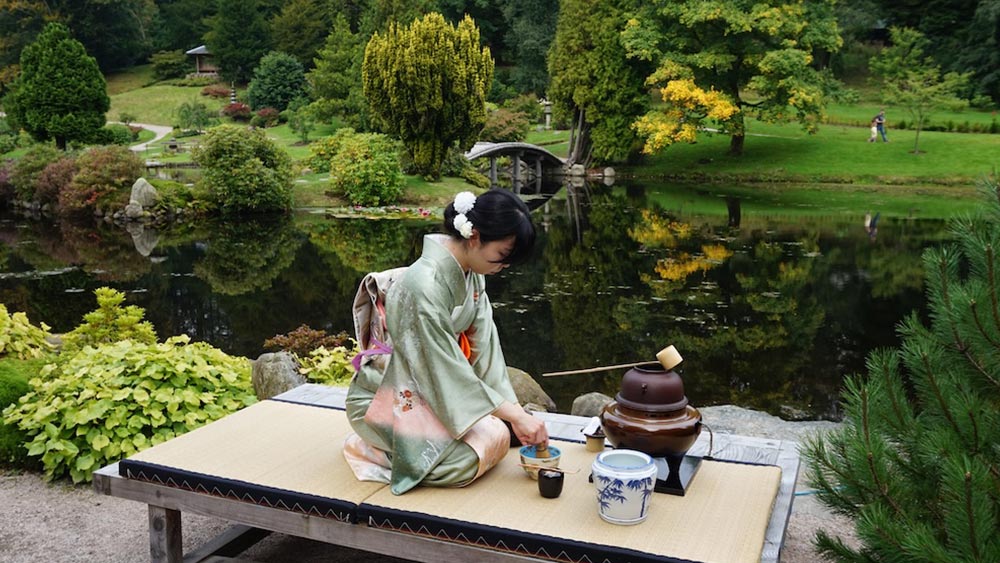
It has been 17 years since I entered the world of tea, studying Omotesenke, one of the three main traditions of the Japanese tea ceremony.
My journey began in primary school, continued through tea societies in secondary school and university, and today I still study with the same tea master who first set me on this path. Although there were times when I stepped away, I always found myself returning to the world of tea. While overseas, I have held tea demonstrations and gatherings.
As I deepened my practice, I came to see that the Japanese tea ceremony reflects a microcosm of a more sustainable way of living.
In this article, we will untangle the intersection of the Japanese tea ceremony and sustainability by exploring how this tradition embodies harmony with nature and the seasons, mindfulness, care for material things, and deep connections with others. Through these lenses, I aim to offer insight into how the spirit of tea can guide us towards a future in which people are truly rich in heart.
Table of Contents
- What Is the Japanese Tea Ceremony? An invitation to presence and tradition
- Savouring the present moment amid the waves of the seasons
- Freedom in restraint: how ritual creates room to breathe
- Whispers of time: tea implements bridging past and present
- Zen and tea: a spiritual unity beyond borders
- A shared moment of respect: the heart of hospitality in tea
- Richness unearthed through the Way of Tea
What is the Japanese Tea Ceremony? An invitation to presence and tradition
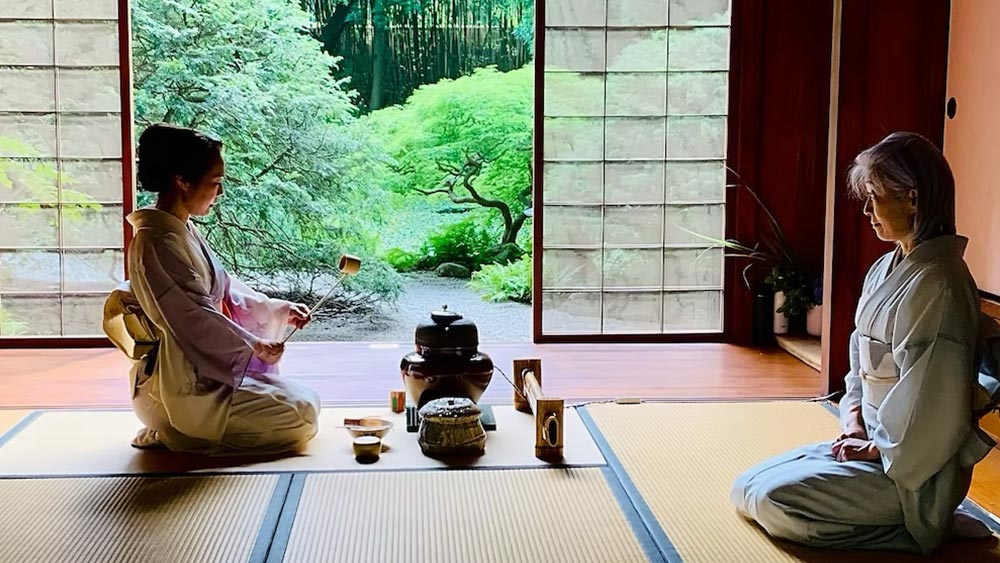
The Japanese tea ceremony, known as chanoyu, or the “Way of Tea”, may be familiar to some and new to others. At its simplest, it is the practice of preparing and having a bowl of matcha, powdered green tea. It is a deeply cultivated art form, refined over more than 450 years, and still being explored. In fact, even the most experienced tea masters are considered lifelong practitioners of tea. In chanoyu, mastery is not a destination but a path.
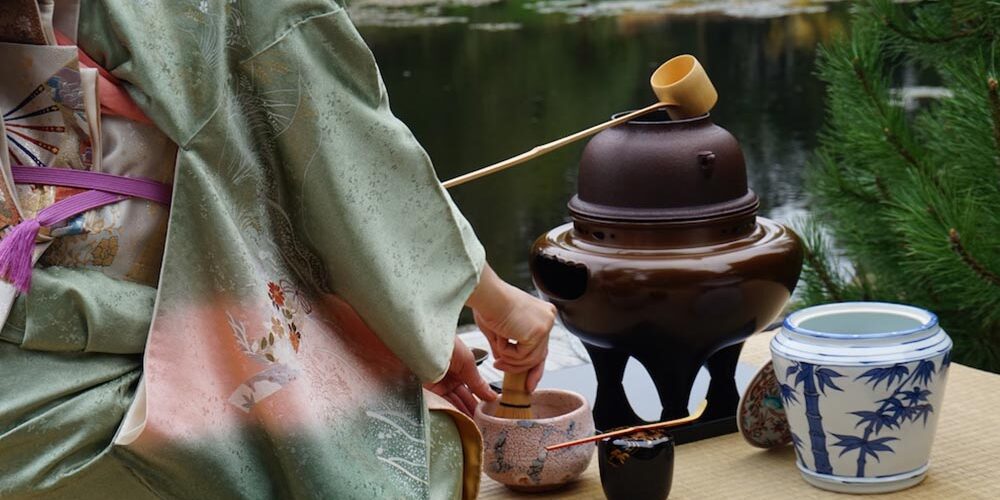
In practice, the host prepares a bowl of tea, and guests receive it while seated on tatami mats in a small tea room. The space is minimally decorated with seasonal flowers and a hanging scroll. A single gathering may last about 30 minutes.
Within this simplicity lies profound intention. The tea ceremony is often described as a “composite art” because it weaves together many elements of traditional Japanese culture. They include flower arrangement, calligraphy, ceramics, lacquerware, bamboo crafts, incense, sweets and garden design. Each element is not a mere decoration but an essential part of the experience.
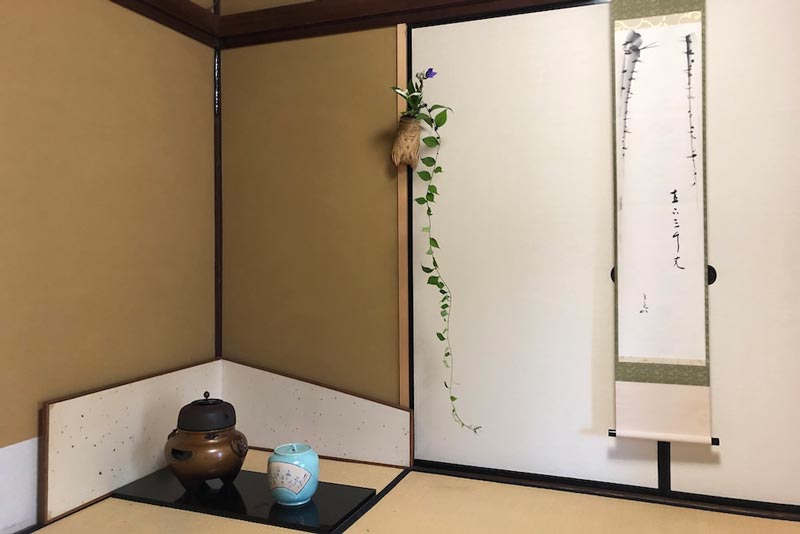
Every movement in chanoyu is prescribed by tradition. From the outside, it might look like a slow and overly formal way to make a simple cup of tea. Indeed, even in Japan, many who have never experienced it may view the tea ceremony as something stiff, elite, or unnecessarily complicated.
However, the essence of the Japanese tea ceremony is not in the rules themselves but in what they allow us to experience. Through the discipline of form, we are invited to fully appreciate the present moment. Every detail, every second, is an opportunity to notice, to feel, and to share time and space with others wholeheartedly, respectfully, and without distraction.
This is the aim of chanoyu: to cherish the here and now, together.
Savouring the present moment amid the waves of the seasons
The spirit of presence is perhaps most beautifully embodied in the way tea embraces the seasons.
The Japanese expression ichi-go ichi-e, “one time, one encounter”, originates from the tea ceremony and captures this awareness. Each gathering, no matter how familiar the setting or the company, is a once-in-a-lifetime moment. It reminds us to give our full attention, to cherish each encounter with sincerity and care.
In this sense, the passage of the seasons is woven into every aspect of the practice. The choice of equipment, the sweets, the flowers, and the sounds and sights of the changing seasons outside all come together to embody the time of year in the tea room. Tea and season melt into one, inviting us to notice the world around us, here and now.
Attunement to the delicate flow of the seasons is an essential part of tea. In earlier times in Japan, people’s lives were intimately tied to nature. As seen in the concepts of 24 sekki and 72 kō, which divide the year into twenty-four and seventy-two seasons respectively, people once lived in close rhythm with even the subtlest changes in the natural world.
Today, however, even the seasons are sometimes treated as obligations. We might feel that we should go see the cherry blossoms just because it is that time of year, as if marking off a seasonal to-do list. Yet somewhere deep down, we may wish to cherish those fleeting instants when drifting cherry blossom petals seize our attention, and we find ourselves quietly stilled, lost in the beauty of the moment.
The tea ceremony offers countless ways to savour the seasons with all five senses. In spring, there may be a tea bowl adorned with cherry blossoms, or a sweet shaped like a bush warbler. In summer, one might use clear glassware, offering a sense of coolness, while confections echo the gentle ripples of water.
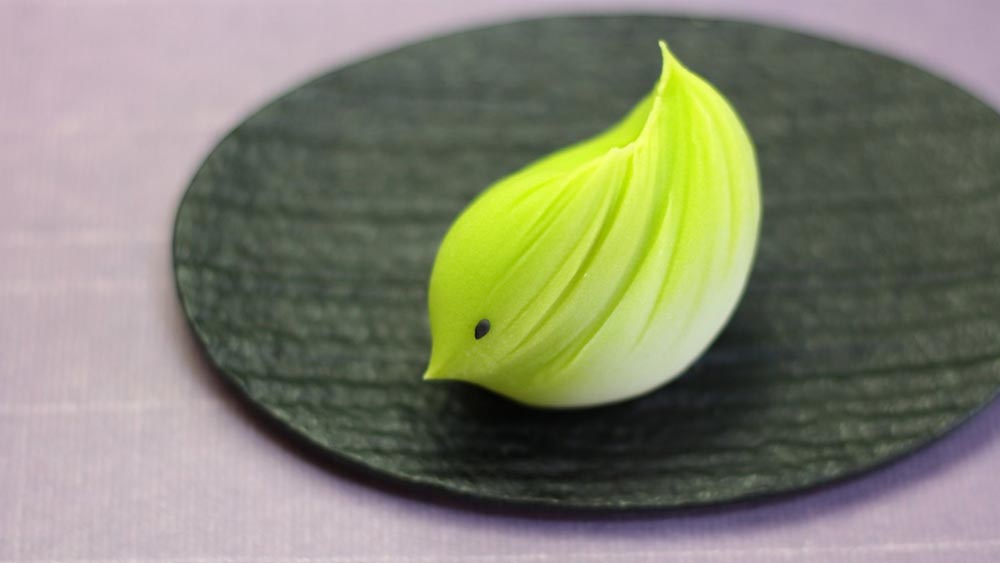
In autumn, sweets may reflect the season’s abundant harvest or vibrant leaves, and a hanging scroll might feature the Zen phrase “Scooping water, the moon rests in my hands”, evoking the image of the beautiful autumn moonlight caught in a handful of clear water. In winter, a camellia bud, resilient in the cold, might grace the alcove, while sweets shaped like snow bunnies made from soft white powder bring a smile to the guests.
Each element, including the tea utensils, the hanging scroll, and the flowers, is chosen in harmony with the season, helping us reconnect with the delicate beauty of the natural world.
In recent years, the timing of seasonal events like cherry-blossom blooms has shifted remarkably. These visible signs of climate change are a stark reminder of disrupted ecosystems and the profound effects on our lives and future. We live in a time when we are called to reconsider the illusion that humans exist apart from nature.
That is why the spirit cherished in the Japanese tea ceremony has even greater significance today: living in harmony with nature and holding it dear. It reawakens our awareness that we are a part of the natural world, nurturing a sense of coexistence and deepening our respect for the Earth.
Freedom in restraint: how ritual creates room to breathe
The Japanese tea ceremony is a practice that nurtures our ability to cherish the present moment, attune our senses, and fully appreciate the delicate beauty of the changing seasons. At the same time, it is a culture that honours the precise movements that make such mindfulness possible. During each moment, such as when the host prepares matcha and the guests enjoy tea and sweets, the proceedings follow an intricate set of rituals that may at first seem almost constraining.
The true essence of a tea gathering lies in connecting hearts over a single bowl of tea. To meet this moment with wholeheartedness, the practitioners devote years to mastering the exact form, or kata, painstakingly refined through repeated discipline and care. This form becomes the firm ground on which genuine connection is built.
Within this tradition, every movement is defined with exquisite subtlety. Whether it is how one walks on the tatami mats, wipes the utensils, folds the silk cloth, turns the tea bowl, or positions oneself exactly 16 squares from the tatami mat’s edge, each movement follows sacred precision. At first, it may even seem impossible to move without making a mistake, as if enclosed within invisible walls of formality known as sahou.
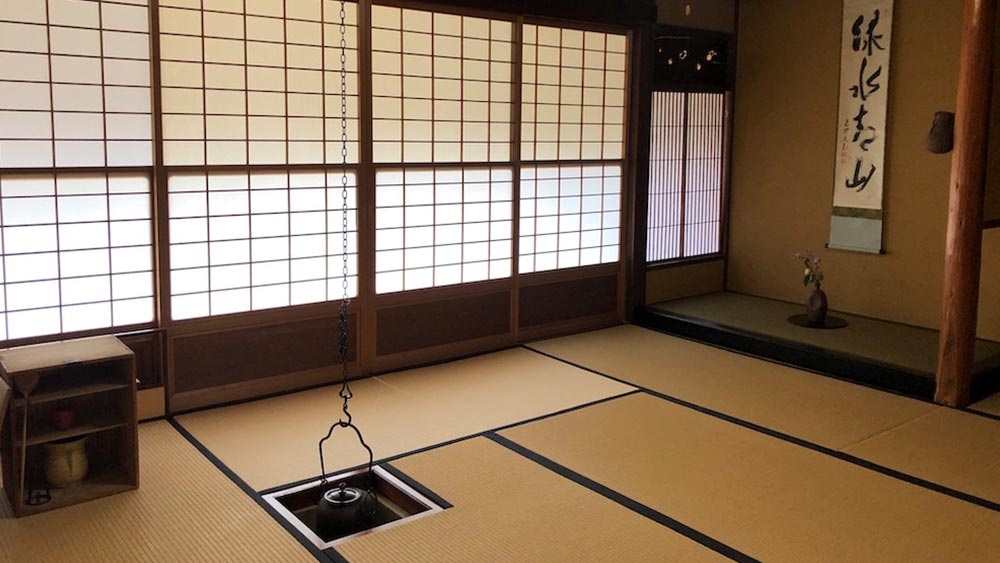
However, as the body learns to move within this graceful structure, a spaciousness blooms within the heart. While the body moves along the prescribed form, the mind quietly finds peace. As we yield to discipline, thoughts clear and the heart finds its balance. It is then that one can truly face the inner self, as if pouring the heart wholly into the form itself.
This inner spaciousness lets us notice delicate moments: steam rising from the kettle, curling into cloud; sunlight filtering through the garden trees, casting patterns on the tatami mats; the different sounds of pouring hot and cold water. It is precisely in those subtle, captivating moments, once unnoticed, that I feel the true richness of the heart is revealed.
It is a deep connection with one’s inner self, gained by embracing the framework of prescribed rituals, and a tranquillity of the heart that awakens us to the subtle beauties we often overlook in daily life. Within the seeming constraints of the set form lies a spaciousness within us. Through this paradoxical liberation, the Japanese tea ceremony is a world that nurtures a fulfilled spirit.
Whispers of time: tea implements bridging past and present
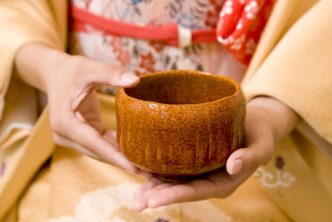
As the body yields to the form and the senses sharpen, one’s awareness gently shifts to the presence of the tea objects held in the hands. In the world of chanoyu, there is the idea of “nurturing” tea implements. Over time, they begin to show new expressions, revealing evolving beauty as they are used with care and passed from one generation to the next.
For instance, hosts often use a tea bowl for at least a year to cultivate it before serving guests. This attentive practice allows the utensils to grow in life and beauty.
Observing colours deepening, texture change, and gloss mature, one forms a bond with the tools. This fosters a sense of attachment, and they come to sit comfortably in the hands, imbued with a feeling of familiarity. This relationship may well embody a form of sustainability, both tangible and spiritual.
Indeed, some tea instruments in use today trace their history back to the time of Sen no Rikyu, who established the modern form of chanoyu in the sixteenth century. Ordinarily, such invaluable objects might be displayed in museums or regarded as too precious to use. However, in the Omotesenke practice, tea utensils are fundamentally not meant for display alone; they acquire true meaning only through actual use. It reflects the philosophy that an object draws breath in the warmth of the hands.
Practitioners hold gatherings amid utensils that carry the weight of history. This reverence for tools is not merely about preserving tradition; it fosters a spirit of sustainability that extends into the future.
Zen and tea: a spiritual unity beyond borders
When one senses the passage of time residing in tea implements cherished with care, a profound stillness arises; it is a serene awareness of standing within the flow of history. This tranquility, rooted in tangible objects, overlaps with the ritualistic and almost sacred atmosphere of the tea ceremony, revealing its deep roots in Zen. Remarkably, this subtle presence seems to transcend cultures and borders, touching hearts across the world.
Whenever I go abroad, I bring a minimal set of tea utensils. Whether in Scotland, Mexico, or the United States, each time I prepare tea, I witness how the surrounding air naturally quiets and how everyone’s attention sharpens. One participant called the experience “hypnotising”. Indeed, as matcha and tea ceremony knowledge gradually spread outside Japan, it has become increasingly common to see chanoyu as a form of meditation.
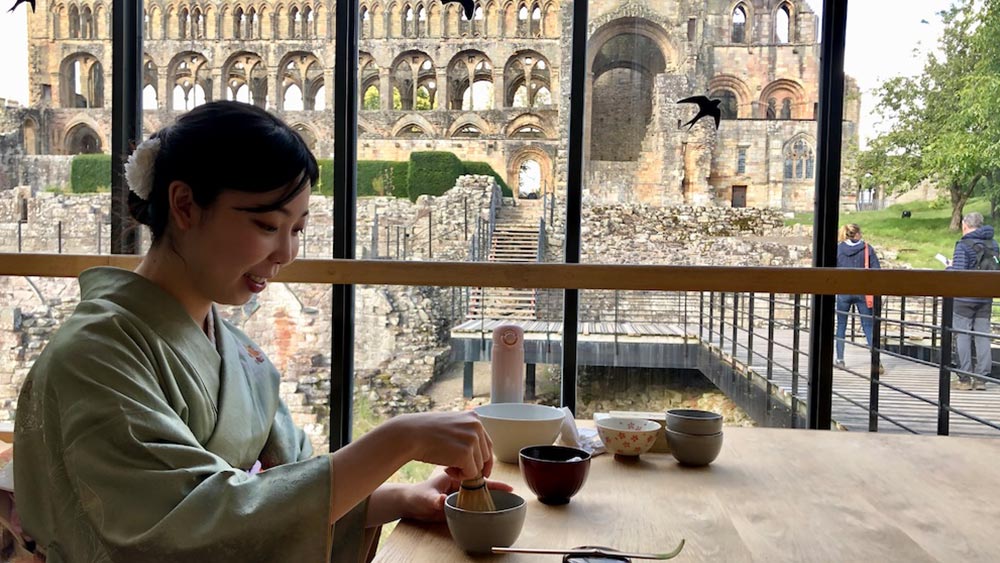
Perhaps this is because the spirit of Zen breathes at the heart of tea practice. As the saying cha-zen ichimi, “tea and Zen are one flavour” puts it, chanoyu and Zen are essentially inseparable. The disciplined practice of following prescribed bodily movements and positions with a clear mind, caring for others and living in harmony with nature resonates deeply with Zen’s path towards enlightenment.
I remember personally feeling this connection during a week-long intensive tea training at Fushin’an, the Omotesenke school’s capital in Kyoto. Living on site, waking each day at 5 a.m. to join morning sutra chanting with fellow participants at Myōken-ji Temple, quickly donning kimono, rushing to the tea house, immersing ourselves in tea practice, and retiring late at night… these made for a physically and mentally demanding schedule.
Completely cut off from electronic devices and free from the distractions of information overload, those intense days offered a rare chance to contemplate the essence of tea and face inward. Spending a week absorbed in tea with companions brought a still, focused calm similar to Zen meditation. It was a deeply personal experience that affirmed for me how chanoyu is a practice of spiritual discipline.
A shared moment of respect: the heart of hospitality in tea
The Japanese tea ceremony is not only introspective; it is also a shared, fleeting moment of heartfelt connection between host and guest, as expressed by the phrase ichiza konryu. This essence of tea, grounded in a deep regard for others, offers a lesson in empathy that extends beyond the tea room, inspiring a peaceful society built on mutual respect.
The host welcomes guests with sincere hospitality, attending meticulously to every detail: purifying the tea room, preparing the tea and sweets, arranging the kettle and tea caddy, and decorating the space with a calligraphy scroll and seasonal flowers. These delicate preparations shape the atmosphere of the gathering, quietly conveying the host’s sentiments to those present.
Yet hospitality in the tea ceremony is not a one-way gesture. Guests receive the host’s care with gratitude and a mindful heart, cherishing the shared moment. The tea room thrives on this mutual respect and honour between host and guests.
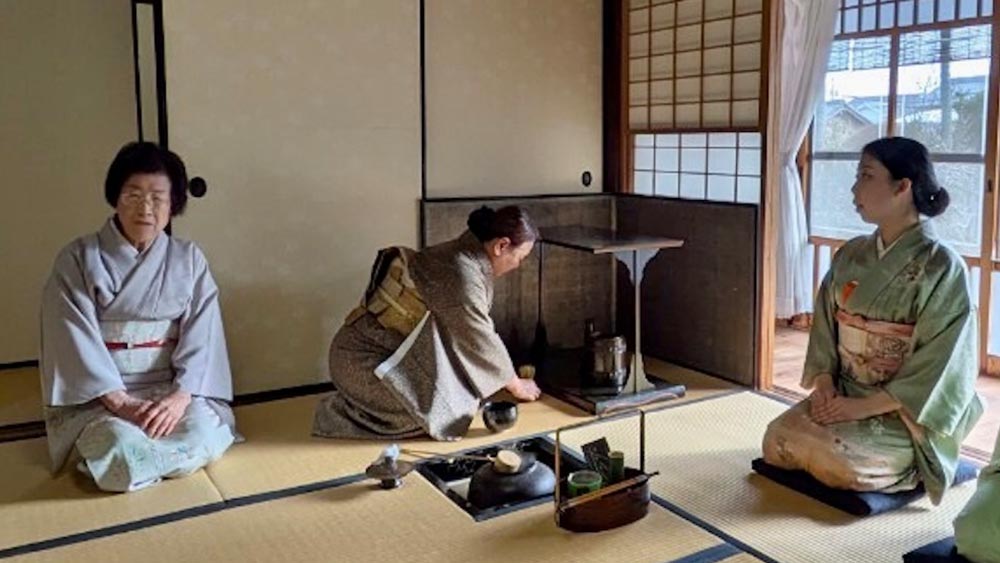
In March 2025, I had the honour of attending a speech by Yuyusai Sosho, the fifteenth-generation Grand Master of the Omotesenke school, in the Library of Congress in Washington D.C. He shared a memorable episode from just before his master’s studies at the University of Buckingham in the United Kingdom: a farewell tea gathering hosted in his honour.
In the alcove of the tea room hung a painting of a grand ship sailing through waves, accompanied by the phrase, “A steel ship of three hundred jo fears not the towering crests of the sea” (jo is an archaic Japanese unit of measurement). In front of the scroll stood a flower vase shaped like a boat, named Jumpu, meaning “Favourable Wind”.
The Grand Master explained that, without use of a single word, the host’s feelings were naturally conveyed through this setting: prayers for a safe journey and encouragement not to fear any hardship abroad. The quiet message of care and support was felt deeply through the subtle arrangement itself.
This story moved me deeply. It showed that heartfelt communication need not always be spoken aloud. Sometimes, it is through such subtle and elegant gestures that warmth slowly spreads in the heart. Rooted in quiet attentiveness and respect for others, this spirit of tea can ripple outward and help shape a more mindful world.
Richness unearthed through the Way of Tea
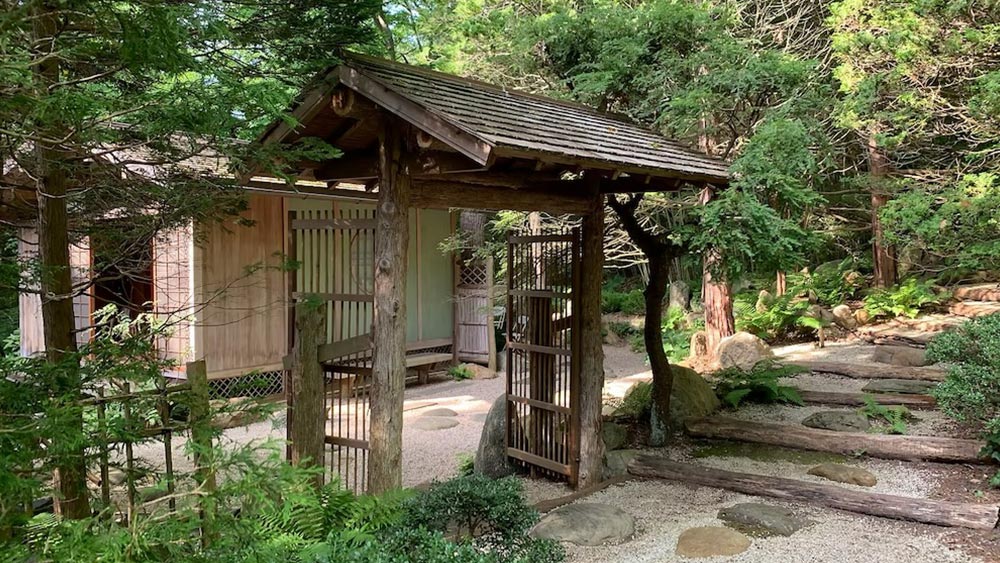
Amid the busyness of everyday life, the tranquility of the tea room offers a practice of surrender to form and, through it, a path to inner release.
It teaches us to care for one another, to savour the changing seasons alongside our teachers and companions, and to be moved by the smallest happenings. In those moments, we begin to recognise the brilliance of the present, which in time becomes a source of richness that colours the future.
The Japanese tea ceremony expands our sensitivity and grows our capacity to receive irreplaceable moments: the glimmer of nature slumbering in daily life, the weight of time felt through the texture of a tea bowl, the beauty held in the subtle signs of the season. Through this, even the most ordinary of days becomes illuminated.
As we gain the strength to face ourselves, cherish bonds with others and stay connected to nature as it shifts day by day, we come to know, with our whole being, the preciousness of living fully in the present.
It also grounds us in something larger: the legacy of a tradition passed down for over 450 years, and the sweeping current that carries it forward into the future. Within this dynamic flow, the tea ceremony offers a tangible sense of what it means to truly live in the present.
To live this present moment fully, held between past and future, is to foster peace within our own hearts. It becomes a foundation for protecting both human dignity and the Earth’s well-being. In this way, the sensibility cultivated through tea is not only a source of personal depth but also an essential element for building a sustainable future.
Originally published on IDEAS FOR GOOD.