 Zenbird Editorial Team
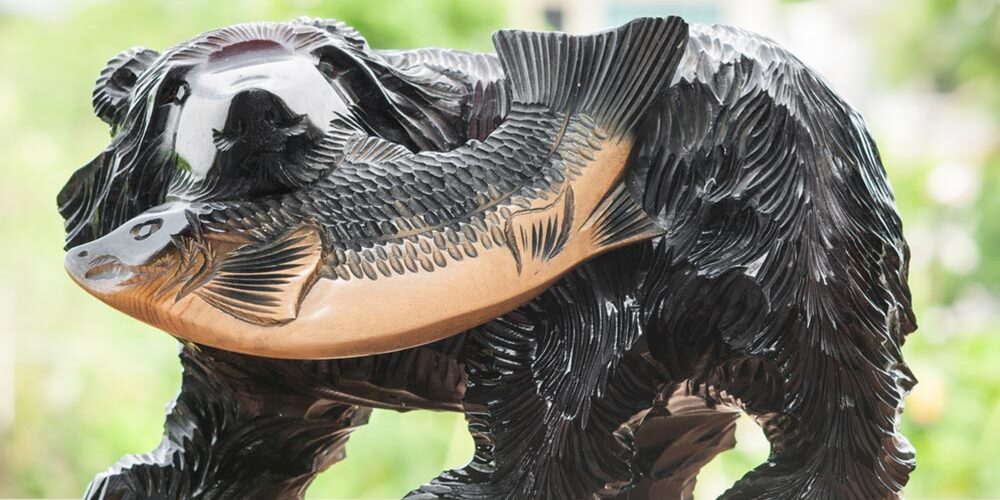
The “Re-Bear Project,” led by a company in Toyama Prefecture, is upcycling carved wooden bears to give these forgotten figures a new purpose. Once popular souvenirs from Hokkaido that now gather dust in homes across Japan, are being transformed into unique works of art.
The project takes the traditionally dark and heavy wooden bears and places them in the hands of contemporary artists. The results are varied and imaginative, with some bears adorned with fungi and others riding skateboards made of yarn. Since the project began in 2020, more than 100 bears have been given a new lease of life.
View this post on Instagram
Masanori Ito, the company’s president and a native of Makubetsu, Hokkaido, started the project after repeatedly encountering the disused bears while sourcing old furniture. His company specialises in upcycling traditional items, such as combining antique chests with fluorescent acrylic panels. He saw a similar potential in the bears as new works of art.
The reimagined bears are sold as one-of-a-kind pieces online and at special events, with prices ranging from ¥30,000 to ¥300,000. They have become popular as housewarming and retirement gifts, and as good luck charms for businesses. The project sources its bears from house clearances, ensuring that only mass-produced souvenir items are used. Works by famous carvers are preserved and sold in their original state.
A portion of the sales is also donated to Yakumo, a town in Hokkaido considered one of the birthplaces of the wooden bear carving tradition. This contribution helps to preserve the original craft for future generations.
[Website] Re-Bear Project (Japanese)[Reference] 47news (Japanese)
More on art and design in Japan
- 2026-02-25: Fukushima regional growth through arts, exhibits comes to Tokyo on 11 March
- 2026-02-19: Heralbony earns B Corp certification for its artist first business model
- 2026-01-28: Mystic Forest turns waste into immersive public art in Tokyo
- 2026-01-10: Upcycling traditional Sashiko into interactive tech interfaces
- 2025-12-26: Nirasaki Model turning vacant shops into new business opportunities