 Zenbird Editorial Team
The Japanese government has announced specific new standards to certify plastic products with superior environmental designs, a move aimed at accelerating the country’s transition to a circular economy. The criteria, published by the Ministry of Economy, Trade and Industry (METI) on 24 July, will create a formal certification system for products that are easier to recycle or use less material.
The move is a key measure under Japan’s Act on Promotion of Resource Circulation for Plastics, which came into force in April 2022. The goal of the certification system is to provide consumers with a clear guide for sustainable choices while encouraging manufacturers to innovate in product design.
Initially, the standards will apply to four product categories: PET bottles for soft drinks, stationery, household cosmetic containers, and household detergent containers. To receive certification, products must meet detailed requirements focused on material reduction and recyclability.
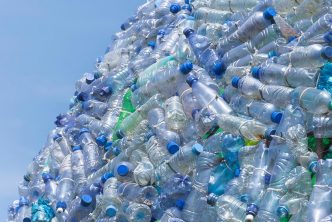
For soft drink PET bottles, the criteria, developed with the Ministry of Agriculture, Forestry and Fisheries, mandate that bottles must be uncoloured and made from a single material. Furthermore, they must contain a combined total of at least 15 per cent recycled or bio-based plastics.
The standards for stationery, such as clear files and binders, offer manufacturers several pathways to compliance. These include reducing plastic use by at least 20 per cent compared to conventional products or using specified high percentages of recycled materials.
For household cosmetic and detergent containers, which are often designed for repeated use with refills, the rules are particularly stringent. The criteria set limits on the amount of plastic used relative to the product’s volume and require significant use of recycled materials. For certain refillable cosmetic bottles, the required recycled material content is as high as 60 per cent.
A significant incentive for businesses is the integration of this certification with Japan’s Green Purchase Act. Products that earn the new certification will be designated as items for consideration in public procurement, effectively creating a market driven by national and local government bodies. The government will also offer support for capital investment in recycling facilities needed to produce the certified goods.
The new standards are set to become effective next year on 24 January 2026.
[Reference] Ministry of Economy, Trade and Industry Press Release (Japanese)More on circular economy in Japan
- 2026-03-05: Sangetsu and TEIJIN FRONTIER launch horizontal recycling system for curtains
- 2026-03-03: Takenaka Corporation releases Circular Design Build Concept Book
- 2026-03-03: Sustainable craft gin supporting Hakuba Village forest preservation
- 2026-02-28: FamilyMart stores soon to become reuse hubs for Bookoff services
- 2026-02-19: Japanese craftsman launches Repair Glass upcycling broken wine glasses