 Zenbird Editorial Team
Meteorologists and weathercasters across Japan have issued a joint statement emphasizing the critical link between daily weather patterns and climate change. This follows in light of the latest IPCC report, which attributes the increasing severity of natural disasters to human activities. The meteorologists’ collective effort aims to enhance public understanding of the climate crisis and drive actionable change.

The statement, titled “Connecting Daily Weather to Climate Change to Safeguard Lives and the Future,” reveals the urgency felt by weather professionals. A survey of 130 meteorologists and weathercasters revealed that 99% are deeply concerned about climate change, with over 90% expressing a sense of urgency in their weather reporting. More than 80% believe they should communicate more about climate change in their forecasts.
Meteorologists and weathercasters hold a unique position as trusted voices in the media. They can reach vast audiences regularly, making them ideal messengers for the complexities of climate change. According to a survey by Yale University, around 70% of people worldwide seek information on how to address climate change. In Japan, 55% of respondents consider climate change “very important” or “extremely important,” while only 12% regard it as “not important.” Despite this interest, another survey indicated that only 33.6% of people are taking actions towards decarbonization, highlighting a gap between concern and action.
The IPCC Sixth Assessment Report states unequivocally that human influence has warmed the atmosphere, ocean, and land. Extreme weather events such as heatwaves, heavy rains, floods, and droughts have already caused severe damage globally, threatening food security, agriculture, and daily life. Recent research, including event attribution studies by meteorological institutes, has increasingly linked specific weather events to climate change.
Despite the urgency, weathercasters face significant challenges in conveying the climate crisis. The survey identified limited broadcast time, the complexity of the topic, and a lack of interest among viewers and within media organizations as major obstacles. To overcome these challenges, the meteorologists are advocating for expanded broadcast slots and enhanced collaboration with media professionals and climate experts.
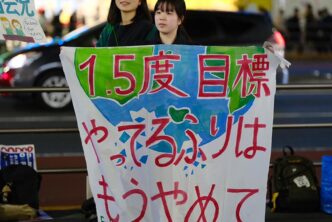
The UN Information Centre’s climate campaign, “1.5°C Commitment – Act Now to Stop Temperature Rise,” has entered its third year with participation from 160 media outlets. Meteorologists and weathercasters are joining this effort to personalize climate change and promote solutions. They plan to engage more actively with media professionals to secure the necessary airtime and foster a deeper understanding within newsrooms.
By linking daily weather reports to the broader issue of climate change, meteorologists and weathercasters aim to make the climate crisis more tangible for the public. This initiative is not just about raising awareness but also about driving behavioral change. The joint statement is a call to action, urging society to recognize the urgent need for climate solutions.
More on the climate crisis in Japan
- 2026-11-17: Circular network recycles over 90 percent of island waste plasterboard
- 2026-11-09: Connecting cities to scale the circular economy in Asia-Pacific: Where Bangkok, Makassar, and Cebu stand today [APCC 2026 Report]
- 2026-11-05: Asia-Pacific takes on plastic pollution: The future of a global treaty and practical lessons from cities and local governments [APCC 2026 Report]
- 2026-11-04: Renet Japan trials appliance takeback across 7 Yahoo! Shopping stores
- 2026-10-26: Circular economy starts in cities: Asia-Pacific takes its first step from declaration to action [APCC 2026 Report]