 Zenbird Editorial Team
Too Good To Go Japan announced last month that its food waste reduction application reached 250,000 registered users within one week of its official launch. The service originated in Denmark, commenced operations in Japan on 28 January.
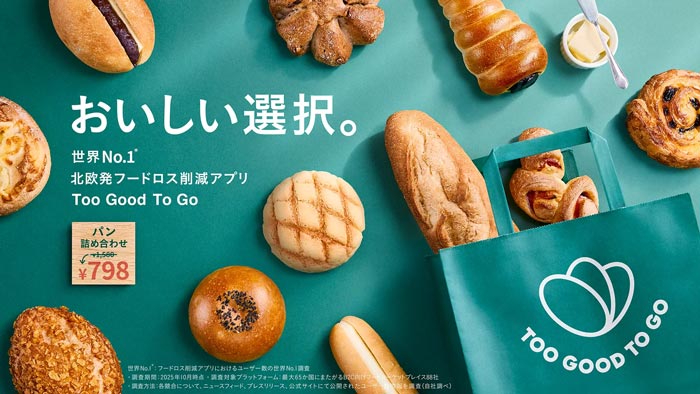
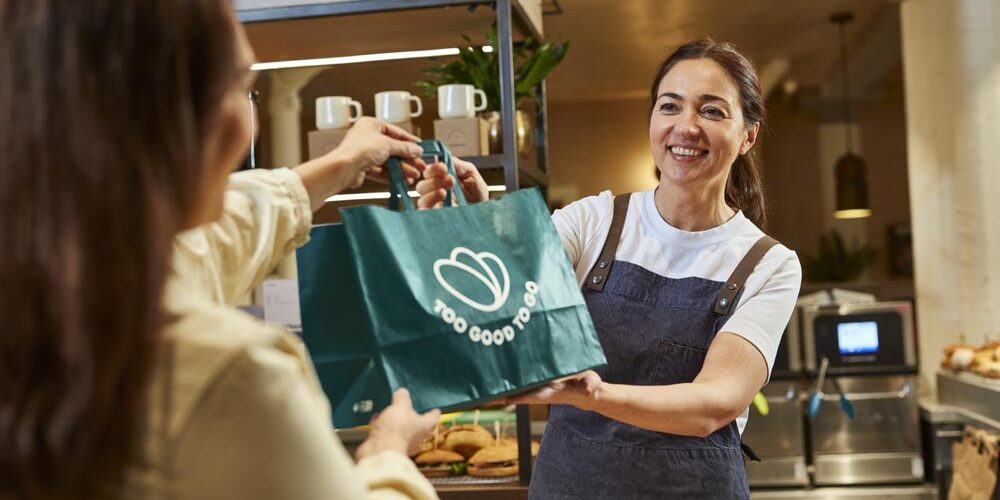
The service initially focuses on the Shinjuku, Shibuya, and Meguro areas of Tokyo, collaborating with more than 80 establishments. The platform allows restaurants and retailers to sell surplus food as Surprise Bags. Users reserve these bags through the app and collect them at specified times. Prices are generally set at half the original retail price or lower, allowing businesses to generate revenue from items that were previously destined for disposal.
Initial data from the launch indicates significant consumer engagement and benefits for participating businesses. An internal survey revealed that 61% of users chose stores they had never visited before, and 92% expressed a desire to make repeat purchases. Furthermore, 41% of users purchased additional items when collecting their Surprise Bags, contributing to an increase in average customer spend. Major chains including Krispy Kreme Doughnuts, FamilyMart, and NewDays have joined the platform alongside independent local shops.
The business model for Too Good To Go consists of a monthly fee paid by the stores and a commission charged on each Surprise Bag sold. This commission varies based on the sale price of the bag. For businesses, this system reduces waste disposal costs while monetising surplus inventory. Globally, the company has prevented the waste of over 500 million meals, which equates to a reduction of approximately 1.35 million tonnes of CO2 equivalent.
The service will contribute the solution to the food waste problem in Japan. According to 2025 estimates from the Ministry of the Environment, Japan produces approximately 4.64 million tonnes of food waste annually. Business-related waste, including unsold products and returns, accounts for 2.31 million tonnes of this total. Food waste is estimated to contribute roughly 10% of global greenhouse gas emissions. Reducing loss at the retail and food service levels directly prevents the waste of energy and resources invested during production.
Hiroto Ooka, representative of Too Good To Go Japan, shared hopes to expand its service areas as quickly as possible. He noted the importance of making food waste reduction a daily choice rather than a special action. The rapid acquisition of users in the Japanese market suggests a high level of consumer interest in both cost savings and sustainability.
[Reference] PR Times (Japanese)