 Hikaru Uchida
Living in the era of high technology, productivity and convenience, we tend to disapprove of inconvenience. All household chores that were once done by hand are now done by machines, and can be completed at the touch of a button. While the inconvenience is removed, you may be missing out on a benefit that you should not give up: this benefit is the inconvenience benefit.
“Benefits of inconvenience”
“Fuben eki (不便益)”, often translated as benefits of inconvenience, is another term that completely changes the way one sees things. It means something good that arises because it is inconvenient, but apparently, it may make no sense at first glance – how on earth the inconvenience becomes the benefit?
Hiroshi Kawakami, a professor at Kyoto University of Advanced Science who has been working on the topic for over twenty years, says that “the benefit of inconvenience” is about looking at the benefits that were originally provided by actions that have been replaced by technology. For example, you can easily look things up anytime anywhere on the internet, and as a result, you don’t have to go to the library where you might discover something new. Although flowers require care, people tend to prefer fresh flowers to plastic ones because they know that the more time they spend with the flowers, the more they love them.

Fuben eki in Japanese traditional culture
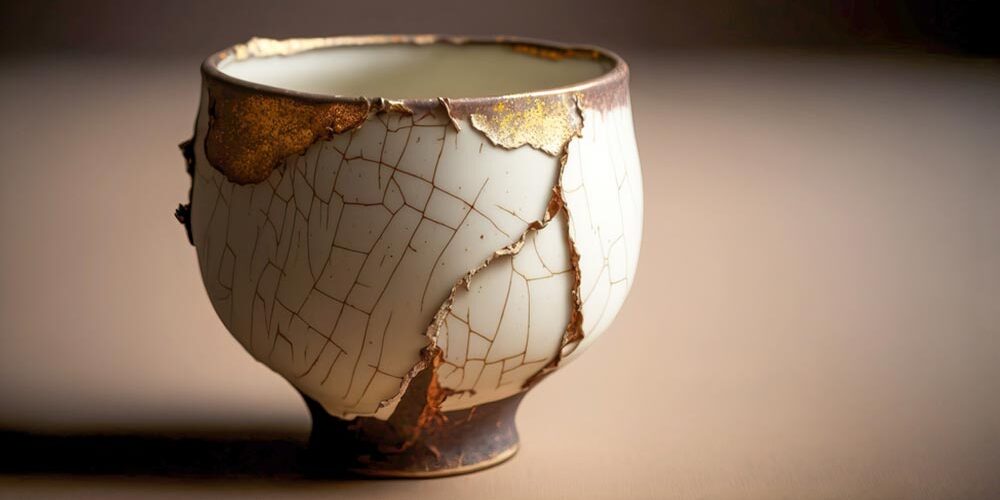
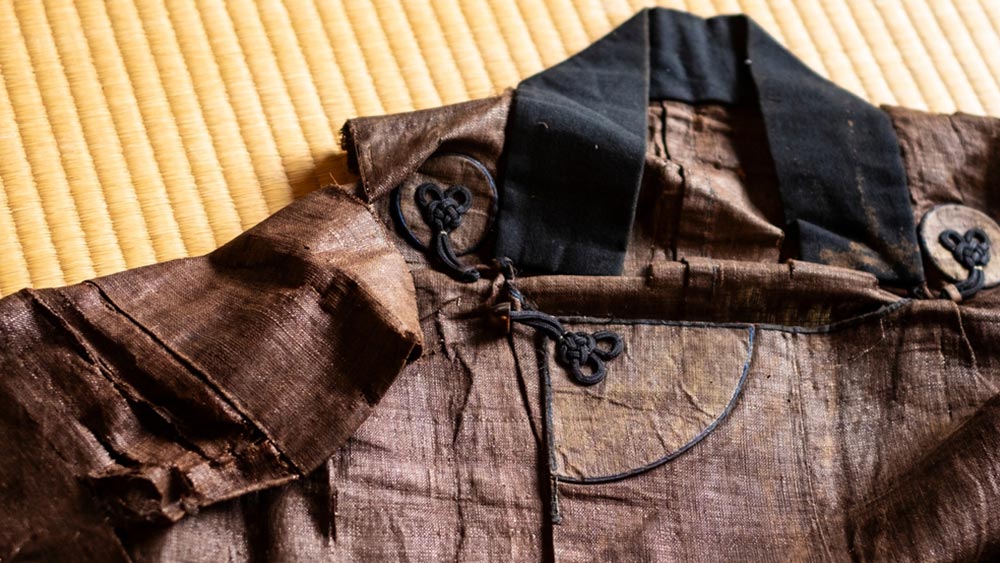
Fuben eki can also be understood in terms of sustainability, as the pursuit of convenience often drives mass production, which in turn leads to increased resource consumption and waste, particularly within capitalist economies. For example, kintsugi, the Japanese art of repairing broken pottery with gold or silver powder, is a culture born from inconvenience and time without abundant resources. Japanese traditional kimono fabric is sewn together in straight as it is because it is designed to be disassembled and reused by the family as another kimono after it is no longer worn.
As times change, so do ideas
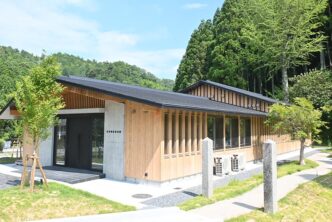
This is merely wisdom from past ages, and some have already integrated the concept of fuben eki not only into daily life but also into business and urban planning. An architect, Tanijiri said in an interview “If everything were available in one place, like a shopping mall, people would not bother to walk around town. The inconvenience of not having everything in one place leads to walking around town and meeting new stores and people”.
Practices such as the 3R principle (reuse, reduce, and recycle), dedicating time to a meaningful task, and intentionally taking the long way around all align with the philosophy of fuben eki. Those who don’t know about fuben eki would think what an inconvenient era it is to not be able to do what you want immediately but I believe we should leave such thoughts behind as we say goodbye to the age of mass production and consumption. Ease and convenience are not necessarily beneficial to either oneself or society.