 Zenbird Editorial Team
When emergency food stock for disaster preparedness gets replaced, huge amounts of food waste becomes a dire challenge. However, the non-profit organisation Food Bank Aichi presents an outlet, providing a sustainable solution for companies and municipalities dealing with large quantities of emergency food supplies nearing their expiry dates.
Organisations in Japan often stockpile hundreds or thousands of emergency food items for disaster preparedness. When this stock requires replacement, the disposal of large volumes of food incurs industrial waste processing and transport fees, which can amount to substantial costs. This practice also generates carbon emissions and can negatively affect a company’s public image.
Furthermore, donating these items is often complicated. Many food banks are forced to decline such offers, citing reasons such as insufficient storage capacity or limitations on the types of items they can accept. This leaves company officials with the time-consuming task of finding suitable recipients.
Food Bank Aichi addresses this issue directly. The organisation has established a nationwide network, stretching from Hokkaido to Okinawa, that enables it to accept bulk donations. It acts as a central coordinator, accepting large quantities of food or connecting donors with the nearest suitable food bank in its network. This system transforms a costly disposal problem into a valuable social contribution.
The donated food is distributed to a wide range of beneficiaries, including children’s cafeterias, single-parent households, welfare facilities, and students facing financial hardship. To ensure safety, the organisation requires that donated items are unopened, have been stored correctly, and have at least three months remaining before their expiry date, though exceptions can be discussed.
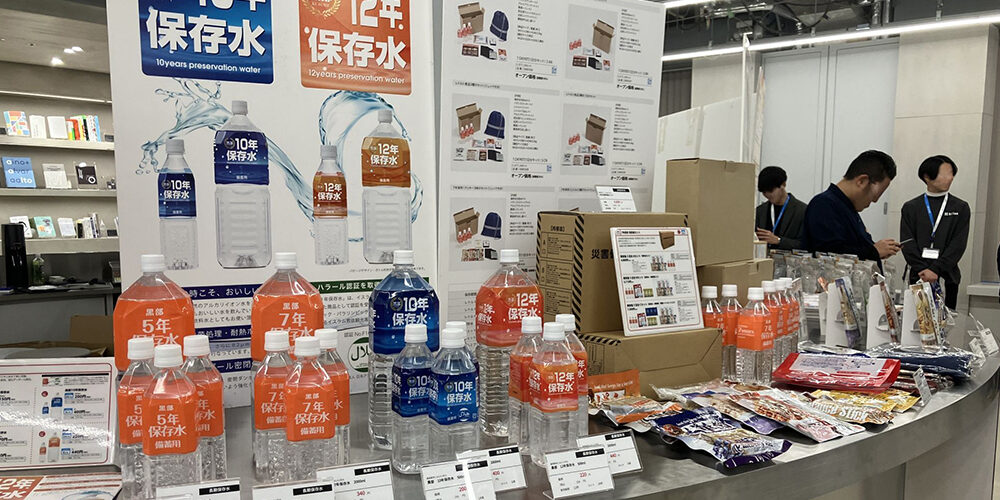
The Food Bank Aichi booth will detail the donation process at the Disaster Preparedness Forums. It will also provide information on the “rolling stock” method, a strategy that helps organisations manage their supplies more effectively. Their booth booth will allow visitors to learn about the mechanism that transforms emergency food from a disposal problem into a valuable social resource.
[Reference] PR Times (Japanese)