 Roger Ong
For coffee lovers, a looming threat hangs over their favourite drink. In Japan, we call it the “Kōhī 2025-nen Mondai,” or, translated literally, the “Coffee 2050 Problem”. It refers to a future crisis in which the world may struggle to meet demand for coffee by mid-century, due to the severe impacts of climate change on production.
Even so, Japanese businesses are turning this challenge into a catalyst for sustainability and circularity. Before that, let us first understand what the Coffee 2050 Problem is.
What is the “Coffee 2050 Problem”?
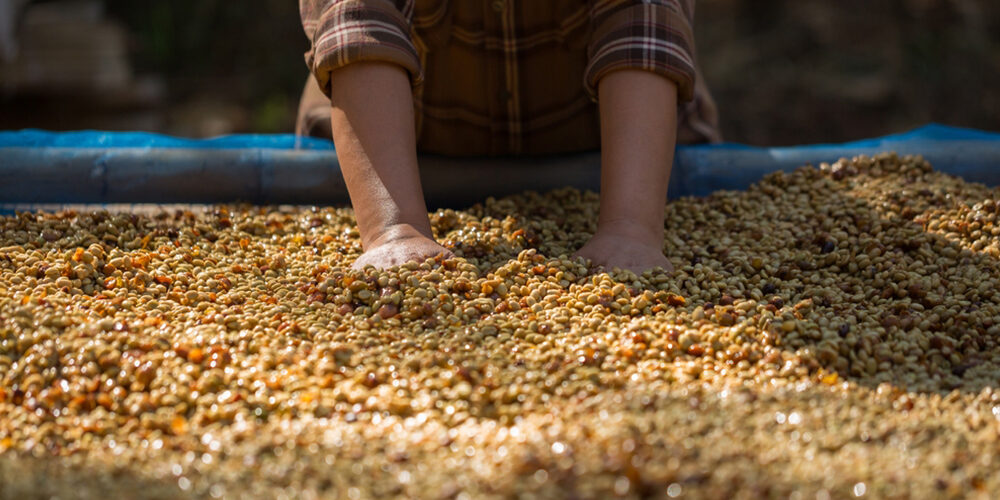
The “Coffee 2050 Problem” refers to the convergence of environmental and social crises threatening the global coffee supply chain. At its core is the impact of rising global temperatures. Scientific studies suggest climate change could halve the land suitable for growing high-quality Arabica coffee by 2050.
Several factors are driving this crisis. One is extreme weather, with floods, storms and droughts damaging crops and infrastructure. Climate shifts will also spread pests and diseases, particularly at higher altitudes where coffee is grown. Coffee farmers also face socio-economic pressures, living in low-income communities that make adaptation difficult.
So, we see that the crisis risks disrupted supply chains, price volatility and shortages. Worse, it could wipe out the livelihoods of millions of smallholder farmers who produce the majority of the world’s coffee.
How Japan is approaching the Coffee 2050 Problem
Though well known within the industry, there hasn’t been a term that feels immediate or accessible. Japan has turned an abstract environmental issue into a concrete deadline for industry and consumers by attaching a specific year.
As such, the Coffee 2050 Problem becomes a clear rallying point for Japanese companies, from large corporations to speciality cafes. They are are actively responding to the issue with strategies rooted in sustainability and circularity. Here are some of the efforts that span the value chain, from investing in sustainable agriculture to redesigning the cafe experience and cultivating more conscious consumers.
Ueshima Coffee (UCC)
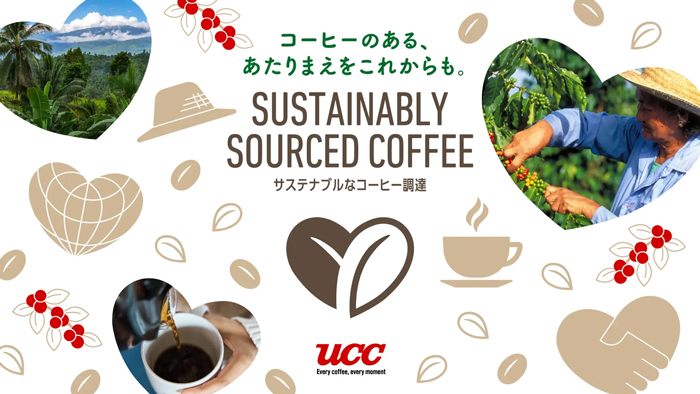
UCC Group, one of Japan’s largest coffee enterprises, is strengthening its supply chain by increasing the share of sustainably sourced beans. In regions like Tanzania, it partners with international organisations to support smallholder farmers. This includes training and the implementation of climate-adaptive farming practices to mitigate risks from changing weather patterns.
KEY COFFEE
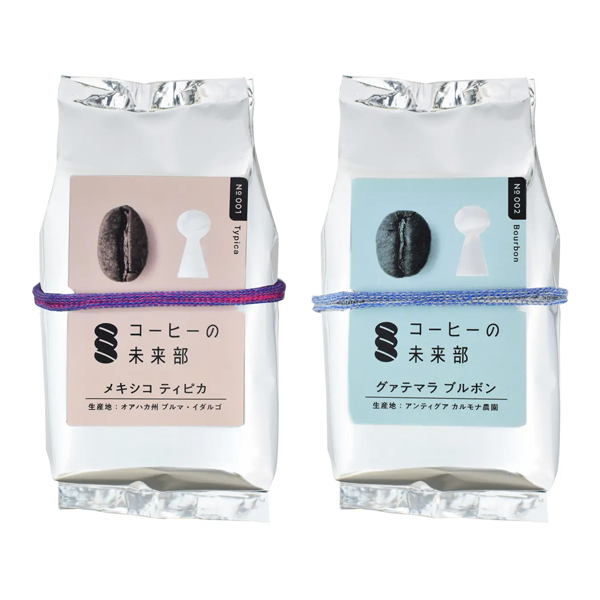
KEY COFFEE is tackling the problem scientifically by investing in the future of the coffee plant. The company supports the vital work of World Coffee Research (WCR), a global non-profit agricultural research organisation. This funding aids international field trials that test new and existing coffee varieties for resistance to heat, drought and diseases such as coffee leaf rust. By supporting this foundational research, KEY COFFEE helps ensure farmers have access to resilient, high-quality coffee plants for decades to come.
Kurasu
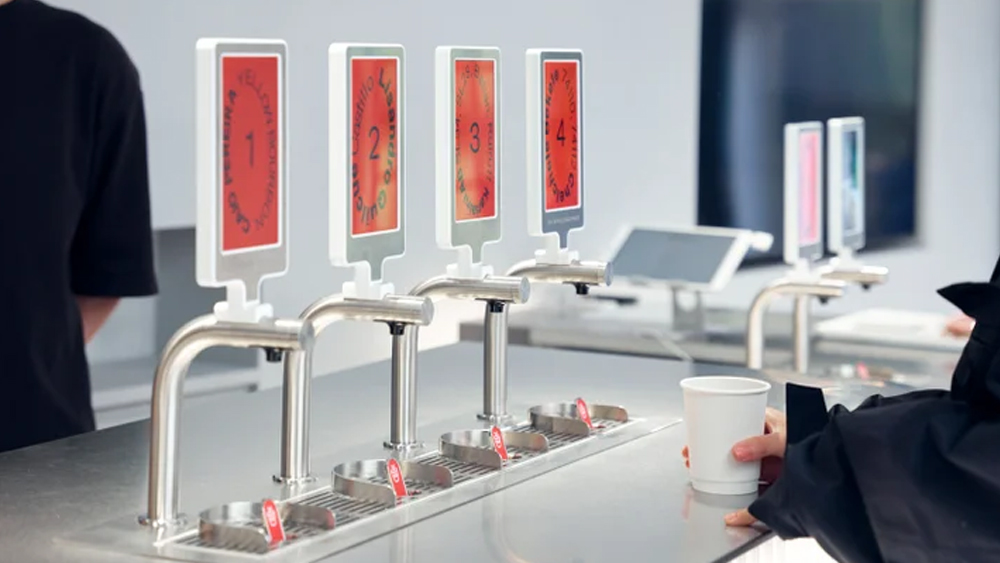
Kyoto-based roaster Kurasu operates 2050 COFFEE, a brand created in response to the Coffee 2050 Problem. The brand sources beans from producers using sustainable and regenerative farming practices and aims to scale a streamlined, efficiency-focused café model. In stores, 2050 uses tap systems for coffee and tea to speed service, and encourages customers to bring their own tumblers to cut single-use waste, all while building long-term relationships with sustainable producers.
Rio Coffee
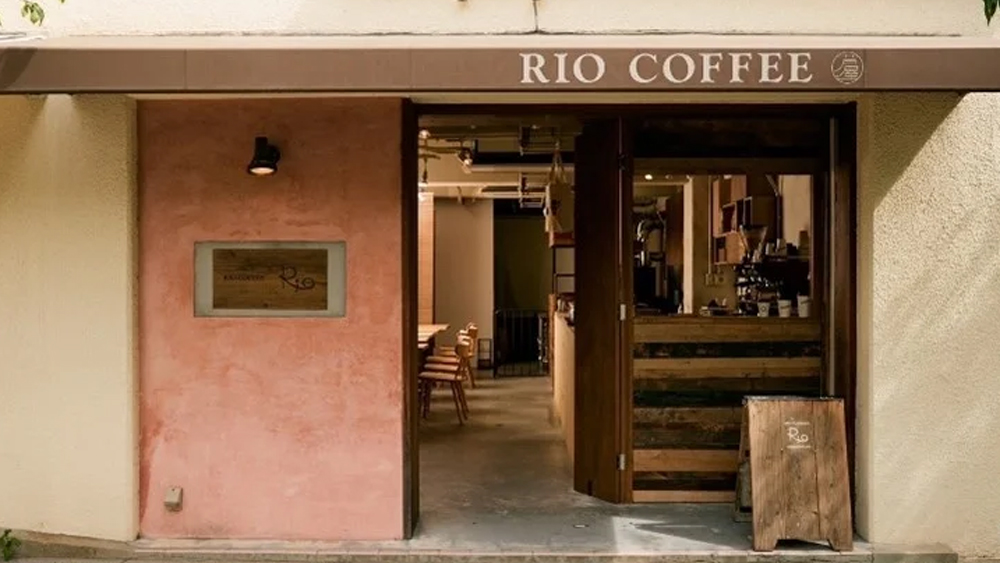
Rio Coffee is making CO₂ impacts visible across the coffee chain. Through the Value Way project, it conducts field surveys with an international NGO in Africa to measure production-side emissions, and uses a consumer app to visualise per-cup CO₂. There are plans to record data from production through recycling on a blockchain. In Japan, it is piloting reduction measures such as turning café coffee grounds into biochar, promoting behaviour change and a measure-reduce-verify loop that can scale over time.
Ogawa Coffee

(Image: Roger Ong)Ogawa Coffee is fostering an ethical coffee culture. The company places environmental and social standards at the forefront of its procurement, roasting and cafe operations. By expanding its range of certified sustainable beans and actively educating both staff and customers, Ogawa Coffee wants to establish a new purchasing standard in which “deliciousness” is synonymous with “ethical production”. This approach empowers consumers to understand that their choices directly support producer livelihoods and long-term supply stability.
BIKAS COFFEE
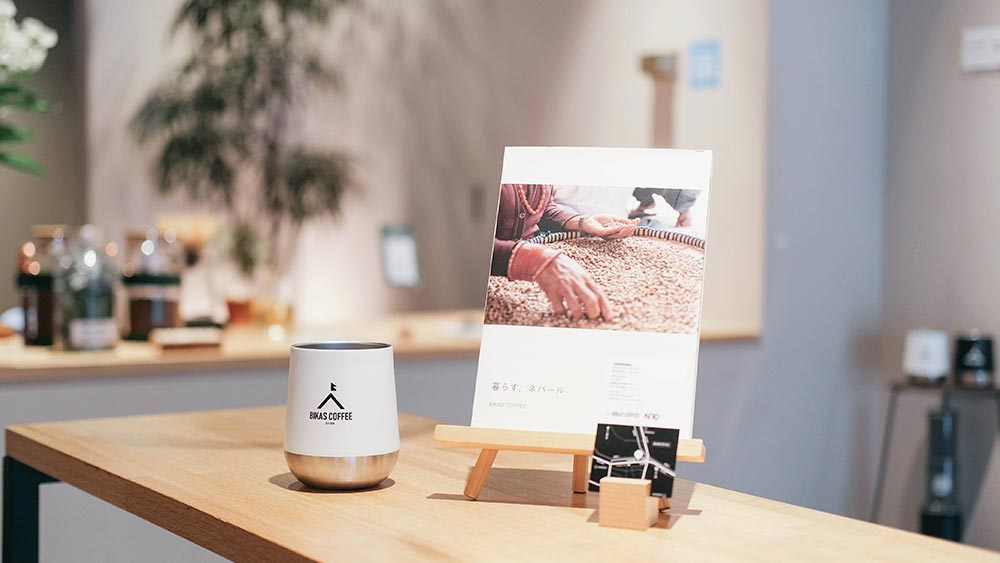
BIKAS COFFEE exemplifies demand-side empowerment by creating a direct, fair-trade link between coffee farmers in Nepal and consumers in Japan. It focuses on climate-resilient beans and uses strong storytelling to convey producers’ backgrounds. Through direct sales at markets and pop-up events, and by linking purchases to donations and tree-planting initiatives, BIKAS turns a simple transaction into a meaningful act of support—channeling investment into resilient production models and improving both income and climate resilience in farming communities.
Sustainability and the Coffee 2050 Problem
These examples are only part of what coffee companies in Japan are doing as the world heads towards the Coffee 2050 Problem. Their strategies go beyond decarbonisation by rethinking the coffee value chain. They should be applauded for efforts on promoting transparency, reframing waste as a resource, and, importantly, working with producers and consumers to create a more sustainable coffee culture.
[Reference] Asahi Shimbun SDGs Action (Japanese)